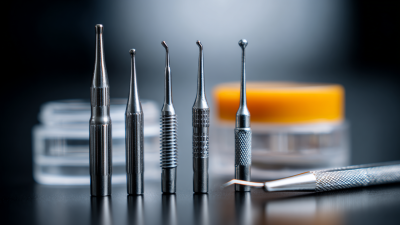
When it comes to dental implant surgeries, picking the right Implant Screwdriver is a total game-changer — honestly, you can't underestimate how important this is. I read somewhere, in the International Journal of Oral and Maxillofacial Implants, that more than 25% of implants fail because of simple mishandling during installation. And a big part of that is using the wrong tools. Using a screwdriver that's specifically designed for the type and brand of implant you're working with isn't just a nice-to-have; it's essential for getting the right torque and precision. Honestly, it helps cut down on complications and fails, saving everyone a lot of headaches.
On top of that, the Dental Tribune has been pointing out how quickly demand for dental implants is growing — with an expected increase of about 10% each year over the next five years. As more clinics jump into implantology, making sure they’re equipped with the proper Implant Screwdrivers becomes super important. When clinicians have the right tools, they can do a better job, which means happier patients and better chances of them coming back.
All in all, choosing a good-quality, properly matched Implant Screwdriver isn’t just about making the process easier — it really makes a difference in patient outcomes. As the field keeps changing and evolving, having the right gear will be key for dental practices to succeed worldwide.
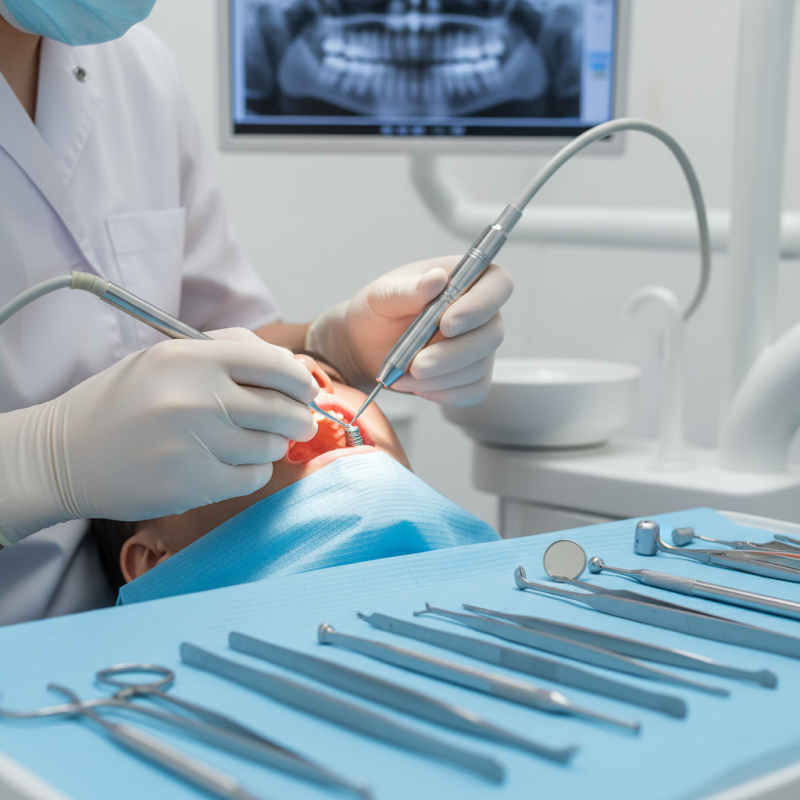
In dental procedures, the significance of Implant Screwdrivers cannot be understated. These specialized tools play a crucial role in ensuring the accurate placement of dental implants, which are essential for restoring function and aesthetics in patients. An appropriate screwdriver allows dental professionals to manipulate screws with precision, minimizing the risk of damage to the implant and surrounding tissues. This precision is particularly important given the delicate nature of oral structures, where improper handling can lead to complications and affect the long-term success of the implant.
Furthermore, Implant Screwdrivers are designed to provide optimal grip and torque control, which are vital in achieving the desired engagement of the implant screw. The right screwdriver not only enhances the efficiency of the implantation procedure but also contributes to the overall safety of the process. By reducing the chances of stripping or over-torquing the screws, dental practitioners can promote better osseointegration, ultimately leading to greaterpatient satisfaction. Thus, selecting the appropriate Implant Screwdriver is a fundamental aspect of achieving successful outcomes in dental implantology.
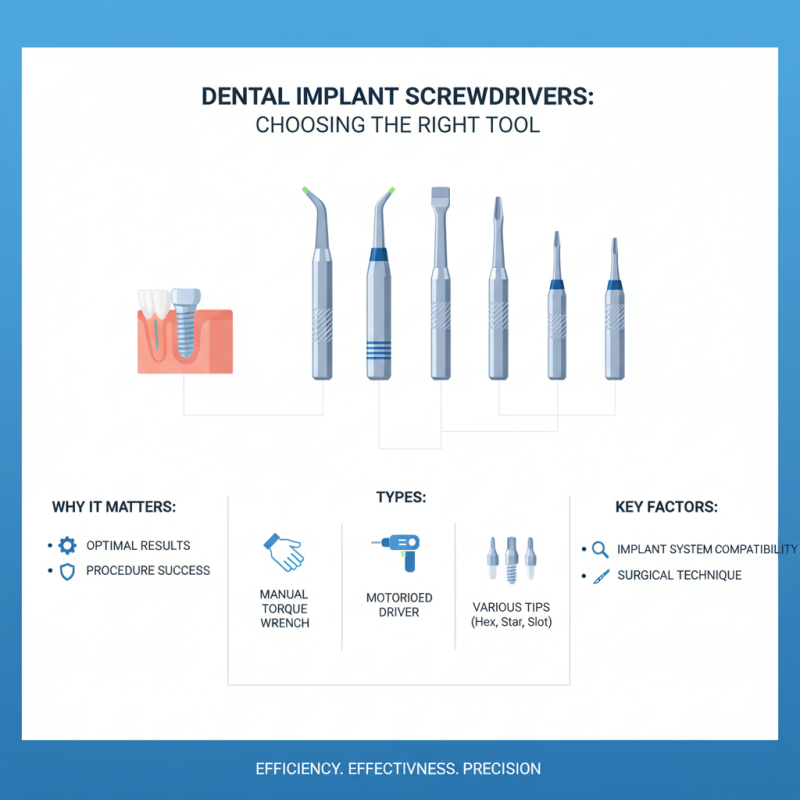
When it comes to dental implant procedures, selecting the right Implant Screwdriver is crucial for achieving optimal results. There are several types of Implant Screwdrivers available on the market, each designed to accommodate specific implant systems and the complexities of various surgical techniques. Understanding the distinctions among these tools can significantly enhance the efficiency and effectiveness of dental implantation.
One common category is the manual Implant Screwdriver, favored for its simplicity and tactile feedback, allowing the surgeon to maintain a high degree of control during the procedure. These manual drivers are often made from durable materials to withstand the rigors of repetitive use while reducing the risk of slippage. On the other hand, powered Implant Screwdrivers offer the advantage of speed and precision, particularly in complex cases where time and accuracy are paramount. These devices often come equipped with torque control settings, which minimize the risk of overtightening and ensure the integrity of the implant.
Additionally, some Implant Screwdrivers are specifically designed with interchangeable tips compatible with various implant types, offering versatility and convenience for dental practitioners. This adaptability allows clinicians to work with different implant systems efficiently, ultimately enhancing patient outcomes. By carefully evaluating the options available, dental professionals can make informed decisions about the Implant Screwdriver that best suits their practice, thereby contributing significantly to the overall success of their implant procedures.
Choosing the right Implant Screwdriver is a critical decision for dental professionals, as it directly impacts the success of implant procedures. One of the primary factors to consider is the screwdriver's compatibility with the specific implant system being used. Different systems may require unique screwdriver designs or sizes to ensure proper engagement and torque application. A mismatch can lead to inadequate seating of the implant or, worse, damage to the implant component.
Another important factor is the material and construction of the screwdriver. Durable materials that resist wear and corrosion are essential for maintaining performance over time, especially in the demanding environment of a dental practice. Additionally, ergonomics should not be overlooked; a well-designed handle can contribute to better control and comfort during procedures, allowing for improved precision and reduced hand fatigue. Proper consideration of these factors ultimately ensures a smoother surgical experience and enhances overall patient satisfaction.
Choosing the right implant screwdriver is crucial to achieving optimal implant stability in dental procedures. The screwdriver's design and compatibility with the implant system directly influence the torque applied during the insertion of the screw, which in turn affects how well the implant integrates with the bone. An inappropriate screwdriver can lead to improper torque, risking the longevity of the implant and potentially compromising the overall treatment outcome.
Tips for selecting the right screwdriver:
Using the right implant screwdriver is critical in dental implant procedures, yet many practitioners overlook common mistakes that can compromise outcomes. A report from the International Journal of Oral & Maxillofacial Implants highlights that improper screwdriver use is a leading cause of mechanical failures in implant-supported restorations. Errors can include using worn-out screwdrivers, misalignment during torque application, and incorrect screw type compatibility, which can lead to screw fracture or loosening.
One prevailing issue is the significance of torque control. Many clinicians fail to adhere to the recommended torque settings, as indicated by a study conducted by the American Academy of Implant Dentistry, which found that nearly 30% of implant failures were attributed to inadequate torque application. Additionally, using a screwdriver that is not suited for the specific implant system often results in complications that could have been avoided with proper tools.
Tips:
Proper maintenance of implant screwdrivers is crucial for ensuring their longevity and reliability in dental procedures. Regular cleaning after each use is essential to prevent the buildup of debris and blood, which can compromise the tool's functionality. A simple rinse with distilled water and gentle scrubbing with a soft brush can effectively remove any residues. It’s also advisable to inspect the screwdriver for any signs of wear or damage, as even minor imperfections can affect precision during implantation.
In addition to cleaning, proper storage plays a significant role in maintaining the integrity of implant screwdrivers. They should be stored in a designated, dry place, preferably within a protective case that shields them from moisture and dust. It is important to avoid placing heavy objects on top of the tools, as this can lead to bending or deforming the screwdriver tips.
Finally, routine sterilization processes should be adhered to, ensuring that all instruments are thoroughly disinfected before every use, thereby safeguarding patient safety and optimizing clinical outcomes.
The future of implant screwdriver technology is poised for significant advancements that will enhance dental procedures and outcomes. One key trend is the integration of smart technology into implant screwdrivers. These advanced devices can be equipped with sensors that provide real-time feedback on torque levels, ensuring optimal force application during implant placement. By harnessing data analytics, dental professionals can access historical performance metrics, allowing them to fine-tune their techniques and improve patient outcomes over time.
Another emerging trend is the development of ergonomic and user-friendly designs that prioritize comfort and efficiency. With an increasing emphasis on minimizing hand fatigue during complex procedures, manufacturers are focusing on lightweight materials and innovative grip designs. This shift not only enhances the dexterity and control during surgery but also promotes better precision in the placement of dental implants. As a result, the evolution of implant screwdriver technology is expected to play a crucial role in streamlining workflows and fostering greater consistency in dental practices.
: Implant screwdrivers are specialized tools crucial for the accurate placement of dental implants, helping to prevent damage to the implant and surrounding tissues while ensuring precision during procedures.
The right screwdriver influences the torque applied during screw insertion, which affects how well the implant integrates with the bone. Using an inappropriate screwdriver can lead to improper torque and compromise the longevity of the implant.
Important factors include ensuring the screwdriver matches the specific model of the implant, its weight and ergonomics for comfort during use, and the durability of its materials for repeated use.
Common mistakes include using worn-out screwdrivers, failing to adhere to proper torque settings, and using incompatible screw types which can lead to screw fracture or loosening.
Torque control is critical as inadequate torque application can lead to implant failures, with studies showing that nearly 30% of failures are related to improper torque settings.
Regularly check screwdrivers for wear and tear, familiarize yourself with torque specifications, and have a variety of screwdriver types available to accommodate different implant systems.
A well-balanced screwdriver can reduce fatigue during longer procedures, allowing for greater precision and control, which contributes to better outcomes in dental implant procedures.
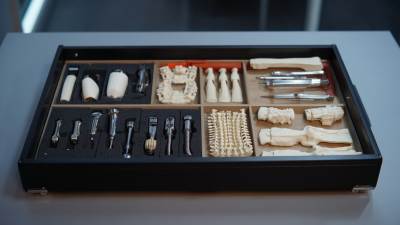
Having a well-organized toolkit with the right instruments enhances efficiency during procedures and can lead to improved patient outcomes by ensuring that all necessary tools are readily available and in good condition.
The choice of an appropriate Implant Screwdriver is crucial for the success of dental procedures. Implant screwdrivers come in various types, each designed for specific purposes, and understanding these variations is important for practitioners. Factors such as ergonomics, torque control, and material quality should be considered when selecting an Implant Screwdriver to ensure optimal performance and implantation success.
Utilizing the right screwdriver not only enhances implant stability but also reduces the risk of common mistakes associated with improper usage. Regular maintenance of the tools is essential to prolong their lifespan and effectiveness. As technology advances, future trends are anticipated to improve the functionality and ease of use of Implant Screwdrivers, ultimately contributing to better patient outcomes in the field of dentistry.