Picking out the right Dental Twist Drill can honestly feel pretty overwhelming sometimes. There are so many factors to consider, and it’s easy to get tangled up in all the options. When it comes to dental tools, quality, precision, and the type of material really do matter — not all drills are created equal in terms of performance and durability.
For dental pros, it’s crucial to think about what they actually need the tool for. Knowing the different ways a Dental Twist Drill can be used is a must — because one drill that’s perfect for cavity prep might not cut it when you're placing a crown. Each type of drill has its own specific purpose, so picking the right one really makes a difference.
And don’t forget to check out the manufacturer. Reputable brands usually give good info like detailed specs and user reviews, which can really help you judge how reliable a drill is. Sometimes, a cheaper price tag can mean lower quality, so it’s worth doing your homework. Ultimately, choosing the right Dental Twist Drill is key to making sure your treatments go smoothly. Take your time and think it through — it’s worth it!
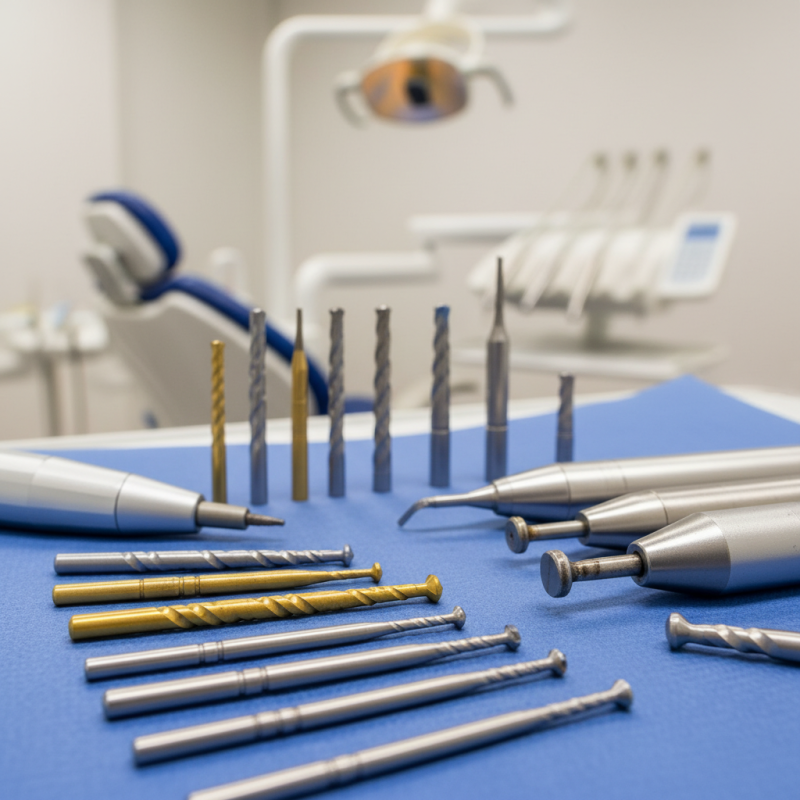
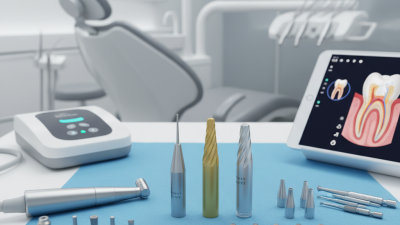
Dental Twist Drills are essential tools in modern dentistry. Understanding their types and functions can significantly influence your choice. There are various versions available, each serving a unique purpose. Some are ideal for drilling into different materials, while others are designed specifically for tooth preparation.
When selecting a Twist Drill Dental tool, consider the material you will encounter. Stainless steel is popular for its durability, while carbide drills provide precision and longevity. Pay attention to the sizes available, as this impacts the fit and effectiveness during procedures.
Tips: Always maintain your tools properly. Regular cleaning can prevent damage and ensure optimal performance. Consider obtaining drills with various diameters. This allows flexibility during procedures. Testing different types on practice models can also help you find what works best for your technique. Don’t hesitate to reflect on your choices over time. What served you once may not be the best option later.
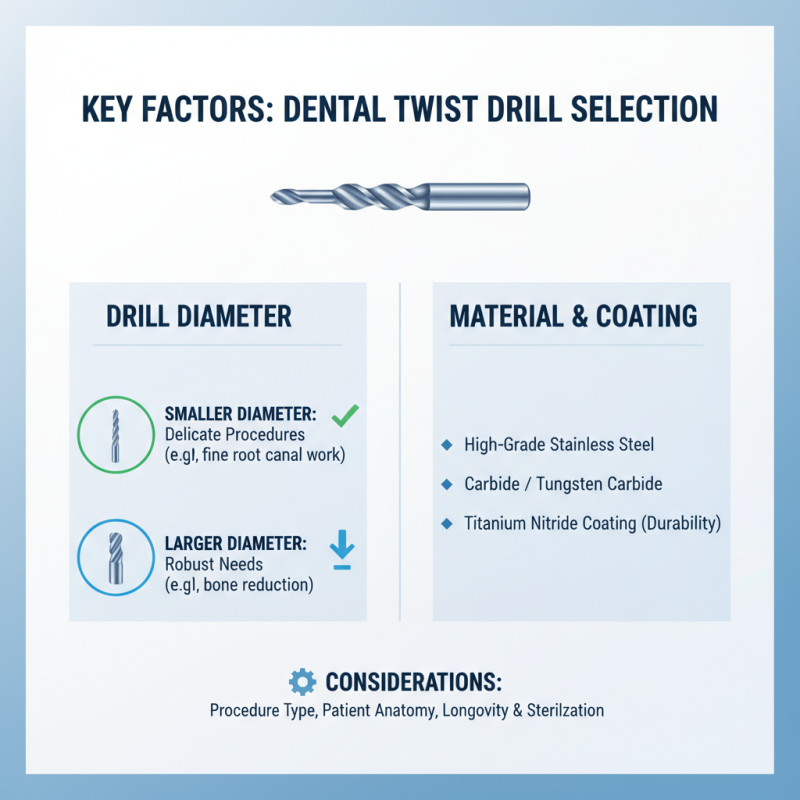
Choosing the right Dental Twist Drill is vital for dentists. Various factors influence this decision. One primary factor is the drill's diameter. A smaller diameter is often preferred for delicate procedures, while larger sizes suit more robust needs.
Another crucial aspect is the material of the drill. High-quality steel can enhance durability, but softer materials might be easier to handle. However, softer drills can wear out quickly. Don't overlook the drill's design and coating, as these affect performance. For example, a Dental Implant Pilot Twist Drill often comes with special coatings to reduce friction, which can impact precision during procedures.
It's essential to consider your specific requirements. Are you focusing on speed or precision? Reflect on past experiences. Perhaps you had difficulties with a particular type of drill. This can guide your choice, ensuring you select tools that enhance patient care while fitting your skill level. Balancing cost and quality is also a challenge. Higher prices don’t always guarantee better performance, making research indispensable. Opt for trusted suppliers that provide reliable information and customer support.
Choosing the right material for a Dental Twist Drill is crucial. The correct material affects the drill's performance and lifespan. Stainless steel is commonly used due to its balance of strength and corrosion resistance. However, it may dull quickly with extensive use.
Another option is tungsten carbide. This material is harder and maintains a sharper edge longer than stainless steel. Dentists often appreciate its ability to handle tough materials.
Nevertheless, tungsten carbide can be more brittle, which poses a risk of breakage during usage.
When selecting a Dental Twist Drill, consider your specific needs. What type of procedures do you perform most often?Do you favor durability or sharpness? Reflecting on your experiences can guide your choice. Each material has its strengths and limitations, and understanding these can lead to better dental outcomes.
When selecting a dental twist drill, size and dimensions are critical. The diameter of the drill bit often determines its usability in various dental procedures. A recent industry report highlights that a 2.0 mm diameter drill is commonly used for dental implants, providing optimal precision for mini-implants. In contrast, larger sizes like a 3.5 mm diameter drill may be preferred for traditional implants.
Another important factor is the drill’s length. Many dentists recommend drills between 16 mm and 30 mm for different applications. This range accommodates diverse clinical needs, from endodontic procedures to oral surgeries. Using a drill that is too short can lead to incomplete procedures, while a drill that is too long may risk patient safety.
Experience plays a vital role in choosing the right drill. Dentists often reflect on past cases where incorrect sizes led to complications. For instance, using a 1.5 mm drill when a 2.5 mm was appropriate could compromise the integrity of the procedure. Data from dental associations reveal that approximately 25% of procedural failures relate to inadequate equipment selection, emphasizing the need for careful consideration in choosing dental twist drills.
When evaluating drill performance for Dental Implant Twist Drills, speed is a critical factor. Faster drilling can enhance procedure efficiency. However, higher speeds can generate heat, affecting precision. Balancing speed and accuracy is essential. A drill that spins too quickly may cause bone overheating, which can lead to complications. Therefore, considering the optimal speed based on specific procedures is important.
Precision is another crucial aspect. A well-designed drill should maintain consistent diameter and sharpness. This precision ensures clean, accurate holes for implants. Any variation can compromise the implant placement. Thus, high-quality material and craftsmanship are necessary components of reliable dental twist drills.
Durability should not be overlooked. A drill that wears out quickly may lead to increased costs and time. Frequent replacements disrupt workflow and can affect patient care. It's wise to choose drills that can withstand repeated use without losing effectiveness. Regular evaluation of drill performance helps identify any inadequacies and influence purchasing decisions. Always aim for a drill that aligns with procedure requirements and enhances overall treatment quality.
| Drill Type | Speed (RPM) | Precision (mm) | Durability (Cycles) | Recommended Use |
|---|---|---|---|---|
| Standard Twist Drill | 1500 | 0.5 | 1000 | General use in restorative dentistry |
| High-Speed Twist Drill | 3000 | 0.3 | 800 | Crown and bridge preparation |
| Diamond Coated Drill | 2500 | 0.2 | 600 | Enamel reduction and precise cutting |
| Carbide Twist Drill | 2000 | 0.4 | 1200 | Preparation of tough materials |
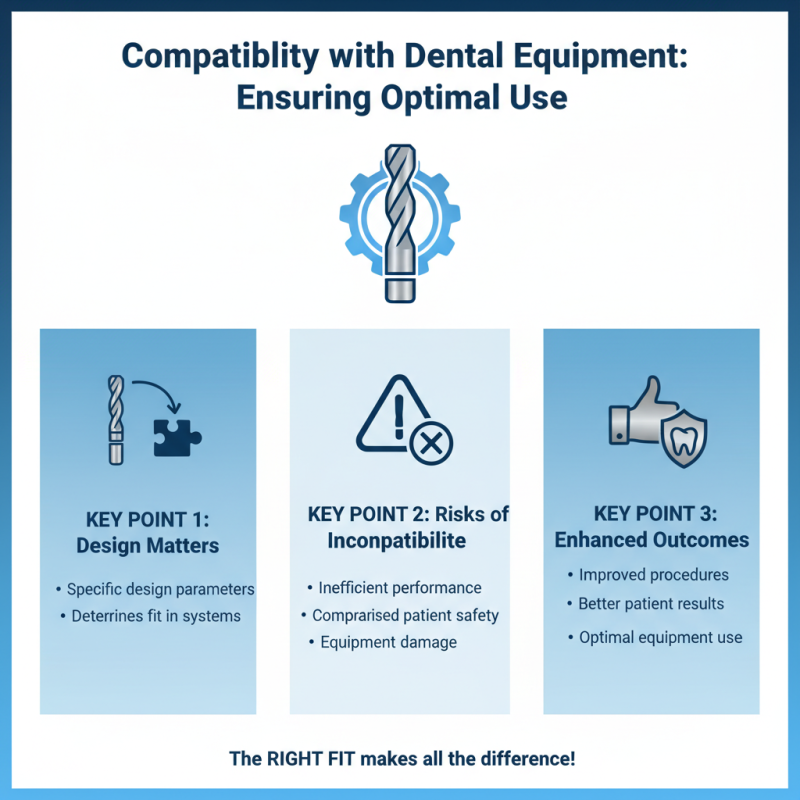
When selecting a dental twist drill, compatibility with your existing dental equipment is critical. Each drill has specific design parameters that determine its fit in various systems. If a drill is not compatible, it may lead to inefficient performance and compromised patient safety. The right fit can enhance procedures and improve outcomes.
Understanding the specifications of your dental handpieces is essential. For instance, different drills may require varied RPMs and torque settings. Using an incompatible drill can result in overheating or insufficient cutting efficiency. This can frustrate dental practitioners and may lead to suboptimal care.
Moreover, it is crucial to consider the materials used in the drill. High-quality materials can provide durability and precision. However, they may not work with all types of equipment. Researching compatibility is wise. Often, practitioners overlook this step. Remember, what works for one practice may not suit another. Evaluate your needs carefully to ensure optimal use.
Proper maintenance of dental twist drills is essential for longevity and consistent performance. Studies indicate that poorly maintained drills can lead to increased wear and tear, ultimately reducing their effectiveness. The lifespan of a twist drill can be enhanced by routine cleaning after each use. Debris accumulation can lead to complications during procedures, making it crucial to keep these tools free of contaminants. Regular inspection for signs of wear is equally important, as even minor damage can affect precision.
Using the appropriate storage method also contributes to drill longevity. A protective case mitigates the risk of physical damage, while moisture control prevents rust. Data from industry reports shows that drills stored in humid conditions can lose their efficiency 30% faster than those kept dry. Additionally, understanding the specifications of your Twist Drill Taper Shank is vital. Not every drill is suited for every application. Choosing the right size and type reduces unnecessary stress on the tool, thus prolonging its life.
Regular sharpening should not be overlooked either. A dull drill can cause excessive friction and heat, which might compromise its integrity. Some professionals report that maintaining sharpness can improve precision by up to 25%. However, over-sharpening can lead to unbalanced tools, which may require replacement sooner than anticipated. Balancing these maintenance tasks can seem overwhelming, but addressing each needs thoughtful consideration.
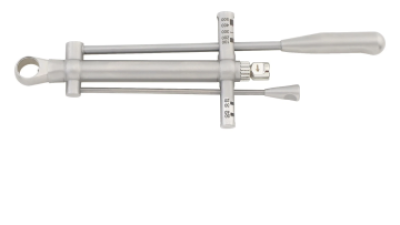
The removal of dental implants is a critical procedure that requires precision and specialized tools to enhance patient safety and efficiency. According to a 2023 analysis on dental implant removals, the need for specialized removal kits has been underscored by the increasing number of cases involving failing or misplaced implants. Incidents of implant failures can occur in as many as 5-15% of cases, leading to the necessity for minimally invasive solutions that can effectively address these challenges without causing excessive bone loss.
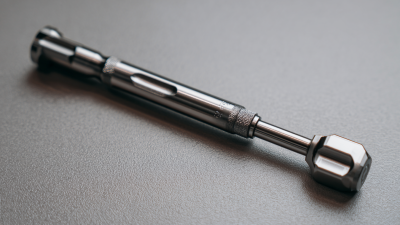
In light of these concerns, the Implant Removal Tool has emerged as a significant advancement in the field. Designed to facilitate the removal of implants with minimal trauma, it operates in just three simple steps. Its capability to generate a removal torque of up to 400Ncm means that dental professionals can execute the procedure confidently, ensuring that the implants are taken out securely and efficiently. This tool not only improves the success rate of the removal process but also reduces the recovery time for patients, thereby enhancing the overall patient experience.
The integration of such specialized tools in dental practices reflects a growing trend towards better patient outcomes and streamlined procedures. As the industry acknowledges the importance of tailored solutions for complex dental issues, the adoption of advanced dental implant removal kits can serve to increase efficiency within dental practices and significantly enhance patient safety. This underscores the ongoing evolution in dental implantology, where precision tools are becoming not just beneficial, but essential in addressing patient needs effectively.
: Speed enhances procedure efficiency. However, too much speed can cause overheating.
High-speed drilling can lead to complications like bone overheating and reduced precision.
Consistent diameter, sharpness, and high-quality materials ensure accurate holes for implants.
A drill that wears out quickly increases replacement costs and disrupts workflow.
Incompatible drills can lead to inefficient performance and compromise patient safety.
Different drills may require different RPMs and torque settings, impacting cutting efficiency.
High-quality materials enhance durability, but they may not be compatible with all equipment.
Often, they overlook compatibility research, which is essential for optimal use.
It helps identify inadequacies and ensures alignment with procedure requirements.
Overheating and decreased precision could compromise implant placement quality.
Choosing the right Dental Twist Drill is crucial for achieving optimal results in dental procedures. Understanding the various types and functions of these drills will help practitioners select the most suitable option for their specific needs. Key factors such as material, size, and dimensions play a critical role in determining performance, including speed, precision, and durability.
Additionally, compatibility with existing dental equipment ensures effective use during operations. Regular maintenance of Dental Twist Drills is essential for increasing their longevity and reliability, thus enhancing overall dental practice efficiency. By carefully considering these elements, dental professionals can make informed decisions that significantly improve patient care.