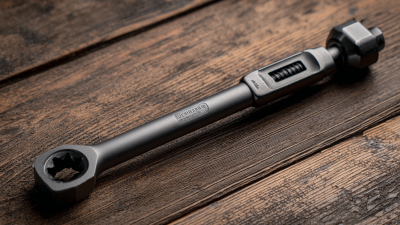
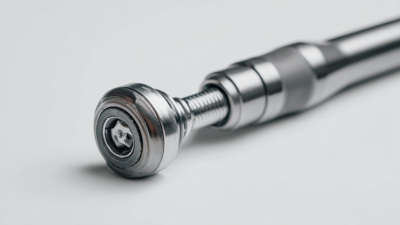
When you're choosing a torque wrench for dental implants, accuracy really matters. Dr. James Carter, a well-known specialist at Dental Innovations Inc., often says, 'Using the right torque wrench is key to making sure the implant integrates properly.' See, this tool isn’t just any old instrument; it can seriously impact how well the whole procedure goes and how the patient ends up healing.
Picking the perfect torque wrench can actually be pretty tricky for dental pros. There are tons of options out there, each with their own features. Things like the torque range, how easy it is to handle, and how well it’s calibrated really make a difference. If you accidentally grab the wrong one, it could lead to complications and cause problems down the line. That’s why it’s so important to really understand what’s out there.
Focusing on quality and reliability should be top priorities. Sure, a universal wrench for dental implants might seem like a good deal at first, but you gotta ask yourself if it’s actually suited to your specific needs. Looking back at past experiences with different tools can give you some handy insights and help you avoid common blunders. Making the right choice here can make a big difference in patient outcomes and the overall success of the procedure.
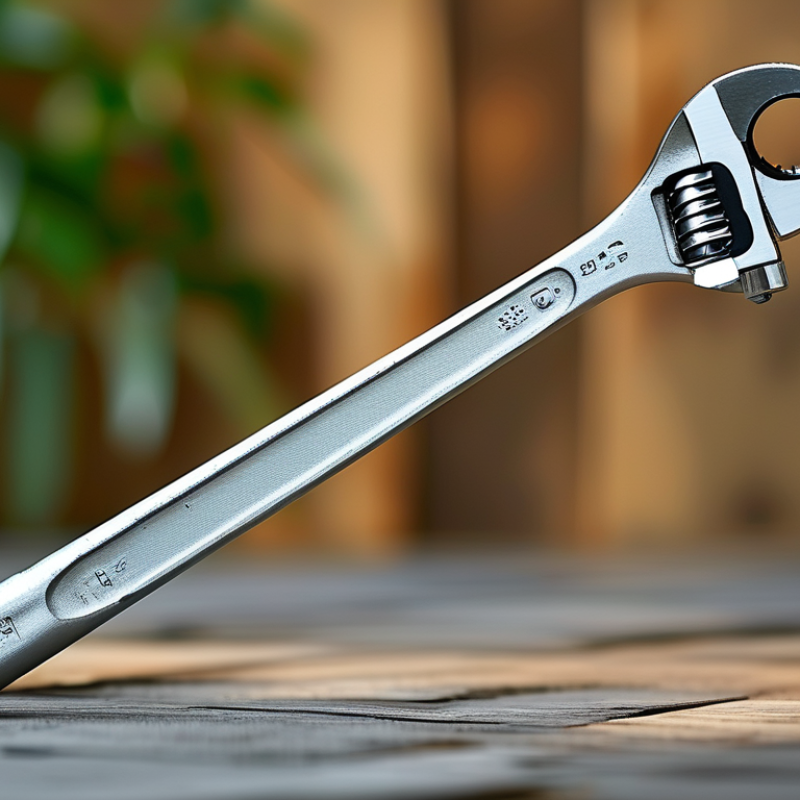
Factors to Consider When Selecting a Torque Wrench for Dental Implants
When selecting a torque wrench for dental implants, several key factors should be considered. Torque accuracy is critical. Studies show that inaccurate torque can lead to implant failure. Ideally, the wrench should have a torque accuracy within ± 5%. This ensures that you are applying the correct force to achieve optimal integration.
Another important aspect is the range of torque settings. Most dental implants require precise torque between 20 to 50 Ncm. A suitable wrench should comfortably operate within this range, providing flexibility for various implant systems. Consistency in usage leads to improved outcomes, as noted in a recent survey indicating that 78% of dentists prefer tools allowing for precise adjustments.
The type of torque wrench also matters. Manual, electronic, and digital options each offer their benefits. Digital wrenches provide easy reading and often include alarms for set limits. However, they can sometimes malfunction, which may cause delays in procedures. Technicians and dentists need to be aware of their tools and perform regular calibrations to maintain reliability. Balancing ease of use with accuracy presents a challenge that requires careful thought and experience in the field.
Factors Influencing the Selection of Torque Wrenches for Dental Implants
Understanding Different Types of Torque Wrenches Available
Choosing the right torque wrench is crucial for dental implant procedures. Understanding the different types of torque wrenches can help ensure precision and reliability. The most common types include click-type, beam-type, and electronic torque wrenches. Each type has its unique features and applications.
Click-type torque wrenches provide an audible click when the desired torque is reached. They are user-friendly and accurate, making them suitable for dental implants.
Beam-type wrenches use a simple scale to show torque levels. Though less common now, they offer a direct way to visualize torque application.
Electronic torque wrenches, on the other hand, give digital readings and are known for their precision. However, they can be more complex and may require calibration.
Selecting the best tool for your dental practice involves considering your specific needs. Think about whether you prefer manual control or digital options. Reflect on the frequency of use and maintenance requirements for each type. It’s essential to weigh the benefits and downsides. Keep in mind that even experienced practitioners occasionally face challenges with torque calibration and application consistency. Each choice carries its own set of advantages and pitfalls that warrant careful consideration.
Key Features to Look for in a Dental Implant Torque Wrench
When selecting a torque wrench for dental implants, focus on precision and reliability. The best wrenches offer a clear torque range. Look for adjustable settings to accommodate different implant types. This ensures optimal performance during procedures. A well-calibrated wrench is essential for achieving desired outcomes.
Understanding the calibration process is vital. Regular calibration checks guarantee consistent torque application. Wrenches that feature a dual scale are beneficial for international practices. They simplify measurements by displaying both metric and imperial units.
Consider the grip and weight of the wrench. Lightweight models provide easier handling during procedures. A comfortable grip reduces hand fatigue. This is especially useful during longer surgeries.
Tips: Always keep backup tools on hand. Practice with your selected wrench before real procedures. Familiarization reduces errors and builds confidence. Check for compatible accessories, like a countersink drill for dental implants. This expands the utility of your gear, enhancing procedural efficiency. Stay informed about advancements in technology. Upgrades can make a significant difference in your practice.
How to Choose the Best Torque Wrench for Dental Implants? - Key Features to Look for in a Dental Implant Torque Wrench
| Feature | Description | Importance |
| Torque Range | Must accommodate the typical torque needed for dental implants (e.g., 20-50 Ncm). | Critical for ensuring proper attachment without damaging the implant. |
| Calibration | Should be regularly calibrated for accuracy. | Essential for reliable performance and to maintain implant integrity. |
| Readability | Easy-to-read dial or digital display. | Helps ensure precise torque application. |
| Ergonomics | Design should be comfortable to hold and use. | Aids in reducing fatigue during procedures. |
| Durability | Constructed from high-quality materials. | Ensures longevity and reliability in clinical settings. |
| Size and Weight | Compact and lightweight for ease of use. | Facilitates easier maneuvering in tight spaces. |
Importance of Accuracy and Calibration in Torque Wrenches
When selecting a torque wrench for dental implants, accuracy is essential. The implant's success hinges on the precision of the torque applied. An accurate torque wrench helps achieve the optimal preload, ensuring the implant integrates well into the bone. Calibration plays a critical role. A poorly calibrated wrench can lead to under-tightening or over-tightening. Both can compromise the longevity of the dental implant.
Consider these tips. Regularly calibrate your torque wrench to maintain accuracy. A calibration schedule can prevent drift over time. Additionally, monitor your torque application technique. The way the wrench is used can impact the results. Practice on non-critical components to ensure proficiency. This encourages reflection on your technique.
Understand the importance of reading the manufacturer's specifications for torque values. Misinterpretation can lead to complications. In some cases, patients may wonder, "Can Dental Implants Be Removed?" Ensuring proper torque application reduces the risk of future issues. Always strive for accuracy and consistent calibration to support the best outcomes.
How to Properly Use a Torque Wrench for Dental Implants
Using a torque wrench correctly is crucial for the success of dental implants. Studies indicate that the proper torque level varies between 30 to 40 Newton-centimeters (Ncm) depending on the implant type. Too much torque risks damaging the surrounding bone. Conversely, insufficient torque can lead to implant failure, causing the need for costly removal of dental implants. Precision in application is vital for maintaining bone integrity.
When applying torque, ensure the wrench is calibrated correctly. A recent report highlights that nearly 20% of dentists do not regularly calibrate their tools, leading to oversights. Familiarize yourself with the wrench's grip. A steady hand and proper stance minimize errors during application. Maintaining focus is essential, as distractions can lead to incorrect torque readings, ultimately affecting the implant's success.
Regular training on proper usage can enhance skills. A survey found that 68% of dental professionals feel not fully confident using torque wrenches. Practicing with different settings in a controlled environment can improve familiarity. It is essential to note that even experienced practitioners must remain vigilant. Small errors can lead to significant consequences, highlighting the necessity for ongoing education in dental implant procedures.
Maintaining and Caring for Your Torque Wrench
Caring for your torque wrench is crucial for maintaining its accuracy and performance. Regular cleaning is essential. After each use, wipe down the surface and check for any debris. Corrosion can affect function, so store it in a dry, cool place. A well-maintained tool can ensure consistent torque, which is vital in dental procedures.
Calibration should not be overlooked. Even a minor miscalibration can lead to issues during an implant procedure. Schedule periodic checks based on usage frequency. If it feels off, it’s worth taking it to a professional for assessment. A torque wrench that is out of spec can damage both the tool and the patient’s trust in your work.
Lastly, consider the type of cases you face. Some wrenches may show wear sooner due to frequent use. Reflect on how often you rely on this tool. Over time, you may realize that your choice impacts your daily practice. Understanding these details will enhance your effectiveness.
Cost Considerations for Dental Implant Torque Wrenches
When choosing a torque wrench for dental implants, cost considerations are critical. Dental professionals need quality tools but must also navigate budget constraints. High-quality torque wrenches can range from $100 to $600 or more. Often, more expensive models offer precise torque settings that are crucial for successful implant placement.
It’s important to balance cost with reliability. A study published in the Journal of Oral Implantology indicates that a reliable torque wrench significantly reduces implant failures. Entry-level models may lack the precision of higher-end options, leading to potential complications. For example, improper torque can cause issues when using conical drills for cylindro tapered implants. This can escalate costs due to complications or reworks.
Training and expertise are essential when it comes to using these tools. While lower-cost wrenches may initially seem attractive, they might require more frequent replacements. Investing in a quality torque wrench reflects a long-term strategy, minimizing risks and potential costs associated with implant failures. The decision ultimately hinges on the specific needs of the practice and the anticipated volume of procedures.
FAQS
: The most common types are click-type, beam-type, and electronic torque wrenches.
It provides an audible click when the desired torque is reached, ensuring user-friendly accuracy.
Consider your specific needs, preferences for manual or digital control, and maintenance requirements.
Calibration ensures accuracy. A poorly calibrated wrench can lead to under-tightening or over-tightening, affecting the implant's longevity.
Regularly clean it after use, check for debris, and store it in a dry, cool place to prevent corrosion.
The way the wrench is used significantly affects results. Practice on non-critical components to improve technique.
Calibration should be scheduled based on usage frequency to maintain accuracy and performance.
Misinterpretation can lead to complications, potentially risking patient safety and trust.
Yes, they provide digital readings and require calibration, but they offer precision for dental procedures.
Yes, certain wrenches may show wear faster with frequent use. Reflect on your daily practice needs.
Conclusion
When selecting a torque wrench for dental implants, it’s crucial to consider several factors, including the type of wrench, its accuracy, and calibration. Understanding the various types of torque wrenches available can help dental professionals choose the right tool for their specific needs. Key features to look for include ease of use and durability, which are essential for ensuring optimal performance during implant procedures.
Proper usage and maintenance of the torque wrench for dental implants are vital for achieving accurate torque applications and prolonging the tool’s lifespan. Regular calibration ensures that the wrench provides precise readings, which is critical in dental surgeries. Additionally, cost considerations should be taken into account, as investing in a reliable torque wrench can significantly impact the quality of dental care provided.