Leave Your Message
0%

Choosing the right Dental Implant Wrench isn’t just about comparing prices or looking at shiny product photos. There’s a bit more to it — like making sure it actually matches the implant system, fits the driver connection, and can handle the right amount of torque. Plus, features like clear markings, a stable grip, and good access in those tight spots at the back of the mouth really matter.

Dr. Carl E. Misch, a well-respected educator in implant dentistry, once said, “The quality of treatment depends on the diagnosis and planning, not just the implant.” That same idea applies when choosing your tools. A Dental Implant Wrench won’t fix bad planning, but having the right one definitely helps in placing implants more consistently and accurately. Small difference, but it counts.

Take a good look at calibration. Is the torque scale easy to read under those bright operating lights? Does it stay accurate after multiple sterilizations? Can you clean the head of the wrench without missing any debris? These tiny details actually come into play, especially during complex procedures.

Of course, fit is key. Going for a universal wrench might seem like a good idea, but compatibility can get tricky. Some systems need specific driver profiles or particular torque directions. Always double-check what the manufacturer recommends before you buy. And don’t forget to verify if the tool can be autoclaved and whether calibration services are available when needed.

Ergonomics can often be overlooked. A handle that feels comfy for five minutes might give you hand fatigue during longer procedures — so it pays to pay attention. Sometimes, product features are a little overhyped, so it’s worth testing or reading reviews.

This guide digs into everything — from torque accuracy and material quality to compatibility, maintenance, and how easy the tool is to handle in real clinical situations. It also points out some common mistakes people make when buying. No tool is perfect, but the goal is to find one that fits your implant system, workflow, and practice’s quality standards. That’s what really makes the difference.
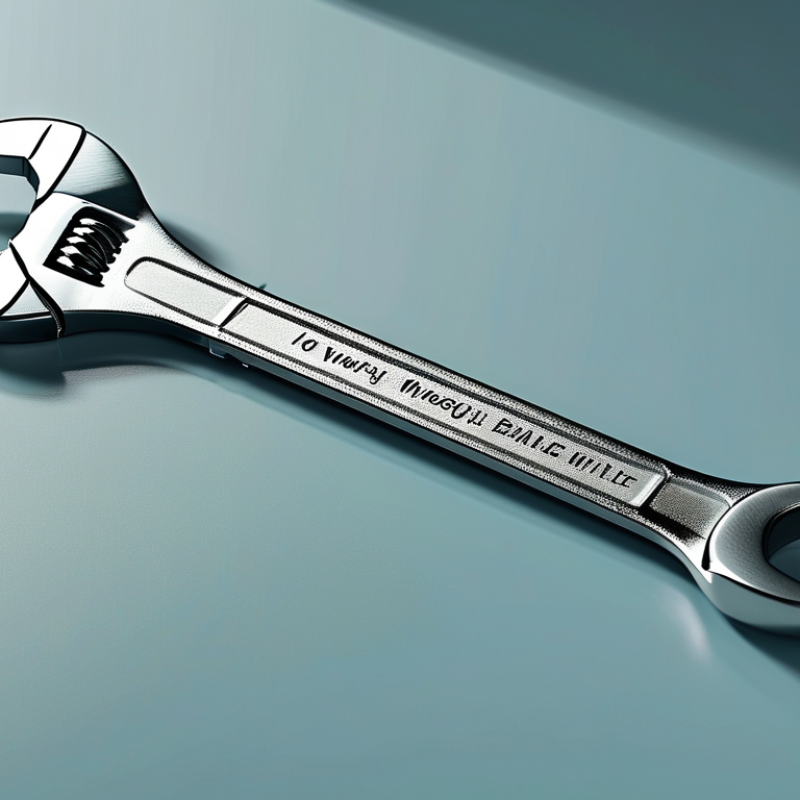
How to Choose the Best Dental Implant Wrench?

What Is a Dental Implant Wrench and Why Does It Matter?

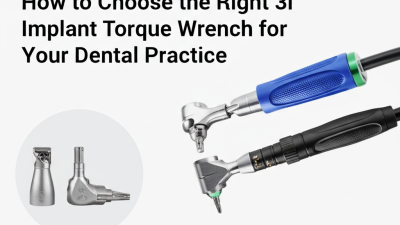
A Dental Implant Wrench is a hand instrument used to tighten or loosen implant components. It transfers controlled force to screws, abutments, and prosthetic parts. TheDental Implant Torque Wrench adds a calibrated torque value to this process. That value helps clinicians follow the manufacturer’s recommended tightening level accurately.

Why does this matter? Too little torque may allow micro-movement, loosening, or bacterial leakage around the connection. Too much torque can damage screw threads, deform components, or complicate future maintenance. Fit matters. The wrench must match the implant system and driver shape precisely. A loose connection can cause slipping, even when the clinician applies careful pressure.

A reliable wrench should offer clear torque settings, smooth movement, and a readable scale. Calibration records also deserve attention, because repeated sterilization and heavy use may affect accuracy. Always inspect the driver tip for wear before treatment. Clean, dry instruments reduce contamination risks and protect the mechanism. Small errors matter. I have found that busy clinical routines can make this step feel automatic, but that habit needs review. A brief pause to confirm the setting, driver engagement, and screw condition can prevent avoidable complications. The best choice is not simply the most expensive instrument. It is the one that provides consistent control, fits the components correctly, and supports careful clinical judgment.

How Dental Implant Wrenches Differ by Design and Function

How to Choose the Best Dental Implant Wrench?

Dental Implant Wrenches differ by design and function. Manual wrenches provide tactile feedback during seating and removal. Torque-controlled wrenches apply a preset force, reducing guesswork near the final tightening stage. Ratchet heads improve access around posterior implants. Interchangeable drivers support different connection geometries. However, compatibility must be verified, not assumed.

ISO 6789-2:2017 treats torque tools as measurement instruments. It emphasizes calibration, measurement uncertainty, and traceability. The ITI Consensus Report on implant maintenance also identifies screw loosening and component fracture as important technical complications. A suitable wrench should therefore offer a clear torque range, readable markings, and repeatable release. A perfect wrench does not exist. Operator angle, lubrication, sterilization cycles, and fatigue can still affect results.

Tips: Match the driver to the implant connection and restoration type. Select a range that places your target torque near the middle, rather than the limit. Ask for calibration records and inspect the head for wear. A digital display may improve documentation, but it can distract during a busy procedure. Manual models feel simpler, yet their readings may be easier to misjudge. Review the manufacturer’s instructions and your clinic’s maintenance log before clinical use.

Which Wrench Type Fits Your Implant System?

Choosing the best Dental Implant Wrench starts with one question: which wrench type fits your implant system? Implant connections vary, so a familiar-looking driver may still be wrong. Check the restorative manual, implant diameter, and connection geometry before opening the sterile tray.

An internal hex, external hex, and star-shaped interface require different driver tips. Fit should feel firm, not forced. That detail matters.

A manual ratchet wrench suits many routine procedures because it provides direct tactile feedback. A preset torque wrench helps deliver a specified value, while a digital model displays the reading clearly.

For a Torque Dental Implant Torque Wrench, confirm its torque range, tip dimensions, and calibration status. Do not select by appearance alone. The wrench must match the screw head and recommended prosthetic component.

A loose tip can round the screw. Too much force can damage components or bone. Small errors matter.

In my clinical review process, I test engagement outside the mouth first. The driver should seat completely, without rocking, and the ratchet should move smoothly.

I also inspect sterilization instructions, because repeated heat cycles can affect instruments and markings. Calibration records provide stronger evidence than a confident sales description.

I have sometimes underestimated how quickly a worn tip changes the feel. That experience remains a useful reminder to replace questionable parts.

If the system manual is unclear, pause and verify with the manufacturer or a qualified dental professional. Guessing is not efficiency.

How to Choose the Correct Torque Range and Accuracy

How to Choose the Best Dental Implant Wrench?

Torque range and accuracy should guide your choice more than appearance. Select a wrench that covers the values used in your implant procedures, not the widest range available. A tool rated from 10 to 80 Ncm may seem versatile, but it can be less precise at its extremes. A narrower working range often provides better control. Check the scale closely. Small markings should remain readable under strong operatory lighting.

Accuracy matters at the moment of tightening. Look for documented accuracy, repeatability, and a calibration certificate with traceable testing. A reliable wrench should deliver similar torque after repeated cycles. That consistency protects the screw joint from under-tightening and excessive preload. I have seen how a slightly confusing scale can invite mistakes. The operator may stop at the wrong mark. Simple design helps.

A Multi Setting Dental Implant Torque Wrench can support different clinical steps when each setting is clearly marked and securely locked. Test the adjustment before use. The handle should not shift during rotation. Follow the implant system’s recommended torque values and inspect the instrument according to its instructions. Do not assume a new wrench is perfectly calibrated forever. Accuracy can change after drops, heavy use, or poor cleaning. That detail is easy to overlook. Calibration intervals should match usage, risk, and local clinical procedures. A practical choice is accurate, readable, and easy to verify.

What Materials and Ergonomic Features Should You Consider?

Choosing the best dental implant wrench requires more than comparing prices or polished surfaces. Material selection affects strength, hygiene, weight, and service life. Surgical-grade stainless steel offers reliable torque resistance and tolerates repeated sterilization when handled correctly. Titanium feels lighter and resists corrosion, but it may show wear sooner under demanding use. Check the instrument’s surface carefully. Rough edges can trap debris and make cleaning less dependable.

Ergonomics matter during small, precise movements. A handle with a textured, rounded grip can reduce slipping when gloves become damp. It should fit comfortably without forcing the wrist into an awkward angle. Clear torque markings help clinicians apply controlled pressure instead of relying only on hand feel. A ratchet mechanism should move smoothly, with enough tactile feedback to signal engagement. Too much looseness is a warning.

Look for a Dental Implant Guiding Wrench that matches the implant system and the required torque range. Compatibility should be verified through technical documentation, not appearance alone. In practice, I would inspect the driver connection, locking parts, and calibration status before use. Small wear may be easy to overlook. It should not be. A wrench can feel comfortable yet perform inconsistently after repeated sterilization cycles. This is where judgment becomes less certain, and routine inspection deserves more attention than convenience.

How to Verify Compatibility, Safety, and Clinical Reliability

Choosing a dental implant wrench starts with compatibility, not appearance. Confirm the implant connection, driver geometry, and required torque range. Check the restorative and surgical components separately. A wrench that fits loosely can damage internal threads or distort the screw head. Review the device’s instructions for use, sterilization limits, and approved accessories. Do not rely on visual similarity. It is not enough.

Safety depends on controlled torque. Calibration records should show the last inspection date and acceptable error range. ISO 14971:2019 recommends managing risks across a medical device’s complete life cycle. That principle applies to torque tools, especially when repeated sterilization may affect performance. A 2019 systematic review in Clinical Oral Implants Research reported approximately 94.6% implant survival after ten years. That result reflects many variables, including surgical planning, prosthetic fit, hygiene, and maintenance. The wrench is only one part, but a critical one. Small torque errors can create larger biological or mechanical problems.

Tips: Match the wrench to the exact connection design. Test its torque against a calibrated reference when possible. Inspect the driver tip under bright light. Replace worn edges or damaged springs. Follow validated cleaning instructions, and record each maintenance check. A clinical consensus report from the International Team for Implantology supports controlled insertion and restorative torque procedures. Still, published evidence does not remove clinical judgment. Dentists should pause when resistance feels unusual, because “tight enough” is not a measurement.

Atraumatic Implant Extraction: The Role of Fixture Removal Trephine Drills in Predictable Procedures

Atraumatic implant extraction is increasingly important when an implant must be removed because of peri-implantitis, fracture, malposition, or loss of osseointegration. Recent systematic reviews and international consensus reports indicate that long-term implant survival commonly exceeds 90% over 10 years, while biological complications remain a significant clinical concern. In these cases, preserving buccal bone and soft-tissue architecture can simplify future regeneration and replacement procedures.

Fixture removal trephine drills are engineered to support predictable extraction by cutting around the implant rather than applying excessive rotational or levering forces to the surrounding bone. A sharp trephine tip and internal clearing space help remove the fixture efficiently, while compatibility with guided extraction protocols can improve alignment and procedural control. Available individually or in an extraction kit, these instruments can be adapted to different implant dimensions and clinical workflows.

Custom bone harvesting tools can also be manufactured according to CAD files, 3D drawings, or physical samples. Tooth profile, flute size, cutting-edge angle, depth, structure, and sharpness may be customized for specific harvesting requirements. Ultra anti-rust, high-wear-resistant stainless steel is available at approximately 54±2 HRC, alongside standard stainless-steel options ranging from 45–64 HRC. OEM production and private labeling are supported for customized surgical instrument programs.

FAQS

: What is a dental implant wrench?

: It is a hand instrument for tightening or loosening implant screws and prosthetic components. It transfers controlled force.

Why is controlled torque important?

Too little torque may cause movement, loosening, or leakage around the connection. Too much torque can damage threads or deform components.

How can I check wrench compatibility?

Confirm the exact implant connection, driver shape, and required torque range. Visual similarity is not enough.

What happens when the driver fits loosely?

The wrench may slip and damage the screw head or internal threads. Even careful pressure cannot fix a poor fit.

Which features support reliable clinical use?

Look for clear settings, smooth movement, and a readable scale. A small, visible scale helps during a busy appointment.

How often should the wrench be checked?

Review calibration records and note the latest inspection date. Heavy use and repeated sterilization may affect accuracy.

What should be inspected before treatment?

Check the driver tip under bright light for worn edges or cracks. Also inspect the spring and screw condition.

How should the instrument be maintained?

Follow validated cleaning and sterilization instructions. Keep the instrument clean and dry. Record maintenance checks.

What should clinicians do when resistance feels unusual?

Pause and reassess the connection, driver engagement, and torque setting. “Tight enough” is not a measurement.

Is the most expensive wrench always the best choice?

No. Consistent control, correct fit, calibration, and careful judgment matter more. I may still overlook a small detail.

Conclusion

Choosing the right Dental Implant Wrench is essential for achieving controlled, consistent, and safe implant placement. This specialized instrument applies precise torque to implant components, helping reduce the risk of under-tightening, over-tightening, component damage, or instability. Wrenches differ in design, drive connection, head style, operating method, and intended clinical use, so the correct choice should match the implant system and prosthetic components being used.

When selecting a Dental Implant Wrench, verify its compatible connection, torque range, measurement accuracy, and adjustment method. Consider durable, corrosion-resistant materials, clear markings, comfortable ergonomics, and easy cleaning or sterilization. It is also important to confirm that the instrument has reliable calibration, secure component engagement, and documented safety or quality testing. A carefully selected wrench supports predictable torque application, efficient clinical procedures, and long-term reliability while helping the dental professional work with greater confidence and control.
Lily

Lily

Lily is a seasoned marketing professional at Gosmile Medical Technology, a high-tech factory based in Dongguan since 2017. With an acute understanding of the dental and medical device industry, she plays a pivotal role in showcasing the company's commitment to excellence. Gosmile is ISO-certified......
Previous Top 5 Tips for Using an Implant Torque Wrench Effectively?