When you're choosing a torque wrench for dental implants, precision really matters. Dr. James Carter from DentalTech Innovations puts it simply: “A good torque wrench is key to making sure the implant stays stable and lasts a long time.” That pretty much sums up why using the right tools in dental surgery is so important.
Honestly, a lot of clinicians tend to overlook how crucial it is to use a specialized torque wrench for dental implants. But trust me, picking the right one can make a real difference in how well the treatment turns out. The Universal Torque Wrench for Dental Implants is a popular choice because it’s versatile and reliable. Plus, its design works with different implant systems, which really helps speed things up in the operating room.
That said, choosing the right torque wrench isn’t always as simple as it seems. Many dentists and surgeons forget to consider factors like the torque range, calibration, or how easy the tool is to handle. Some might even assume all torque wrenches are pretty much the same—which, spoiler alert, they’re not. Buying the wrong one or not considering these key details can lead to less-than-great results and even leave patients feeling less satisfied. So yeah, taking the time to pick the right torque wrench is super important if you want to do your best work and keep your patients happy.
Understanding the Importance of Torque Wrenches in Dental Implants
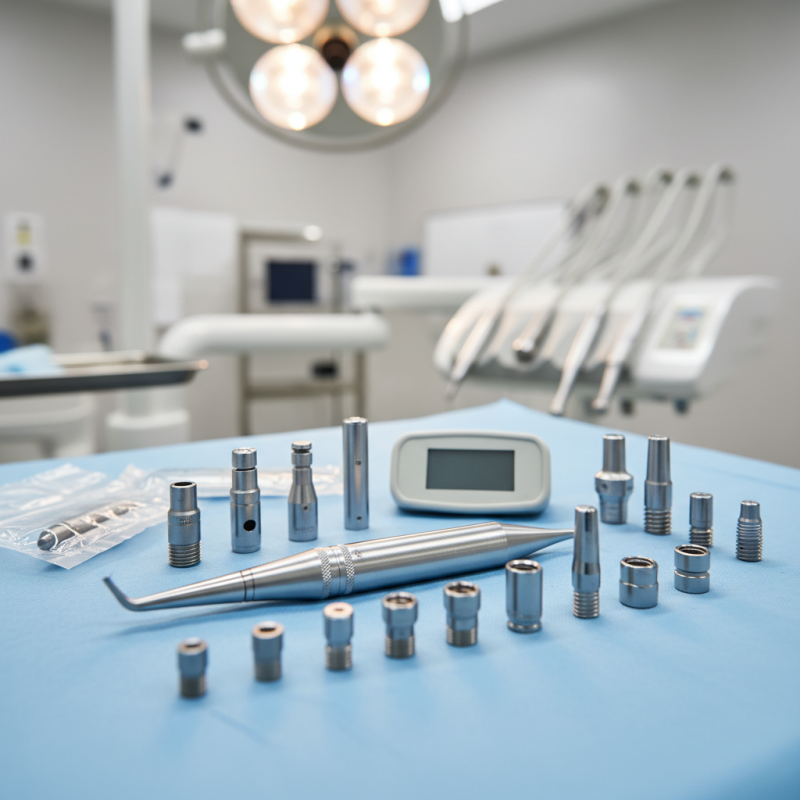
Torque wrenches play a critical role in dental implant procedures. They ensure the connection between the implant and the bone is optimal. Proper torque facilitates the stability of the implants. Too little torque can lead to loosening. Too much torque risks damaging surrounding tissues. This delicate balance is crucial for successful outcomes.
Understanding the specifications of torque wrenches is essential for dental professionals. Many wrenches are adjustable, providing flexibility for various implants. However, improper settings may lead to errors. Familiarizing oneself with each tool's calibration is important. Each dentist may have a different approach. Yet, consistency in torque application remains vital.
In practice, finding the right torque wrench isn't always straightforward. Many practitioners overlook the importance of regular maintenance. They may not recognize that worn-out tools deliver inaccurate torque readings. Incorporating a routine check can prevent potential complications. Reflecting on past experiences can help improve future practices in using torque wrenches effectively. This ongoing learning process benefits both dentists and patients alike.
Key Features to Look for in a Torque Wrench
When choosing a torque wrench for dental implants, several key features are vital. First, the accuracy of the tool is crucial. A torque wrench should have a precision of at least ±5%. This ensures the proper force is applied during procedures. Without this level of accuracy, you might end up risking implant failure. It’s essential to find a wrench that meets these specifications.
Another feature to consider is the range of torque settings. Different dental implants require varying amounts of torque. A versatile wrench can accommodate multiple settings, offering flexibility. Additionally, look for a tool that is easy to read and adjust. A digital display can eliminate guesswork, particularly in high-stress situations.
Lastly, the ergonomics of the wrench matter. A comfortable grip can make a big difference during long procedures. A balanced design helps reduce hand fatigue, but some tools might feel heavy. Reflecting on usability is essential. If a wrench is challenging to handle, it could lead to mistakes. Remember, utilizing a countersink drill for dental implants should complement your torque wrench choices and maximize efficiency.
Types of Torque Wrenches Suitable for Dental Procedures
When choosing a torque wrench for dental implants, it's crucial to understand the different types available. There are manual and electronic torque wrenches, each with unique features. Manual Torque Wrenches offer simplicity. They are easy to use and require no batteries. However, user error can occur if the torque is not carefully controlled.
On the other hand, electronic torque wrenches provide precise measurements. They often come with a digital readout, ensuring accuracy. Some models allow you to set desired torque limits, alerting you when you reach them. While these are advantageous, their reliance on batteries can be a drawback during procedures.
Understanding how to use the chosen wrench is vital. Some users still struggle with settings. They may wonder, "Can Dental Implants Be Removed?" if issues arise. Knowing the torque wrench can impact implant placement is essential. Mastering this tool is a journey, with continuous learning involved.
Set Torque Specifications for Different Dental Implant Systems
Choosing the right torque wrench is crucial for successful dental implant procedures. A qualified practitioner must understand the torque specifications for various dental implant systems. Each implant system has unique torque requirements, which can greatly affect stability and osseointegration. For instance, some reports suggest that an optimal torque range is between 30 to 50 Ncm. Deviating from this range can lead to complications, such as implant failure or compromised bone integration.
It’s essential to reference guidelines specific to each implant system. The use of a torque wrench ensures consistent application of force, enhancing implant success. Remember, different materials and implant designs might require adjustments in torque settings. Using a torque wrench without adequate knowledge can lead to over-tightening or under-tightening, resulting in suboptimal outcomes.
**Tip:** Familiarize yourself with the recommended torque settings for each implant system you work with. Regularly calibrate your torque wrench to maintain accuracy.
Understanding the torque specifications helps in making informed decisions during surgeries. Keeping records of torque data can also aid in analyzing implant performance over time. When choosing a torque wrench, prioritize functionality and precision over price. An investment in quality tools leads to better clinical results.
How to Choose the Best Torque Wrench for Dental Implants?
| Dental Implant System | Recommended Torque (Ncm) | Torque Wrench Type | Usage Notes |
| System A | 30-35 Ncm | Digital Torque Wrench | Best for high precision |
| System B | 25-30 Ncm | Click Type Torque Wrench | Reliable for routine use |
| System C | 15-20 Ncm | Beam Torque Wrench | Simple design, easy to read |
| System D | 10-15 Ncm | Manual Torque Wrench | Cost-effective choice |
Ergonomics and Design Considerations for User Comfort
When selecting a torque wrench for dental implants, ergonomics plays a crucial role. The design should facilitate a comfortable grip, allowing precise control. Long periods of use can lead to fatigue. A study by the American Dental Association found that 68% of dentists reported hand discomfort during procedures. Proper design can alleviate this issue.
Weight distribution is another vital consideration. A well-balanced wrench minimizes stress on the user's wrist. An overly heavy tool can lead to strain. Data shows that tools that weigh less than 1.5 pounds significantly reduce user fatigue. Additionally, a handle that is too thick may hinder delicate movements. Dentists must ensure the torque wrench feels just right in their hand.
Lastly, feedback mechanisms in the wrench design are essential. They provide essential tactile feedback when achieving the correct torque. This is critical, especially when engaging in sensitive procedures like Removing Dental Implants. If the feedback is unclear, it can result in over-tightening or insufficient torque application. Balancing design and comfort is vital for precise results in dental settings.
Maintenance and Calibration of Torque Wrenches
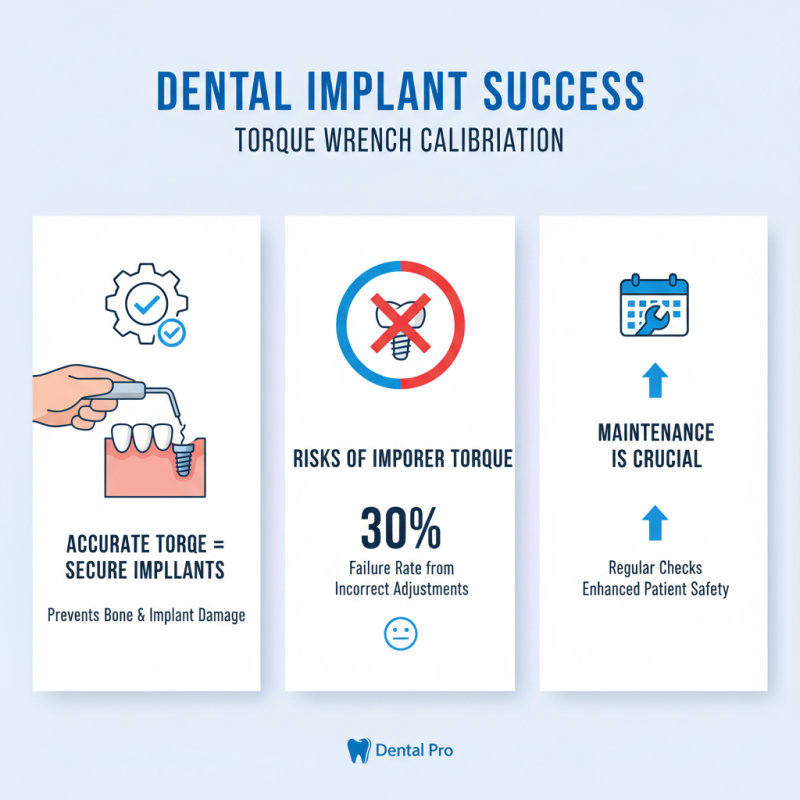
Maintaining and calibrating torque wrenches is crucial in dental implant procedures. Accurate torque settings ensure that implants are securely placed without damaging bone or the implant itself. Studies indicate that improper torque can lead to complications, with 30% of failures linked to incorrect adjustments. Regular checks can prevent such errors, enhancing patient safety.
Calibration should be performed regularly, ideally every 6 months or after significant use. Wrenches should be adjusted according to manufacturer specifications. Tools lose accuracy over time due to wear or misuse. Dentists often overlook this, leading to potential issues. A simple test can be done using a calibration gauge. It’s vital to document all calibration activities. This fosters accountability and ensures compliance with industry standards.
Some practitioners may not see the immediate impact of calibration. However, data reveal a correlation between accurate torque application and better implant stability. Inconsistent torque can cause loosening or bone resorption. Frequent monitoring will not only save time and resources but also elevate treatment quality. Investing effort into maintenance can lead to long-term success.
Choosing Between Manual and Digital Torque Wrenches
When selecting a torque wrench for dental implants, professionals often debate between manual and digitaloptions. Manual Torque Wrenches require tactile feel and experience. These models help clinicians maintain control over the torque application. A2022 study found that 68% of dental professionals prefer manual tools for their simplicity and reliability.
On the other hand, digital torque wrenches offer precision. They provide real-time torque readings, enhancing accuracy. According to industry reports, using digital tools can improve consistency by 30%. However, these more complex devices can sometimes lead to user errors. Not all professionals are comfortable with the technology. It can feel overwhelming.
Each option has its pros and cons. Manual models appeal for their straightforward design, while digital options promise accuracy. It's crucial to consider personal comfort and experience. A Dental Torque Wrench should ensure optimal results, whether manual or digital. Balancing familiarity with technology can be challenging. The choice could impact patient outcomes in subtle but significant ways.
Comprehensive Guide to the Dental Autogenous Bone Collector Kit: Benefits, Features, and Usage in Modern Dentistry
The Dental Autogenous Bone Collector Kit stands out in modern dentistry for its ability to efficiently harvest and utilize a patient’s own bone, which significantly enhances the success of various surgical procedures. One of the unique features of this kit is the bone chip maker drill, specifically designed with a pointed tip for optimal performance. Research indicates that autogenous bone grafts have a success rate of up to 95% due to their compatibility with the patient’s own biological structure, making the collection process crucial for maximizing graft effectiveness.
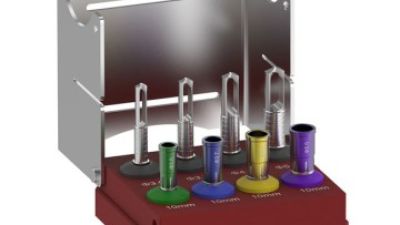
The innovative design of the drills includes depth stoppers that help minimize bone loss during harvesting. Starting with a 5mm stopper allows for precise control and ensures that the initial drilling minimizes disruption to surrounding bone tissue. This precision is essential in maintaining bone viability and preventing necrosis, which can occur with prolonged drilling durations. By collecting bone chips in a singular motion, the drill not only speeds up the procedure but also ensures that a significant volume of usable bone is harvested efficiently.
Additionally, the technique adopted in using the dental Autogenous Bone Collector aligns with current best practices in the dental field, where the emphasis on minimally invasive methods is paramount. Studies indicate that shorter drilling times contribute to preserving the integrity of the bone, reducing patient recovery time and enhancing overall outcomes. This equipment is an essential asset in any dental practice focused on creating optimal conditions for successful surgical interventions.
FAQS
: The two types are manual and electronic torque wrenches. Each has unique features.
User error can occur if the torque is not carefully controlled.
They provide precise measurements and often include a digital readout for accuracy.
Their reliance on batteries can be risky during dental procedures.
Proper use affects implant placement, making continuous learning essential.
Many appreciate their tactile feel and reliability, enhancing control over torque application.
Yes, their complexity can overwhelm some users, leading to potential mistakes.
It can improve consistency by 30%, according to industry reports.
Personal comfort and experience with each type significantly impact the choice.
Conclusion
Choosing the right torque wrench for dental implants is crucial for ensuring the success and longevity of dental procedures. Understanding the importance of torque wrenches involves recognizing their role in achieving the precise torque values required for different dental implant systems. Key features to look for include accuracy, range, and ease of use. Additionally, selecting the appropriate type of torque wrench—whether manual or digital—depends on individual practice needs and preferences.
Incorporating ergonomics and design into the selection process can enhance user comfort and reduce fatigue during procedures. It's also vital to follow proper maintenance and calibration practices to ensure the torque wrench remains reliable over time. By adhering to specified torque settings for various dental implant systems, practitioners can achieve optimal outcomes and improve patient satisfaction with their dental implants.