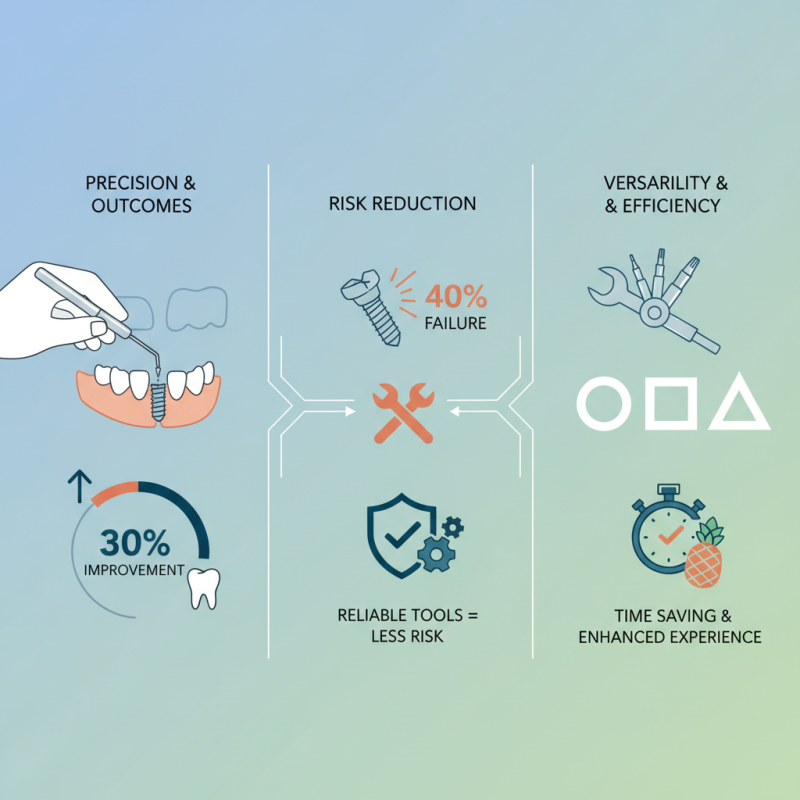
When it comes to dental work, picking the right Universal Implant Driver and Wrench Kit really makes a difference. Using proper tools not only boosts precision but also makes the whole implant process smoother and less stressful. Believe it or not, a report from the American Academy of Implant Dentistry points out that having the right instruments can actually improve outcomes by around 30%. That’s why dental offices should definitely invest in high-quality kits — it’s all about getting consistent, reliable results.
Here's a thing: about 40% of implant failures are linked to using the wrong tools or not using the right technique. A good Universal Implant Driver and Wrench Kit helps cut down those risks big time. Sure, the market's packed with different kits, but not all are created equal. Dentists need to look for options with durable materials and comfortable, ergonomic designs.
And, honestly, many professionals tend to overlook the fact that compatibility is key. Making sure the kit works with various implant brands can be tricky, but it’s totally worth it. Investing in a versatile Universal Implant Driver and Wrench Kit saves time and keeps frustration at bay. Plus, using well-designed tools like thePineapple Bur And Drill can really improve the surgical experience. At the end of the day, choosing the right tools isn’t just about ease — it’s about making sure your patients walk out happy and your practice keeps thriving.
When selecting a universal Implant Driver and wrench kit, understanding their roles in dentistry is crucial. The Universal Implant Drivers help place implants precisely. A good driver must fit various implant systems, providing versatility in procedures. This adaptability is essential for enhancing the efficiency of dental practices.
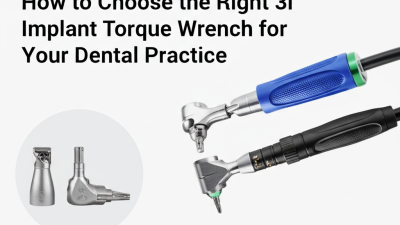
Wrenches, particularly the Universal Implant Torque Wrench Kit, assist in achieving the correct tightening of implants. Adequate torque is vital to ensure stability and longevity. Misalignment can lead to complications in implant integration. Using the wrong wrench may result in insufficient or excessive pressure on the implants.
Maintaining a balance between functionality and compatibility should be your focus. It’s common for dental professionals to overlook the specifications of different kits. Experience shows that practicing with various drivers and wrenches improves precision. Take time to evaluate your needs before investing in a universal kit. Proper reflection on past challenges will drive better choices in the future.
When selecting a universal Implant Driver and wrench kit, consider essential features. A robust construction is crucial. Durability ensures longevity in a workspace filled with various demands. Lightweight materials are preferable for comfort during prolonged use. A well-designed grip can prevent fatigue and improve control while handling implants.
Tips for efficiency: Look for kits that include multiple driver sizes. This versatility can accommodate different implant systems. Color-coded drivers can also streamline the identification process.
Another feature to emphasize is the torque control. A Universal Implant Torque Wrench is vital for achieving the proper tension during implant placements. Over-tightening can compromise the integrity of the implant. Be aware that not all torque wrenches provide clear measurements. Regular calibration of the wrench should not be overlooked.
Consider the case organization as well. A neatly arranged kit makes it easier to locate materials quickly, which can save time. Frequent checks on tool wear are also necessary. Tools that show signs of wear may affect performance and precision. Make careful selections to ensure reliability in every procedure.
| Feature | Description | Importance |
|---|---|---|
| Compatibility | Ensure the kit is compatible with various implant systems and sizes. | High |
| Material Quality | Look for durable materials that can withstand repeated usage. | Critical |
| Ergonomics | The design should promote ease of use and comfort during procedures. | Moderate |
| Torque Settings | Check if the wrench has adjustable torque settings for precision. | High |
| Portability | Consider whether the kit is easy to transport and store. | Moderate |
| Warranty | Check for warranty terms that cover defects and usage issues. | High |
When selecting a universal Implant Driver, ergonomics plays a vital role. A well-designed Implant Driver allows for better control during procedures. This can significantly impact the precision of implant placement. Comfortable handles reduce hand fatigue. Surgeons can perform more efficiently over extended periods. It is essential to choose a driver that fits well in your hand. An uncomfortable grip can lead to unintended errors.
The universal torque wrench for dental implants is another vital tool. Its design should prioritize ease of use. A wrench that feels awkward can hinder the effectiveness of the procedure. Different designs cater to various hand sizes and preferences. It’s crucial to try out a few options. Holding the tool in your hand will reveal what feels best. Reflect on past experiences with tools that were either perfect or could have been better.
Sometimes, the perfect ergonomics might still not prevent mistakes. Practicing with different kits can build confidence. Reflect on each use to see what works best for you. This thoughtful approach can help cultivate a better technique over time. Finding the right combination of comfort and control is critical for success in implant surgeries.
When selecting a universal Implant Driver and wrench kit, material durability is paramount. High-strength materials such as titanium and stainless steel are often recommended. These materials exhibit excellent resistance to wear and corrosion. Reports indicate that tools made from these materials can last significantly longer under repeated use, reducing the need for frequent replacements.
Durability goes beyond just resistance to physical wear. It also includes how tools perform under stress. For instance, a study published in the Journal of Oral Implantology indicated that drivers fail at a higher rate if made from lower-quality metals. Basic drivers failed within 300 cycles, while premium drivers lasted over 1,000 cycles. This stark contrast highlights the importance of material selection.
However, even the best materials can show limitations. Some professionals notice that even high-quality stainless steel drivers can suffer from deformation after extensive use. This necessitates a careful assessment of not just the materials, but also the design and construction of the tools. Contractors must weigh the benefits of initial cost savings against long-term performance. Investing in durable materials is not merely about immediate needs; it’s also about ensuring reliability throughout the lifespan of the tools.
Choosing the right Universal Implant Driver Kit is crucial for dental professionals. Compatibility with existing implant systems and accessories plays a significant role. Many practitioners overlook this aspect, resulting in inefficiencies during procedures. It’s vital to thoroughly assess how the driver kit aligns with the implants you use.
Consider the types of implants in your practice. Each system has unique specifications. A Universal Implant Driver Kit should accommodate these varying needs. Testing the driver with specific implants can reveal potential misalignments or usability issues. This hands-on approach often exposes shortcomings early in the selection process, helping avoid costly errors.
Compatibility isn’t just about fit; it also includes performance. Improperly matched accessories can lead to tool wear and ineffective outcomes. Study the materials and design of the Universal Implant Driver Kit. Often, you’ll find that certain kits excel when paired with specific brand accessories. This deeper investigation can elevate both your practice and patient satisfaction. Always reflect on past experiences to refine your choice.
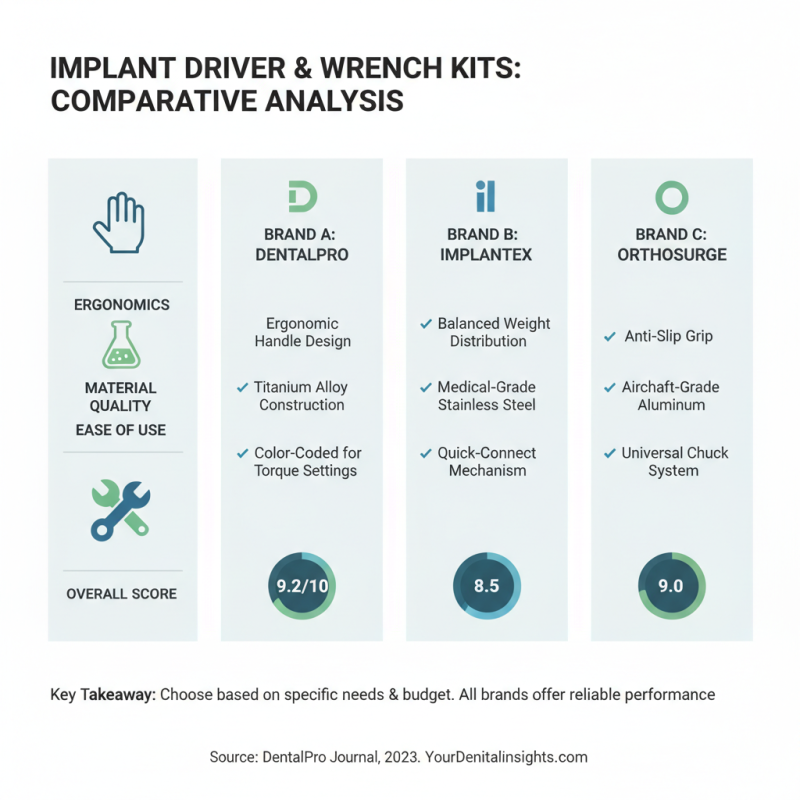
Choosing the right universal implant driver and wrench kit can be challenging. Each brand offers unique features and benefits. A detailed comparative analysis can help professionals make informed decisions. Look at factors like ergonomics, material quality, and ease of use.
Some kits come with unique attachments. These may allow for versatility during procedures. It’s beneficial to consider the variety of implants you work with. Some brands may emphasize compatibility. Others focus on durability or precision. Ensure the kit aligns with your specific needs.
User feedback often highlights inconsistencies. What works for one may not satisfy another. Some practitioners report wear and tear after limited use. Recognizing these nuances is vital in the selection process. Reliable tools enhance surgical outcomes. Yet, choosing the wrong kit could lead to inefficiencies. Prioritize hands-on experience and peer recommendations when selecting your kit.
When evaluating high-quality implant driver kits, cost is a critical factor. Investing in a reliable kit often means higher upfront costs. However, the return on investment can be significant. Durable tools reduce the risk of damage during procedures. They also minimize the chance of complications, ultimately saving time and money.
Quality materials enhance performance. For instance, an ergonomic design can improve grip and precision. This is essential during delicate surgeries. Cheaper kits may wear out quickly or break, leading to unexpected expenses. Having to replace tools frequently can disrupt workflows and patient care.
Moreover, consider how these tools fit within your practice's budget. Can you allocate resources for a few high-quality kits instead of multiple cheaper ones? Balancing quality with expenditure is challenging. Every purchase should align with long-term practice goals, ensuring that each tool adds value rather than just filling a gap.
: Ergonomics ensures better control and precision during procedures. Comfortable handles reduce hand fatigue, enhancing performance.
Ease of use is crucial. Test different designs to find what fits your hand best. Comfort influences effectiveness.
High-strength materials like titanium and stainless steel are ideal. They resist wear and corrosion, lasting longer under use.
Durable materials perform better under stress. Tools made from lower-quality metals have higher failure rates over time.
Yes, even premium stainless steel can deform with extensive use. Assessing design and construction is also important.
Assess your experience. Think about what felt comfortable or awkward during use to improve your technique.
Basic drivers may fail within about 300 cycles, highlighting the need for quality in tool selection.
Yes, investing ensures reliability and reduces the need for frequent replacements. Long-term performance should be a priority.
Choosing the right Universal Implant Driver and Wrench Kit is essential for enhancing efficiency in dental implant procedures. Understanding the fundamentals of these tools involves recognizing their key features, such as ergonomic design and material durability. Ergonomics play a crucial role, ensuring that the tools are comfortable to handle, thereby reducing strain during extended use. Additionally, the durability of materials affects the longevity and performance of the kit, making it a critical factor in selection.
Compatibility is another vital consideration, as the chosen Universal Implant Driver and Wrench Kit must align with various implant systems and accessories to ensure seamless operation. A comparative analysis of leading brands can provide insights into the best options available in the market, alongside a careful cost-benefit evaluation. By focusing on these aspects, dental professionals can make informed decisions, ultimately enhancing their practice and patient outcomes.