Leave Your Message
0%

When you're on the hunt for the best Sinus Lift Kit for global sourcing, it’s about way more than just comparing prices. Think of it like this: you want a kit that ensures safe handling, predictable procedures, and clear documentation—stuff that really supports your work. It’s worth taking a close look at how the instruments are designed, what options there are for graft delivery, how well the membrane is protected, and whether the materials are top-notch. Plus, does it fit smoothly into your clinical workflow? Little details matter—like a loose handle or unclear size markings—that stuff can actually slow down or complicate your procedures.

Dr. Ole T. Jensen, a respected expert in sinus floor elevation, once said, “The goal of sinus floor elevation is to create enough bone for implant placement.” That’s a simple but crucial principle that should guide all your buying decisions. Remember, a Sinus Lift Kit isn’t just a bunch of surgical tools thrown together. It’s part of a controlled treatment system. When sourcing, ask suppliers for traceable lot numbers, clear instructions for use, sterilization guidance, and consistent packaging. While ISO 13485 certification is a good sign, it shouldn’t be the only thing you rely on—doing your own checks is smart.

Getting your supplies from overseas adds a whole other layer of responsibility. Different markets have different rules for import, labeling, and clinical standards. Before placing big orders, double-check that all the necessary regulatory documents are in order. It’s also a good idea to ask for samples—inspect the kits as if you were using them in real life. Check how the handles feel, whether the instruments are sharp enough, how balanced everything is, and how the tray layout works. Don’t forget to ask how they handle replacements if something goes wrong. No checklist can cover everything, sure, but missing that step can be costly. A cheaper, lower-quality kit might seem like a good deal at first glance, but if it ends up being inconsistent or poorly finished, it could cost you more in the long run. Trustworthy sourcing isn’t just about promises—it’s about evidence. Doing supplier audits, checking references, and keeping communication open will help you cut down on risks and keep your clinical work high quality.
How to Choose the Best Sinus Lift Kit for Global Sourcing?

Understanding Sinus Lift Kits and Their Clinical Applications

A Sinus Lift Kit supports procedures that increase bone height beneath the maxillary sinus. It is commonly used before implant placement in the posterior upper jaw. Reduced bone may result from resorption, sinus expansion, or long-term tooth loss. Clinical selection depends on anatomy, residual bone height, and the planned implant position.

A Direct Sinus Lift Kit may support a lateral window approach when substantial vertical augmentation is required. Smaller osteotomes and elevators may suit a crestal approach with limited elevation needs. Useful components can include membrane elevators, curettes, bone carriers, osteotomes, depth markings, and irrigation accessories. Each instrument should match the surgeon’s technique and the patient’s imaging findings. Cone-beam computed tomography remains important for assessing sinus walls, septa, membrane condition, and nearby structures.

Sourcing requires more than counting instruments. Review material composition, surface finish, corrosion resistance, sterilization compatibility, and packaging integrity. Request clear instructions for use, inspection guidance, lot traceability, and quality documentation. Regional requirements may differ, so importers should confirm applicable medical device rules before purchase. A kit can appear complete yet lack a practical depth marker or suitable elevator. That matters. Clinical feedback from experienced users may reveal this gap before routine adoption. Supplier communication should also address replacement parts, inspection samples, lead times, and training support. Procurement decisions should remain evidence-informed, not based only on a low unit price.

Identifying the Essential Components of a Complete Kit

How to Choose the Best Sinus Lift Kit for Global Sourcing?

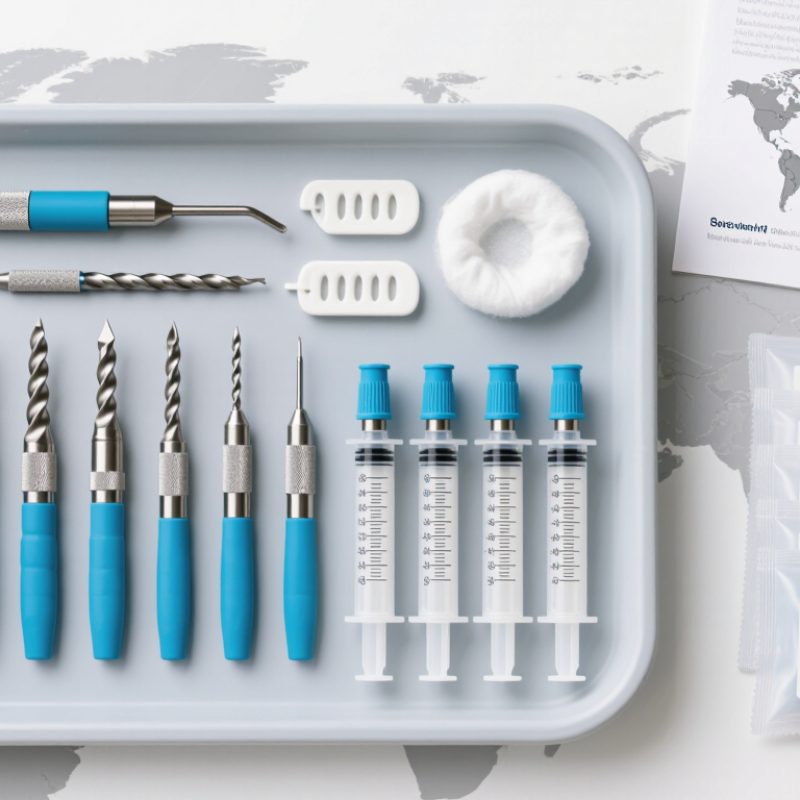
A complete Sinus Lift Kit should support the intended clinical technique without unnecessary instruments. Essential components may include osteotomes, curettes, elevators, depth gauges, drills, irrigation parts, and protective stops. The instrument layout should feel logical during real procedures. Small details matter. A secure handle reduces hand fatigue, while clear depth markings support controlled use. Buyers should also check whether the kit supports crestal, lateral, or both approaches. Not every “complete” kit is truly complete.

Material quality deserves careful review. Stainless steel specifications, surface finishing, corrosion resistance, and repeated sterilization performance should be documented. Ask for product drawings, inspection records, packaging details, and traceability information. The supplier should provide clear instructions for use and relevant conformity documents for each target market. Compatibility also matters. Some components may require matching drivers, connectors, or irrigation systems. A lower price can look attractive, but missing accessories may increase the final cost.

Tips: Request a sample kit before placing a large order. Open the cassette and check every component against the packing list. Test instrument balance, markings, locking parts, and cleaning access. Confirm replacement availability and lead times in writing. Experienced buyers often overlook after-sales support. No checklist catches every mismatch, so involve a qualified dental professional before approval.

Comparing Materials, Instruments, and Surgical Design Features

How to Choose the Best Sinus Lift Kit for Global Sourcing?

Material selection should begin with clinical evidence, not catalog language. A 2021 systematic review in Clinical Oral Implants Research reported sinus membrane perforation rates ranging from approximately 7% to 44%. The wide variation reflects surgical technique, anatomy, and study design. It also warns buyers against treating one graft material as universally superior. Compare xenogeneic, allogeneic, and synthetic options by particle size, resorption profile, sterility, and traceability. Cochrane evidence on grafting materials remains limited and heterogeneous. That is important. A lower purchase price may hide extra handling time or unpredictable hydration.

Instrument design deserves equal attention. A practical kit may include depth-marked osteotomes, angled curettes, membrane elevators, irrigation tubing, and aspiration-compatible access tools. Rounded working ends can reduce sharp contact with delicate tissue. Clear depth markings help clinicians judge elevation height inside a narrow posterior site. For global sourcing, request material certificates, sterilization validation, ISO 13485 quality documentation, and lot-level traceability. Packaging should protect fine tips from bending during long-distance transport. Check this physically. Surgical access also matters: lateral-window instruments need visibility and controlled reach, while transcrestal systems require stable depth control and reliable irrigation. A 2022 review in the International Journal of Oral Science noted that outcomes depend heavily on operator experience and anatomical conditions. Procurement teams should therefore collect feedback from experienced clinicians, not only distributors. My own sourcing review would still leave room for doubt: a well-designed kit cannot correct poor case selection or inadequate training.

Evaluating Supplier Quality, Certifications, and Regulatory Compliance

When sourcing an Internal Sinus Lift Kit globally, supplier quality deserves more than a polished catalog. Ask for material specifications, dimensional tolerances, inspection records, and lot traceability. A reliable supplier should explain how instruments are cleaned, passivated, packaged, and protected from corrosion. Request sample units before placing a large order. Examine the threads, handles, tips, and package seals under good light. Small defects can affect clinical handling.

Certifications need careful verification. An ISO 13485 certificate supports a quality management system, but it does not automatically prove product safety. Check the certificate scope, issuing body, validity dates, and manufacturing site. Review risk management under ISO 14971, biocompatibility evidence, sterilization validation, and shelf-life data when applicable. Regulatory requirements differ by destination. CE marking may involve European rules, while the United States may require an appropriate FDA pathway. Do not accept copied certificates or incomplete declarations.

Traceability matters.

Ask how the supplier manages design changes, nonconforming products, complaints, and recalls. The technical file, labeling, instructions for use, and UDI information should match the actual kit. I have seen procurement teams focus heavily on price and overlook replacement parts or training documents. That choice can create delays later. A supplier audit, even by video, can reveal storage conditions, inspection habits, and documentation gaps. No checklist is perfect. Recheck critical evidence before each major purchase.

How to Choose the Best Sinus Lift Kit for Global Sourcing? - Evaluating Supplier Quality, Certifications, and Regulatory Compliance

Evaluation Dimension What to Verify Reference Requirement or Benchmark Evidence to Request Suggested Weight Recommended Score Sourcing Decision
Quality Management System Confirm that the manufacturing site operates a documented medical-device quality system covering design, production, traceability, complaints, and corrective actions. Current certification to ISO 13485, issued for the actual manufacturing site and relevant device scope. Unexpired certificate, certification scope, issuing conformity-assessment body, audit status, and site address. 20% 0–5 Reject if absent or unverifiable.
Product Configuration Assess whether the kit contains the required instruments, sizes, markings, packaging, and instructions for the intended Sinus Lift technique. All components should be listed in the technical file and match the approved product configuration and labeling. Bill of materials, technical drawings, component specifications, product photographs, and instructions for use. 12% 0–5 Approve only after configuration review.
Material and Biocompatibility Safety Verify materials used for osteotomes, drills, curettes, stops, handles, coatings, and packaging that may contact the patient or sterile field. Materials must be identified, controlled, and evaluated under a risk-based biological-safety process consistent with ISO 10993 where applicable. Material certificates, supplier declarations, biological evaluation plan/report, coating specifications, and allergen statements. 15% 0–5 Hold if material identity is incomplete.
Sterilization and Reprocessing Determine whether the kit is supplied sterile, reusable, or non-sterile, and whether the stated processing method is validated. Reusable instruments should include validated cleaning, disinfection, inspection, packaging, and sterilization instructions. Sterile products require validated sterilization and packaging processes. Sterilization validation summary, packaging validation, shelf-life data, reprocessing instructions, and relevant process records. 15% 0–5 Reject if intended use and processing status conflict.
Regulatory Documentation Check whether the product can be legally placed on the target market and whether the supplier supports the importer or authorized representative. Documentation should align with the destination jurisdiction, device classification, conformity route, labeling rules, and post-market obligations. Declaration of conformity where applicable, registration details, regulatory certificates, labeling samples, UDI information, and authorized-representative details. 15% 0–5 Market-specific review is mandatory.
Dimensional and Functional Control Evaluate dimensional accuracy, surface finish, corrosion resistance, instrument alignment, cutting performance, and compatibility with the intended procedure. Critical dimensions and acceptance criteria must be defined, measured with calibrated equipment, and linked to inspection records. Inspection plans, calibration certificates, first-article inspection reports, functional test records, and sample approval results. 10% 0–5 Approve after independent sample inspection.
Traceability and Change Control Confirm that batches, raw materials, production dates, inspections, and design or process changes can be traced. Lot or batch identification should connect finished products to production and quality records for the applicable retention period. Traceability procedure, sample batch records, change-notification procedure, and corrective-action records. 8% 0–5 Use contract controls for advance notice of changes.
Supplier Audit and Production Capacity Assess process capability, inspection resources, subcontractor control, capacity, lead time, and business continuity. Supplier should permit a documented qualification audit and provide an escalation plan for supply interruptions or quality events. Audit questionnaire, process map, capacity statement, business-continuity plan, subcontractor list, and corrective-action response history. 5% 0–5 Qualify only after risk-based audit.
Packaging, Labeling, and Logistics Verify protection against corrosion, contamination, impact, moisture, and loss of sterile-barrier integrity during international transport. Packaging and labels should remain legible and intact through expected shipping and storage conditions, with applicable symbols and warnings. Packaging specifications, transport testing, label artwork, storage conditions, shelf-life justification, and carton traceability. 5% 0–5 Approve after packaging and label review.
Overall Qualification Threshold Use a weighted score together with mandatory compliance gates. A high commercial score must not override missing regulatory or safety evidence. 100% ≥4.0/5 Preferred supplier
Scoring note: Score each category from 0 to 5. Treat ISO 13485 certification, material and biocompatibility evidence, sterilization or reprocessing validation, and destination-market regulatory documentation as mandatory qualification gates. Regulatory requirements vary by country and intended use; confirm the current requirements with the competent authority or a qualified regulatory professional before purchase.
Reference standards commonly considered: ISO 13485 for medical-device quality management systems; ISO 14971 for medical-device risk management; ISO 10993 for biological evaluation where applicable; ISO 15223-1 for symbols used with medical-device information; ISO 20417 for information supplied by the manufacturer; and applicable sterilization, packaging, labeling, and destination-market requirements.

Assessing Manufacturing Capacity, Customization, and Packaging Options

Choosing a Kit Sinus Lift for global sourcing requires more than comparing unit prices. Manufacturing capacity must match clinical demand, quality controls, and delivery schedules. The WHO Global Oral Health Status Report 2022 estimates that nearly 3.5 billion people live with oral diseases worldwide. That figure signals demand, but demand alone does not prove supplier reliability.

Request monthly output records, equipment lists, and recent batch documents. A capable manufacturer should explain machining tolerances, inspection frequency, and contingency plans. Ask whether production can support pilot orders and later volume increases. Customization also needs discipline. Handle design changes through documented approval, risk assessment, and sample verification. A polished prototype means little without repeatable production. I have seen sourcing decisions overvalue appearance.

Packaging deserves equal attention. Confirm material specifications, protective inserts, labeling fields, and carton testing. For sterile products, packaging validation should align with ISO 11607 principles. The WHO Global Patient Safety Action Plan 2021–2030 stresses reliable systems and risk reduction across healthcare delivery. Packaging is part of that system, not decoration.

Use clear purchase specifications. Define instrument dimensions, surface finish, accessories, packaging layers, and acceptance criteria. Request transport simulation data when shipments cross climates or oceans. A supplier that reports defects honestly may be more dependable than one promising zero problems. That honesty matters. Evaluate documentation, responsiveness, and corrective-action speed before committing to a long-term contract.

Calculating Total Sourcing Costs, Logistics, and Import Requirements

Global sourcing for a Hydraulic Sinus Lift Kit requires more than comparing supplier prices. The real figure includes product cost, packaging, inspection, freight, insurance, duties, taxes, and broker fees. I once underestimated inland delivery charges. That error changed the purchase decision.

Ask suppliers for a detailed quotation with shipping terms and carton dimensions. Air freight may suit small urgent orders, while sea freight can reduce costs for heavier shipments. Confirm whether the quote covers export clearance and destination handling. Request samples before placing a large order. Check instrument materials, surface finish, packaging strength, and labeling against your clinical requirements. Do not rely on photographs alone.

Import planning needs equal attention. Verify the product classification, applicable registration, labeling language, and documentation with the destination authority. Common documents may include a commercial invoice, packing list, certificate of origin, quality certificates, and transport records. Sterile products may require additional evidence and controlled packaging conditions. A customs broker can review tariff codes, but the importer remains responsible for accuracy. Allow time for inspections or document corrections. Delays happen. Build a realistic safety margin into the landed-cost model, even when the spreadsheet looks precise.

How to Choose the Best Sinus Lift Kit for Global Sourcing?

Estimated total sourcing cost by supplier region, based on a 1,000-unit order

The comparison combines estimated unit price, international freight, import duties and fees, and quality or compliance handling costs. These planning figures are illustrative benchmarks in USD per kit; actual totals depend on product classification, destination-country medical-device rules, shipment terms, and order volume.

For a reliable sourcing decision, confirm the applicable HS code, importer-of-record requirements, product registration, labeling, sterilization documentation, and landed-cost quotation before placing an order.

Dental Implant Sinus Lift Market Insights: Grand View Research & Fortune Business Insights Reports | Dentium DASK Kit

The dental implant Sinus Lift market is gaining attention as clinicians seek dependable solutions for managing reduced posterior maxillary bone height. Industry research reports indicate continued interest in sinus augmentation technologies, driven by advances in implant treatment planning, an aging patient population, and demand for predictable restorative outcomes. Within this environment, specialized osteotome systems remain important tools for controlled sinus membrane elevation and site preparation.

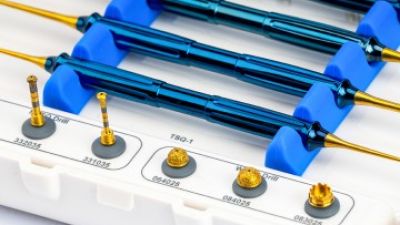
This sinus lift osteotome set includes four sequentially sized instruments designed to support a gradual surgical approach. Model 1 features dual rounded ends to begin membrane elevation, while Models 2, 3, and 4 follow progressively according to the available anatomy and the clinician’s preferred technique. Each instrument is precision-machined and weighs approximately 80 grams, helping provide consistent tactile feedback during manipulation. Anti-slip micro-texturing on the handles supports secure grip control, particularly during lateral window sinus augmentation procedures where precision and stability are essential.

The system is intended for professional dental use in carefully planned implant procedures. Its graduated design allows practitioners to adjust instrument selection as anatomical conditions change, potentially supporting more controlled handling of the surgical site. Successful application requires advanced clinical training, thorough anatomical assessment, and strict adherence to applicable medical standards and surgical protocols.

FAQS

What supplier quality evidence should buyers request?

Request material specifications, dimensional tolerances, inspection records, and lot traceability. Ask for sample units before placing a large order. Examine threads, handles, tips, and seals under bright light.

Does a quality certification prove product safety?

No. A certificate supports a quality system, but it does not prove complete product safety. Check its scope, validity dates, issuing body, and manufacturing site.

Which technical documents deserve close review?

Review risk assessments, biocompatibility evidence, sterilization validation, and shelf-life data when applicable. Confirm that labeling, instructions, technical files, and identification details match the actual kit.

How can buyers verify regulatory readiness?

Ask for the destination market’s applicable regulatory pathway. Reject copied certificates and incomplete declarations. Requirements differ across countries, so one document may not satisfy every market.

How important is supplier traceability?

Traceability is essential. Ask how the supplier manages design changes, complaints, nonconforming products, and recalls. Request records showing batch history and corrective actions.

How should manufacturing capacity be evaluated?

Request monthly output records, equipment lists, and recent batch documents. Ask about pilot orders, volume increases, inspection frequency, and contingency plans. Capacity claims need evidence.

What should buyers check when requesting customization?

Require documented design approval, risk assessment, and sample verification. A polished prototype can still hide production problems. Appearance alone is not enough.

What packaging details matter during global shipping?

Confirm packaging materials, protective inserts, labels, and carton testing. Request transport simulation data for ocean shipments and changing climates. Packaging protects performance, not just appearance.

How can a supplier audit reveal hidden problems?

A video audit can show storage conditions, inspection habits, and documentation gaps. Observe shelves, packaging areas, and recordkeeping. No checklist catches everything.

What should guide a long-term purchasing decision?

Evaluate documentation quality, communication, defect reporting, and corrective-action speed. Low pricing can hide replacement or training delays. I would still recheck critical evidence before ordering again.

Conclusion

Choosing the best Sinus Lift Kit for global sourcing requires a balanced evaluation of clinical function, product completeness, manufacturing reliability, and total purchasing cost. Buyers should first understand the kit’s intended applications and confirm that it includes essential components such as specialized instruments, access tools, graft delivery accessories, and protective storage solutions. Material quality, ergonomic design, surgical precision, ease of sterilization, and compatibility with common clinical workflows are also important factors when comparing different options.

Supplier assessment should include manufacturing capacity, quality control procedures, relevant certifications, regulatory documentation, and the ability to provide consistent production at scale. Customization may involve instrument configurations, labeling, packaging, and private specifications, while packaging should protect products during international transportation and storage. Finally, buyers should calculate the complete sourcing cost, including unit price, customization, shipping, insurance, duties, import documentation, and local compliance requirements. A structured comparison helps organizations select a reliable, cost-effective, and clinically suitable Sinus Lift Kit for international procurement.

Lily

Lily

Lily is a seasoned marketing professional at Gosmile Medical Technology, a high-tech factory based in Dongguan since 2017. With an acute understanding of the dental and medical device industry, she plays a pivotal role in showcasing the company's commitment to excellence. Gosmile is ISO-certified......
Previous China Best Implant Analog Supplier for Global Buyers?