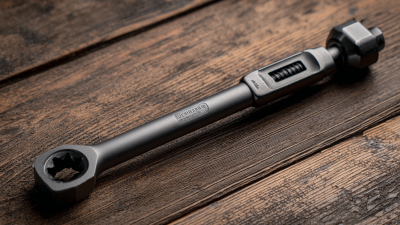
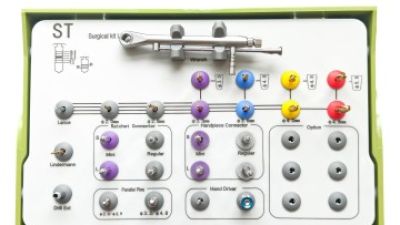
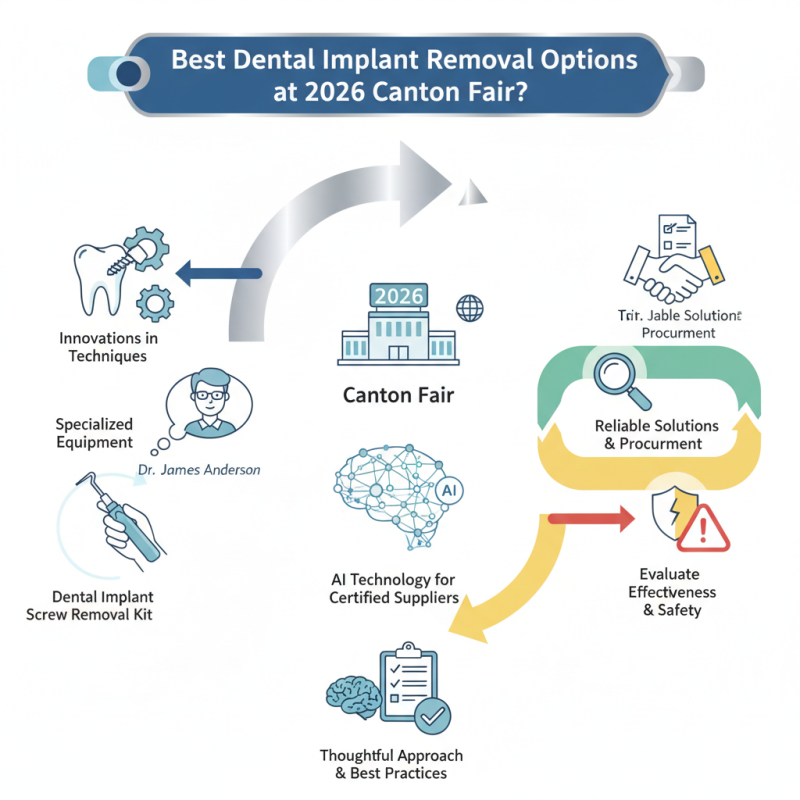
As the 2026 Canton Fair gets closer, folks in the dental world are pretty excited about what’s coming in terms of Dental Implant Removal techniques. Dr. James Anderson, a well-known expert in dental surgery, puts it simply: "Using the right tools, like theDental Implant Screw Removal Kit, can really change the game when it comes to taking out implants." His insights just highlight how much more important specialized equipment is becoming these days.
At the fair, you'll see lots of suppliers showing off new advancements in Dental Implant Removal — a real chance for dental pros to find trustworthy solutions. Plus, with AI tech being part of the event, buyers can now more easily spot suppliers with the right certifications, making the whole experience smoother. It’s a big help when trying to navigate such a massive exhibition, and it can actually make it easier to find the right tools and options for removing implants.
Of course, with all these new tech advancements, it’s super important to stay cautious. Not every method or tool out there is equally effective or safe. Dental professionals should take a moment to think about their past experiences and listen to feedback from others. This kind of thoughtful approach will help ensure they’re sticking to the best practices as things keep evolving in the world of Dental Implant Removal.
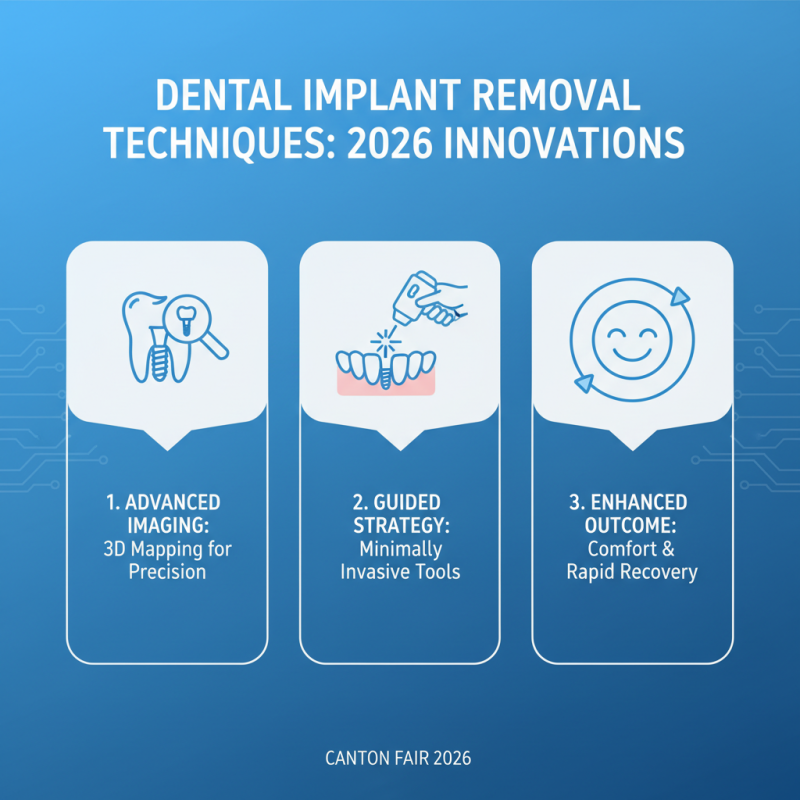
At the 2026 Canton Fair, innovative techniques for Dental Implant Removal are set to take center stage. New advancements aim to enhance patient comfort and reduce recovery time. Some techniques use advanced imaging technology to precisely locate and assess implant placement. This precision allows for a more strategic removal process, minimizing trauma to surrounding tissues.
Another intriguing development is the use of specialized tools designed for rapid extraction. These tools promise efficacy but may not be perfect for every case. Some patients might experience varying levels of pain or discomfort, sparking debates within the dental community. Additionally, certain techniques still require refinement. It raises the question of accessibility and whether all dental professionals can implement them effectively.
Many practitioners are excited about these innovations in Dental Implant Removal. However, room for improvement remains. Patient feedback will be crucial in adapting these methods to ensure better outcomes. Continuous training and education will be essential for dental professionals to stay ahead of these trends. The evolving landscape presents both opportunities and challenges in the field.
Dental implants can be a transformative solution for missing teeth. Yet, sometimes they fail. Identifying key indicators of implant failure is crucial for timely intervention. Pain around the implant site can signal infection or other complications. Other signs include loosening implants, swelling, or changes in gum color. If you experience any of these symptoms, seek professional advice immediately.
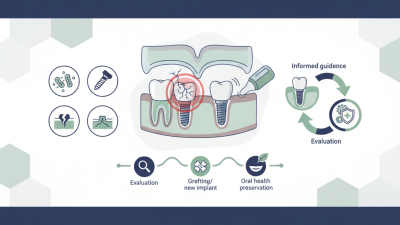
One common reason for implant failure is bone loss. This can occur due to inadequate healing or infection. Another factor is improper alignment during the initial placement. Regular check-ups play a significant role in catching potential issues early. If failure occurs, various Implant Removal Dental options are available. These methods should be discussed with a dental professional. Some procedures may be straightforward, while others may require more advanced techniques.
It's essential to reflect on your dental health and the quality of care you receive. Some patients delay seeking help, thinking issues will resolve on their own. However, this often complicates the situation further. Being proactive about dental health can save you from more extensive and painful procedures later on. If you're facing uncertainties, don't hesitate to consult a specialist. Your smile deserves the best care possible.
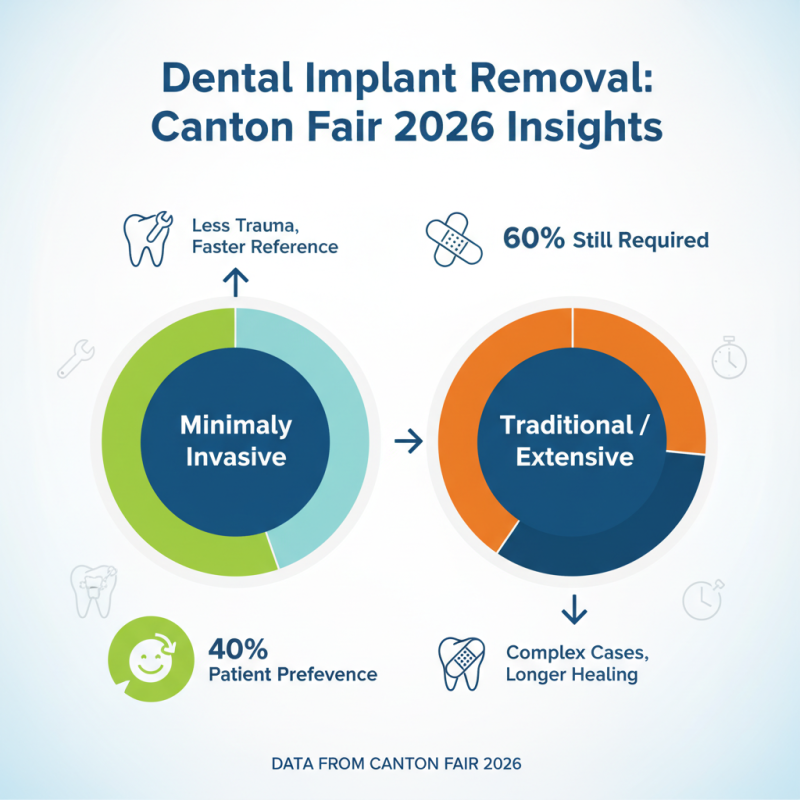
The 2026 Canton Fair offers a detailed look into Dental Implant Removal methods. Various techniques have different advantages and drawbacks. For instance, minimally invasive procedures are gaining traction. Data suggests that nearly 40% of patients prefer these over traditional methods. However, there's still a significant percentage that requires extensive procedures.
One common approach includes using an Implant Screw Removal Kit. This kit can aid in the efficient extraction of screws without causing substantial damage to surrounding tissues. Studies indicate that employing this kit reduces recovery times for patients. Despite its benefits, there can be challenges, such as misalignment during the procedure. This can lead to extended healing periods.
In contrast, other methodologies emphasize manual techniques. These often yield higher precision but can be more time-consuming. A survey revealed that up to 35% of dentists are reconsidering traditional methods due to advancements in equipment and technique. While the newer methods show promise, there remains a need for caution and in-depth training for dental professionals. The balance between innovation and experience will shape future practices in the field.
When considering Dental Implant Removal, patient safety and comfort should be top priorities. Sedation options play a crucial role in this process. Research indicates that nearly 80% of patients experience anxiety during dental procedures. This highlights the need for effective sedation methods to alleviate fear and enhance comfort.
IV sedation is often preferred for implant removal due to its immediate effects. A study found that about 70% of patients reported feeling more relaxed with this approach. However, it requires careful monitoring. Alternatives like oral sedation may be less invasive but can vary in effectiveness. Patient comfort can differ greatly across these options, impacting overall satisfaction.
It's essential for practitioners to evaluate each patient's needs. While sedation enhances comfort, the potential for side effects exists. Some patients may feel groggy post-procedure. Others might encounter minor complications. The goal is to provide a balance—ensuring safety without compromising the experience. Continuous evaluation and feedback from patients remain critical in refining these sedation practices at events like the 2026 Canton Fair.
When considering Dental Implant Removal, understanding costs is crucial. Different factors contribute to total expenses. Usually, the complexity of the procedure influences pricing. For instance, if implantation failed, costs may rise due to necessary corrective measures. An initial consultation may range from $100 to $300. In some cases, additional imaging is needed.
Surgical costs can vary widely. Simple removals might cost around $500. However, complicated extractions can soar to $2,000. Anesthesia fees are also a hidden expense. Local anesthesia can save money, while sedation adds to the bill. Post-removal care should not be overlooked. Follow-up appointments might incur further costs.
Patients often overlook the time involved. Recovery may take weeks. Missing work due to pain or complications adds financial strain. Many find it hard to balance the cost of treatment with necessary breaks. This disconnection can lead to frustration and, at times, regret over earlier choices. It's a cycle worth reflecting upon.
After Dental Implant Removal, proper care is vital. Patients often overlook these critical steps. Gentle brushing and rinsing with saltwater can promote healing. Avoiding hard foods is also essential. Most patients underestimate the impact of diet during recovery. Soft foods support better healing and reduce discomfort.
Monitoring for signs of infection is crucial. Redness, swelling, or increased pain can indicate trouble. These symptoms should not be ignored. Keeping the area clean is vital but often neglected. Patients need reminders to stick to prescribed care routines.
Over time, poor habits can delay recovery. Maintaining a follow-up schedule with a dental professional ensures proper healing. Discomfort is normal, but knowing when to seek help isn’t always clear. Some patients wait too long to address issues. Investing in your oral health during recovery is paramount. Reflecting on one’s own care choices can lead to better outcomes.
As dental implant technology continues to evolve, so do the methods for their removal. The 2026 Canton Fair will showcase a variety of innovative strategies for Dental Implant Removal. With advancements in materials and techniques, dental professionals are adopting more efficient methods. Minimally invasive approaches are becoming more popular, reducing recovery time for patients. These innovations also highlight the need for improved education in the removal process.
One promising tool that stands out is the Neobiotech Implant Removal Kit. This kit enhances precision, making the removal process smoother. It emphasizes user-friendliness, ensuring dentists can adapt quickly to new techniques. However, not all dental professionals may be familiar with the kit's features. This could lead to inconsistent experiences for patients. Additionally, the aesthetics and comfort of implants are crucial. Future developments must address the impact on adjacent structures when removal is required.
Looking ahead, trends indicate a growing focus on patient-centered care. Personalization in removal strategies may become essential. As technology advances, there could be a shift toward using augmented reality for guidance. Such tools may help improve the efficiency of dental implant placement and removal. Still, there is room for improvement in training programs for practitioners. Embracing collaboration and innovation will ultimately enhance patient outcomes in dental care.
The T-Plus Surgical Kit stands out in the field of dental implants due to its innovative approach to guided surgery instrumentation. One of its notable features is the gold-anodized drills, which are designed with clear millimeter-grade markings along the shank. This thoughtful design enables practitioners to exert precise control over drilling depths, accommodating diverse residual bone heights efficiently. The inclusion of a dedicated cortical bone drill further enhances the kit's versatility, allowing for tailored approaches to various surgical scenarios.
In addition to its remarkable drill design, the T-Plus kit comes equipped with eight non-hex Implant Drivers, which cater to different insertion torques and adapt to varying surgical site requirements. This adaptability not only facilitates a smoother surgical experience but also enhances the overall effectiveness of implant procedures. Each kit is configured for individual use, aligning with aseptic protocols to minimize the risk of cross-contamination. This focus on hygiene and efficiency makes the T-Plus Surgical Kit an essential tool for dental professionals aiming for success in implant surgeries.
: Pain, swelling, loosening of the implant, and gum color changes can indicate failure.
Implant failure can stem from bone loss, infection, or improper alignment during placement.
Regular check-ups help catch issues early. They can prevent more severe problems later on.
Seek professional advice immediately if you experience any concerning symptoms.
Costs vary by procedure complexity, ranging from $500 to $2,000, plus consultations and imaging.
Yes, follow-up appointments and recovery can add to the overall expenses.
Recovery time can take several weeks, which might require missing work.
Future trends lean towards minimally invasive removal methods, enhancing patient care.
Innovations could include augmented reality tools for better efficiency and precision in procedures.
Personalizing removal strategies ensures treatment aligns with individual patient needs and outcomes.
The article explores the latest advancements and techniques concerning Dental Implant Removal, as showcased at the 2026 Canton Fair. It provides a comprehensive overview of innovative removal strategies, highlighting key indicators that signal when implant removal is necessary due to failure. A comparative analysis of various removal methods is presented, alongside evaluations of sedation options that prioritize patient safety and comfort during the procedure.
Additionally, the article delves into the financial aspects of Dental Implant Removal, offering a clear cost breakdown associated with these procedures. It emphasizes the importance of post-removal care, presenting best practices and recovery guidelines to assist patients. Finally, the discussion on future trends in dental implant technology indicates how emerging innovations may influence removal strategies, ultimately enhancing the overall patient experience in dental care.