In the fast-changing world of the Tissue Punch industry, companies are always trying to come up with new ideas to keep up with what the market wants. I mean, Dr. Emily Carter, a real expert in designing medical devices, once said, 'Innovation isn’t just about the latest tech; it’s really about understanding what customers need.' That pretty much sums up what's happening right now with the top OEM and ODM suppliers.
When we look at the latest developments, it’s not just about the machines themselves. It’s really about understanding what the users want and need. Take the Dental Tissue Punch, for example—that’s pretty much about making sure it’s comfortable to hold and use. Suppliers are trying to achieve this perfect combo of precision and usefulness, but, honestly, they still face some hurdles like reliability issues and inconsistency in some products.
Of course, these innovations should help the industry grow, but it’s also worth remembering where we went wrong before. Sometimes, companies rush products to market without enough testing, which can cause problems down the line. Listening to feedback from medical professionals is super important. Looking ahead to 2026, I think mixing the excitement over new trends with lessons learned from past mistakes will be key to thriving in this constantly changing Tissue Punch scene.

In 2026, the Tissue Punch manufacturing industry will witness significant transformations. Emerging technologies and innovations are vital for improving efficiency and product quality. According to recent market research, the global Tissue Punch market is projected to grow at a CAGR of 6% over the next few years. This growth reflects demand for precision and customization in surgical instruments.
One notable trend is the integration of automation in manufacturing processes. Automated systems enhance precision and reduce human errors. Benefits include increased output and faster turnaround times. However, there are challenges with implementing such technologies. Smaller manufacturers may struggle to adopt these systems due to high initial costs. Balancing efficiency with affordability remains a key concern.
Sustainability is another emerging trend. Consumers are increasingly seeking eco-friendly products. Reports indicate that 55% of healthcare professionals prefer suppliers who prioritize sustainable practices. Manufacturers are responding by sourcing biodegradable materials for Tissue Punches. However, the transition to sustainable materials can involve complications, such as reduced performance or higher prices. This presents an ongoing challenge in aligning ecological responsibility with industry standards.
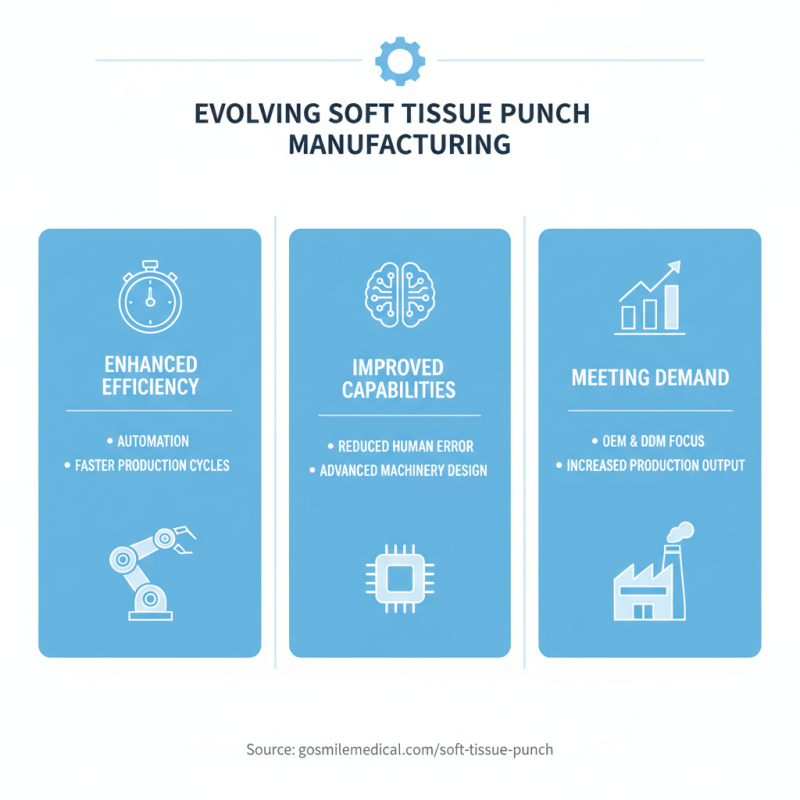
In the evolving landscape of OEM and ODM manufacturing, innovations in the Soft Tissue Punch segment are becoming crucial. Manufacturers are focused on enhancing efficiency through automation. Machine capabilities are improving, allowing for faster production cycles. Automation technologies reduce human error significantly. This shift is evident in how companies are designing their machinery to meet rising demands.
Sustainability in materials is also a key innovation. Using eco-friendly materials not only meets compliance standards but also attracts environmentally conscious customers. However, sourcing these materials can be challenging. Some manufacturers still rely on traditional materials, facing backlash from consumers expecting greener practices. There’s a need for balance between cost and sustainability.
Another area of focus is precision engineering. Advanced technologies are allowing for tighter tolerances in Soft Tissue Punch designs. This increased precision can lead to better performance in medical applications. Yet, implementing these technologies can be costly. Some companies struggle to keep up, risking a gap in quality. Continuous improvement in this field is essential, but it requires investment and foresight.
The market for Tissue Punch suppliers is evolving rapidly. Demand for high-qualityTissue Punch Kits has surged. Many industries, especially medical and research, require precise tools. This growing need drives innovation and improved technology in this sector. Suppliers are working hard to meet these demands.
However, challenges remain. Supply chain issues can hinder consistent delivery. Some suppliers struggle to maintain quality amid rising demand. Additionally, new manufacturers enter the market, leading to increased competition. This creates both opportunities and uncertainties for existing suppliers.
Despite these hurdles, advancements in materials and design are promising. Manufacturers are exploring new ways to enhance the accuracy of Tissue Punch Kits. There’s a noticeable shift towards automation in production, which could mitigate some supply challenges. Yet, how this affects overall quality remains to be seen. As the landscape shifts, suppliers must adapt and reflect on their strategies to stay relevant.
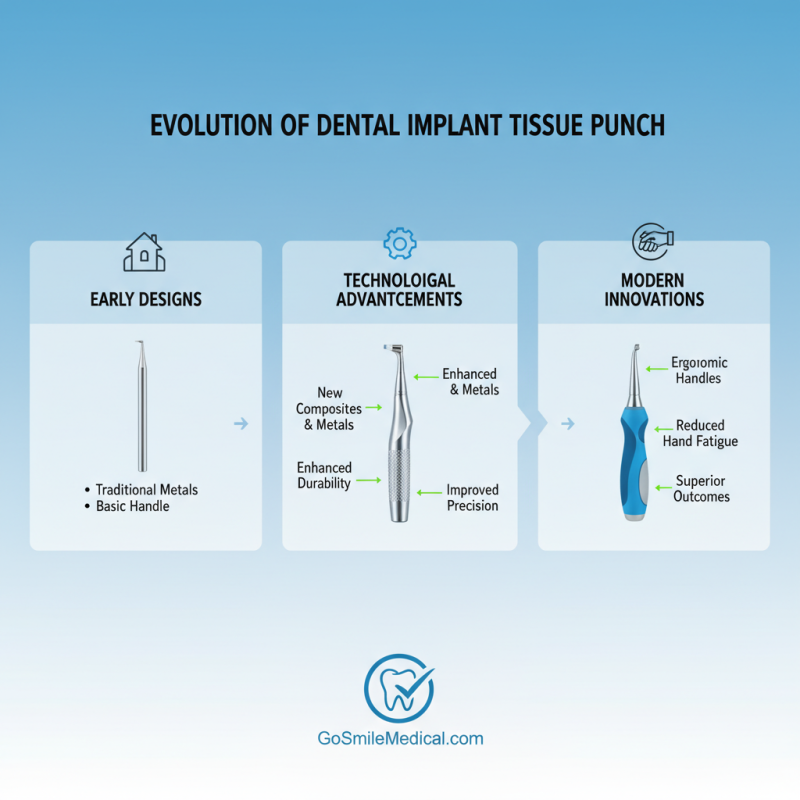
The evolution of Dental Implant Tissue Punches highlights the importance of technological advancements in design and materials. New composites and metals are being explored to enhance durability. Innovations now include ergonomic handles that reduce hand fatigue during procedures. These changes aim to improve precision and outcomes in oral surgeries.
Sustainability is becoming a focal point for manufacturers. Eco-friendly materials are gaining traction, reflecting a shift toward responsible production. However, sourcing sustainable materials remains challenging. The quality of biodegradable options can sometimes fall short, leading to a compromise in performance. Attention to detail is crucial in overcoming these hurdles.
Design features are also evolving. Some punches now include interchangeable tips to minimize waste. This innovation can be a double-edged sword as it creates more complexity in inventory management. Not all practitioners may find this beneficial, prompting the need for further reflection on user-compatibility. Ultimately, the focus on refining Dental Implant Tissue Punches reveals a blend of innovation and ongoing challenges in the industry.
The landscape of Tissue Punch manufacturing is evolving. More OEMs and ODMs are committing to sustainability. These shifts are not just trends; they are necessary. A focus on eco-friendly materials is on the rise. Manufacturers are sourcing biodegradable options for their tissue punch products. This reduces the carbon footprint during production.
Yet, challenges arise in implementing these practices. Some companies struggle to balance cost and sustainability. The initial investments can be high. Adopting greener technologies often requires a mindset shift. It’s easy to revert to traditional methods. However, the long-term benefits of sustainability are undeniable.
Innovations in recycling practices are emerging. More businesses are exploring closed-loop systems. This enables the reuse of materials in tissue punch production. For some, this journey has been bumpy. Feedback from the industry indicates mixed results. Despite setbacks, the movement towards sustainability is gaining momentum. The future looks promising for eco-conscious tissue punch manufacturing.
The tissue punch market is evolving rapidly. Key players are adapting to changing demands. According to recent industry reports, the market is expected to grow at a CAGR of 8.2% by 2026. This growth indicates an increasing interest among healthcare providers for innovative solutions.
Major players in this area focus on technology advancements and product diversification. They are enhancing their offerings through automation and precision engineering. A significant trend is the shift towards disposable tissue punches. These products are gaining popularity due to their hygiene benefits. However, concerns regarding environmental impact remain a challenge.
Smaller suppliers also play a crucial role. They often provide specialized products that meet niche market needs. Yet, they struggle to compete with larger firms in terms of research and development. This discrepancy can lead to a lack of innovation and missed opportunities. The competitive landscape is complex, highlighting the need for continuous improvement and adaptation in the tissue punch industry.
The tissue punch industry is evolving rapidly. By 2026 and beyond, we can expect several innovations. Technology is changing how these tools are designed and manufactured. Advanced materials are becoming more popular, leading to better durability and performance. Manufacturers are exploring lightweight options and user-friendly designs. This shift could enhance overall efficiency in medical procedures.
Moreover, sustainability is gaining importance in this sector. Companies are challenged to reduce waste and improve eco-friendliness. Recycling and biodegradable materials are emerging trends. However, the transition to sustainable practices is not without its hurdles. The industry must balance cost-effectiveness with environmental responsibility.
The demand for custom solutions is also on the rise. Different applications require specialized designs. This customization can drive up production costs. Manufacturers may need to rethink their strategies to meet these needs. Overall, while the future holds promise, it demands careful consideration of practicality versus innovation.
: The product aims to improve daily convenience. Users find it helpful in various tasks.
Use a damp cloth for cleaning. Avoid harsh chemicals. Regular care extends its life.
Generally, yes. Some users may face challenges. Assess your needs before trying.
Reach out for support. Feedback helps us improve. We value customer experiences.
It's designed for varied environments. However, extended exposure may wear it down. Monitor its condition.
There are no explicit restrictions. Supervision may be needed for younger users. Keep safety in mind.
It streamlines tasks. Users report saving time. However, individual results may vary.
Yes, most return policies allow this. Check specifics first. Returns should be in original condition.
Results may vary by user. Some notice changes quickly, while others might take longer. Patience is key.
Overlooking instructions is a common error. Take time to read carefully. Misuse can lead to poor results.
The article "2026 Top OEM ODM Tissue Punch Supplier Trends and Innovations" provides a comprehensive overview of the upcoming trends and innovations shaping the tissue punch manufacturing industry. It highlights emerging trends for 2026, focusing on key innovations that enhance efficiency in both OEM and ODM tissue punches. The market analysis indicates a growing demand and evolving supply trends, driven by technological advancements in materials and design. Furthermore, it emphasizes the importance of sustainability practices adopted by leading tissue punch manufacturers.
In addition, the article explores the competitive landscape of the tissue punch market, identifying major players and their strategies. It concludes with future prospects, offering predictions for the tissue punch industry beyond 2026, underscoring the potential for continued growth and innovation. Overall, the article serves as a valuable resource for understanding the dynamic changes in the tissue punch sector.