Leave Your Message
0%

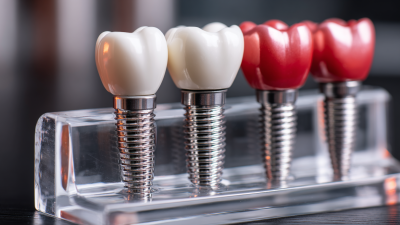
As more and more folks are looking for effective dental solutions, it's really important to understand what makes a good Dental Implant Kit. Dr. Sam Johnson from Apex Dental Innovations, who’s pretty much an expert in dental implants, mentioned, 'Having the right tools in your Dental Implant Kit can seriously make a big difference when it comes to patient outcomes.' That really highlights how crucial it is for dental pros to stay in the know.

A quality Dental Implant Kit can make your procedures way smoother. Usually, you’ll find key stuff like tough drills and accurate surgical guides inside. But here’s the thing—not all kits are the same. Some might be missing certain features needed for different implant types, which can cause hiccups during surgery.

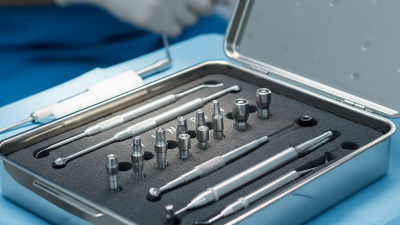
Also, don’t forget about keeping your equipment in check, like the Dental Implant Screw Removal Kit. Regular maintenance and checks help ensure everything stays reliable and works well when you need it. The choices you make when picking out a Dental Implant Kit really matter—they can affect how smoothly your practice runs and how satisfied your patients are. Picking the right one can lead to great results, but it also means you should keep up with the latest industry updates and advancements.
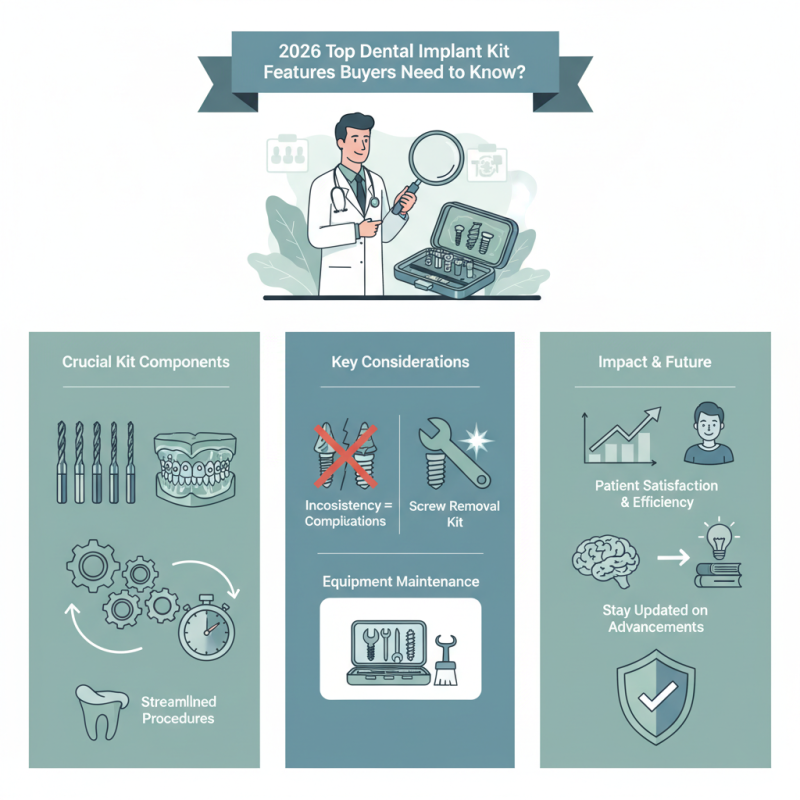
2026 Top Dental Implant Kit Features Buyers Need to Know?

Key Features to Consider When Buying Dental Implant Kits

When purchasing a Dental Implant Kit, it's essential to understand key features that ensure reliable performance. According to research, up to 20% of dental implants can fail due to improper tooling or low-quality components. This statistic highlights the importance of selecting a high-quality Dental Implant Kit.

One critical aspect to consider is the materials used in the kit. Titanium and zirconia are common choices, known for their biocompatibility and strength. A well-designed kit should include components that are corrosion-resistant and long-lasting. Moreover, user feedback often indicates that intuitive design leads to better surgical outcomes. Easy-to-use instruments improve efficiency and reduce surgery time.

Another factor is the availability of comprehensive guides or training resources. Many professionals report feeling uncertain when using new tools. Access to detailed instructions can enhance expertise. A clear understanding of techniques increases implant success rates. Research shows that practitioners with proper training can reduce complications significantly. Thus, ensuring that your Dental Implant Kit comes with reliable support material is vital for effective use.

Types of Dental Implant Kits Available in 2026

2026 Top Dental Implant Kit Features Buyers Need to Know?

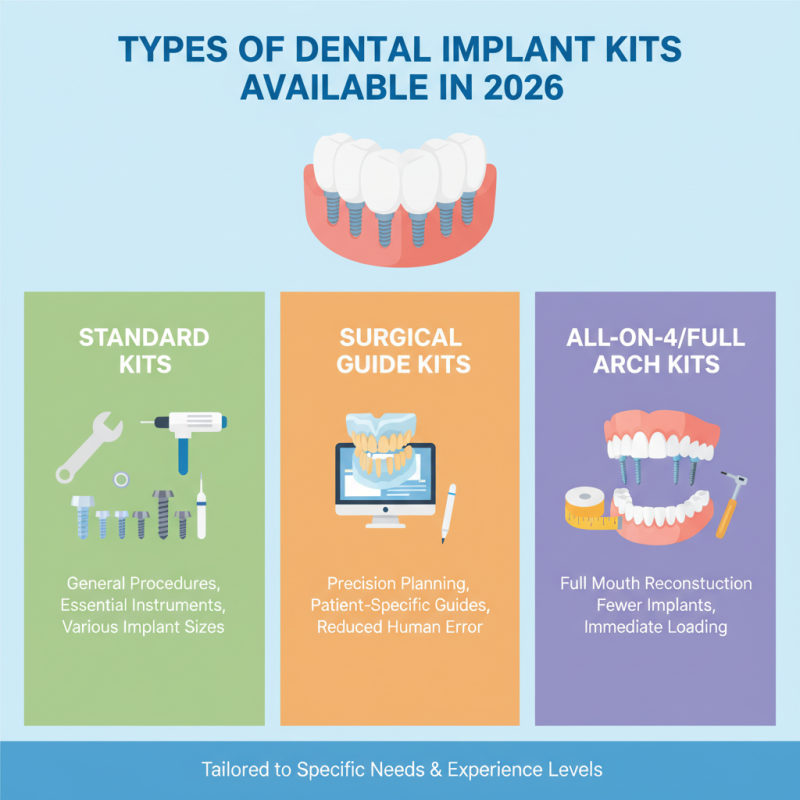
In 2026, the variety of dental implant kits is expanding. Dental professionals now have different options tailored to their specific needs. These kits come equipped with various instruments, surgical guides, and implant components. Each kit is designed for unique procedures and levels of experience.

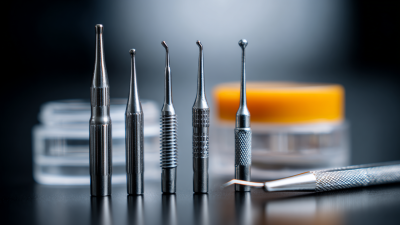
One common type is the "Dental Implant Surgical Kit." These kits often include surgical drills, implant drivers, and depth gauges. The tools in these kits aim to enhance precision during surgeries. Some kits focus on immediate implant placement, while others are designed for delayed loading. Observing the differences is crucial for practitioners.

However, many dentists face challenges when choosing the right kit. Sometimes, an all-in-one approach may overlook specialized tools necessary for complex cases. It's worth considering that what works for one procedure might not suit another. Continuous learning and adaptation are vital. Each surgical experience contributes to a better understanding of these kits. So, keep an open mind and refine your selection process over time.

Essential Tools Included in a Comprehensive Dental Implant Kit

2026 Top Dental Implant Kit Features Buyers Need to Know?

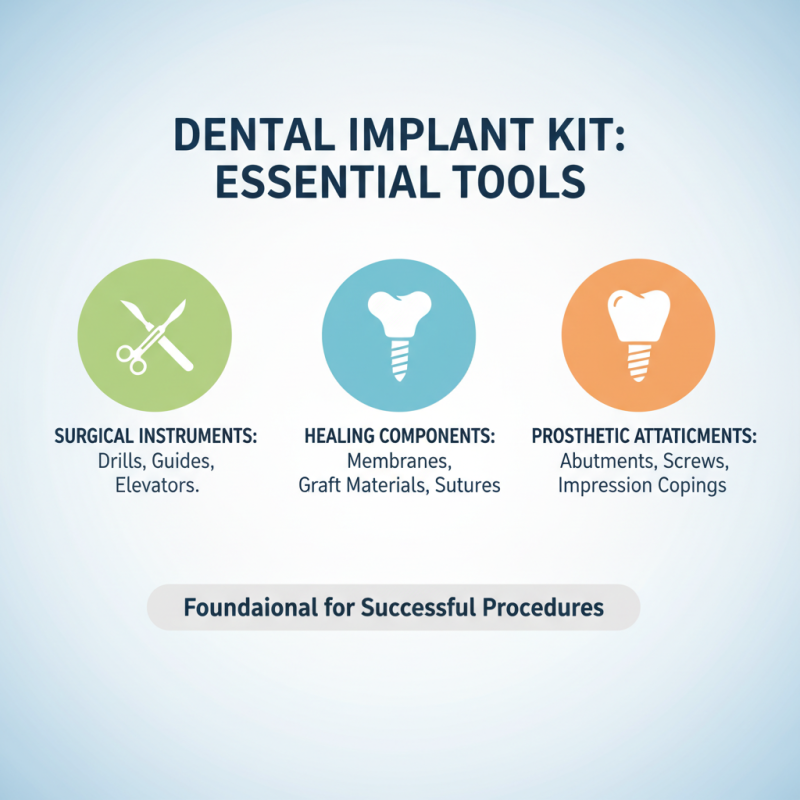
When considering a comprehensive dental implant kit, it's crucial to understand the essential tools included. A well-rounded kit will typically feature items like surgical instruments, healing components, and prosthetic attachments. These tools are foundational for any professional looking to provide effective dental implant services. Each component serves a specific purpose and enhances the overall success of implant procedures.

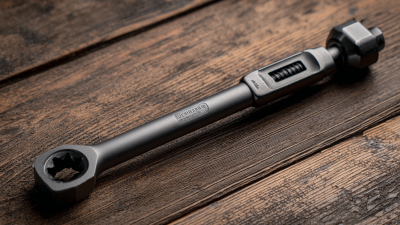
In addition to the basic tools, specialized items can improve patient outcomes. For instance, torque wrenches ensure proper placement of implants, while bone grafting kits aid in addressing bone deficiencies. Including a Dental Implant Repair Kit is a smart choice for handling unexpected complications. It equips practitioners with the means to manage fractures or failures effectively.

A great kit should also consider ease of use and organization. Clear labeling and ergonomic design make it easier for dental professionals to locate tools quickly. However, some kits may lack specific essentials or be overly complex, leading to inefficiencies. Thus, practitioners must evaluate their needs carefully to ensure they have a balanced set of instruments. Overall, choosing the right dental implant kit can significantly influence practice success and patient satisfaction.

Innovations in Dental Implant Technology for 2026

In 2026, dental implant technology will witness remarkable advancements. Innovations focus on enhancing efficiency and patient comfort. The integration of smart technology is one exciting trend. Digital planning tools allow precise customization of implants tailored to individual anatomy. A 3D printer can create guides that reduce surgery time and improve accuracy.


Moreover, biocompatible materials are evolving. These new substances promise better integration with bone. They offer increased durability and lower rejection rates. Patients can expect shorter healing times with some of these innovations. Emerging techniques also include the use of stem cells to regenerate bone. This area is still developing but holds great potential.


However, challenges remain. Training and education for practitioners are crucial. Not all dental professionals may stay updated with rapid advancements. Quality control of new materials must be prioritized. Some techniques may only work for specific cases. Balancing innovation with proven methods is essential for patient care. Keeping up with these changes is a journey professionals must face.

Factors Influencing the Cost of Dental Implant Kits

The cost of dental implant kits can vary significantly based on various factors. One of the main influencers is the materials used in the kits. High-quality titanium implants, for instance, may commanding a higher price due to their durability and biocompatibility. A report from the Journal of Dental Research highlights that titanium offers a 90% success rate, making it a preferred choice for many professionals.

Another factor to consider is the complexity of the kit itself. Comprehensive kits that include surgical guides, drills, and tools will naturally be more expensive. A survey of dental professionals found that over 70% prefer kits that provide these essential components, emphasizing the link between price and usability. Additionally, regional differences can play a role. Costs can fluctuate depending on local market conditions and demand for dental implants.

Training and support also influence pricing. Kits that come with educational materials or access to online training may be priced higher. The Academy of Osseointegration suggests that investment in training can lead to better patient outcomes over time. Evaluating these factors helps buyers make informed decisions, ensuring they select a kit that meets both their clinical needs and budget constraints.

Safety and Sterilization Standards for Dental Implant Tools

When it comes to dental procedures, safety and sterilization are paramount. Dental professionals must ensure that all tools are hygienically managed. This is especially true for instruments used in implant procedures. The Dental Implant Driver Kit is no exception. It needs to meet stringent safety protocols to prevent infections and other complications.

Sterilization standards require that all tools be properly cleaned and disinfected. Many dentists follow guidelines set by health authorities. However, gaps in knowledge still exist. It's essential to invest in training for staff. The correct sterilization techniques should be routine, yet many practices falter in adherence to these guidelines.

Choosing the right dental implant driver kit involves more than just cost. It requires insight into its sterilization capabilities. Not every kit may live up to expectations. Some may not be as robust in sterilization processes. Practitioners should regularly evaluate their tools and update procedures as needed. This practice enhances patient safety and contributes to overall treatment success.

Choosing the Right Implant Kit for Different Dental Procedures

When selecting the right dental implant kit, understanding the specific needs of various procedures is crucial. Different implants serve unique purposes. For example, some kits focus on immediate implants while others cater to complex reconstructions. Knowing these differences can greatly impact the treatment outcome.

Tips for choosing the right kit: always consider the specific procedure being performed. Talk to experienced professionals about their preferences. Listen to their insights; these can offer real-world applications. A kit's features should align with the techniques most commonly used in your practice.

Another factor to weigh is the ease of use. Some kits are better suited for novice practitioners, while others may be advanced. Be mindful that not all kits come with comprehensive support. This can leave you in a challenging position during critical procedures. Take the time to evaluate the training resources available with each kit. Feedback from peers can lead to more informed choices.

Enhancing Surgical Precision: The Role of Dental Claw Drills in Efficient Removal of Broken Screws in Oral Surgery

In the dynamic field of oral surgery, achieving surgical precision is paramount, especially when it comes to the removal of broken screws from dental implants. The advancement of specialized tools such as dental claw drills has revolutionized this process, enabling surgeons to address complications with increased efficiency and confidence. The design of these drills allows for a more targeted approach, minimizing trauma to the surrounding tissue while effectively extracting broken screws.

One such tool designed for this purpose is equipped with multiple diameters, tailored to accommodate various screw sizes. This versatility ensures that both broken abutment screws and central screws can be addressed swiftly. With four carefully calibrated sizes, ranging from smaller to larger diameters, dental surgeons can select the ideal option based on the specific requirements of the case. This adaptability not only enhances surgical outcomes but also significantly reduces procedure time, thereby benefiting both patients and practitioners alike.

Incorporating these advanced instruments into routine oral surgery procedures marks a significant step forward in patient care. The ability to efficiently remove broken screws not only alleviates the patient's discomfort but also restores the integrity of the dental implant system. As the field continues to evolve, the integration of such specialized tools will play a crucial role in driving innovation and improving surgical precision.

FAQS

: Why is safety important for dental implant tools?

: Safety ensures no infections occur. Proper hygiene protects both patients and dentists.

How should dental tools be sterilized?

Tools must be cleaned and disinfected following health authority guidelines. Regular training is crucial for staff.

What are common issues with sterilization practices?

Many practices struggle to adhere to sterilization protocols. Knowledge gaps exist among dental staff.

Is cost the only factor to consider when choosing an implant kit?

No, sterilization capabilities and features are important too. A lower price doesn’t always guarantee quality.

How can practitioners ensure their tools are effective?

Regular evaluations of tools and update procedures are needed. This enhances patient safety significantly.

What should I consider for different dental procedures?

Each procedure has unique needs. Understanding these differences impacts treatment success rates directly.

Are all dental implant kits suitable for everyone?

No, some are designed for novices, while others cater to advanced practitioners. Choose based on skill level.

What if a kit lacks support resources?

Lack of support can create difficulties during procedures. Always verify available training resources before selection.

Conclusion

When considering a Dental Implant Kit in 2026, buyers should be aware of key features that significantly impact the effectiveness of their dental procedures. Essential tools included in a comprehensive kit, such as implant drivers, abutment drivers, and surgical guides, are critical for ensuring precision and safety during implant surgery. Additionally, various types of kits are available, tailored for different procedures and levels of complexity.

Innovations in dental implant technology are leading to more efficient tools and materials, enhancing patient outcomes. However, potential buyers must also factor in the cost of these kits, as it can vary based on included features and technological advancements. Safety and sterilization standards are paramount, and understanding these criteria will help practitioners select the most appropriate Dental Implant Kit for their needs, ultimately ensuring a successful surgical experience.
Lily

Lily

Lily is a seasoned marketing professional at Gosmile Medical Technology, a high-tech factory based in Dongguan since 2017. With an acute understanding of the dental and medical device industry, she plays a pivotal role in showcasing the company's commitment to excellence. Gosmile is ISO-certified......
Previous Top Tips for Choosing the Best Implant Surgical Kit?