Leave Your Message
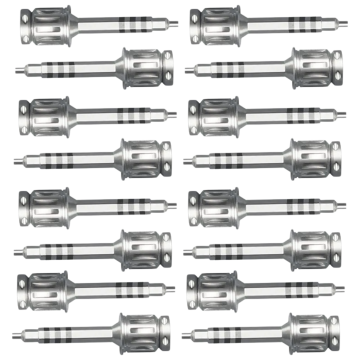
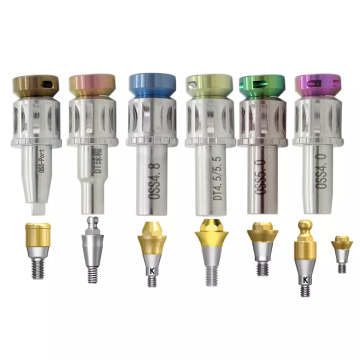
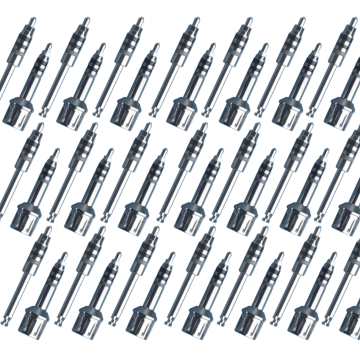
Explore our high-precision abutment drivers and adapters, designed for seamless integration with leading dental implant platforms.
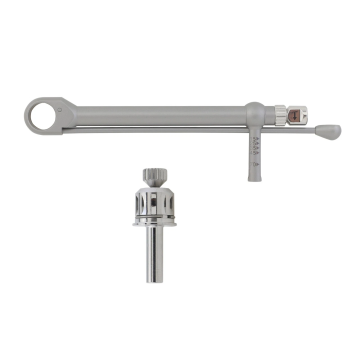
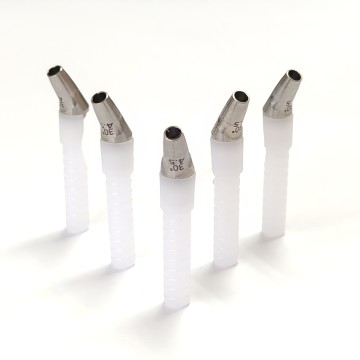
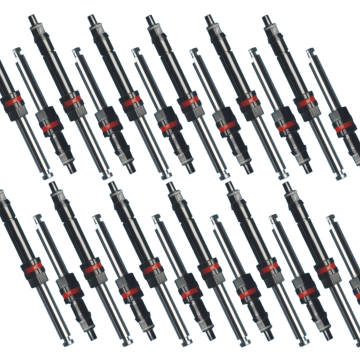
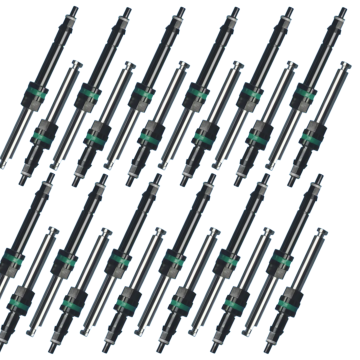
In modern dental implantology, the successful long-term outcomes of implant-supported restorations do not rely solely on the biological osseointegration of the titanium fixture. The mechanical integrity of the implant-abutment connection is equally critical. An abutment driver serves as the indispensable link between the clinician's hand, the torque control instrument, and the micro-screw that secures the prosthetic components. Precision-engineered abutment drivers are essential to deliver predictable tightening torque, preventing both under-torque (which causes micro-movements and screw loosening) and over-torque (which leads to screw deformation, driver stripping, or internal implant thread failure).
Screw loosening is one of the most common prosthetic complications in dental implant treatments, affecting up to 15% of restorations. Using a calibrated torque control wrench combined with a high-tolerance, system-specific abutment driver reduces this risk to less than 1%.
Prosthetic restoration involves complex biomechanical forces. When an implant is loaded during mastication, the screw joint is subjected to cyclic compression, tension, and shear forces. Properly tightening the abutment screw creates a clamping force—known as preload—which holds the abutment and implant together. Achieving the optimal preload requires precise torque transmission. An abutment driver must fit the screw head with near-zero tolerance to ensure that rotational torque is converted efficiently into linear preload, without stripping the delicate drive pattern (hexagonal, Torx, slot, or custom geometric designs).
Manufactured from medical-grade titanium and ultra-hard stainless steel to prevent wear and deformation.
Designed with micrometric precision to eliminate play, ensuring maximum torque transmission efficiency.
Full compatibility with standard manual and digital surgical torque control instruments.
The dental implant industry is undergoing a significant transformation driven by digitization, material science advancements, and a focus on patient safety. Historically, clinicians relied on manual tactile feedback to tighten abutment screws. However, studies have repeatedly demonstrated that manual tightening is highly variable and inaccurate. Today, the commercial standard demands the integration of calibrated torque wrenches and dedicated torque control adapters.
From an industrial perspective, manufacturers are focusing on durable coatings and advanced metallurgy. Carbon-like coatings (DLC - Diamond-Like Carbon) and specialized heat treatments are increasingly applied to abutment drivers to enhance surface hardness, reduce friction, and extend the lifespan of the tool through repeated sterilization cycles. Furthermore, as multi-unit restorations and immediate loading protocols become standard, the demand for angled and straight multi-unit drivers compatible with diverse systems (such as Nobel Biocare, Dentium, Warant, and Straumann) has skyrocketed.
Commercially, dental laboratories and clinical clinics are moving toward universal driver kits. These kits minimize the capital required to support multiple implant brands, enabling seamless transitions between different prosthetic platforms during complex full-arch reconstructions. Providing high-quality, long-lasting clinical instruments has become a major differentiator for dental OEMs and distributors worldwide.
Our specialized abutment drivers, surgical drills, and prosthetic components support a wide range of clinical procedures, ensuring precision and safety.
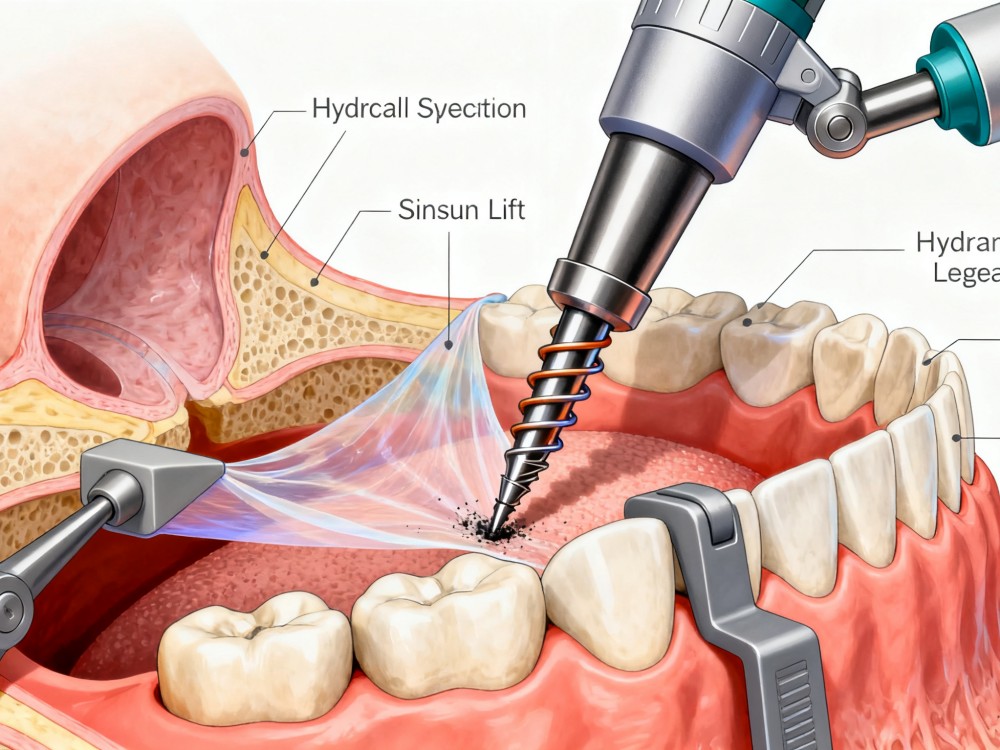
Special drill design ensures safer hydraulic membrane elevation, allowing implant placement in compromised posterior maxilla areas.
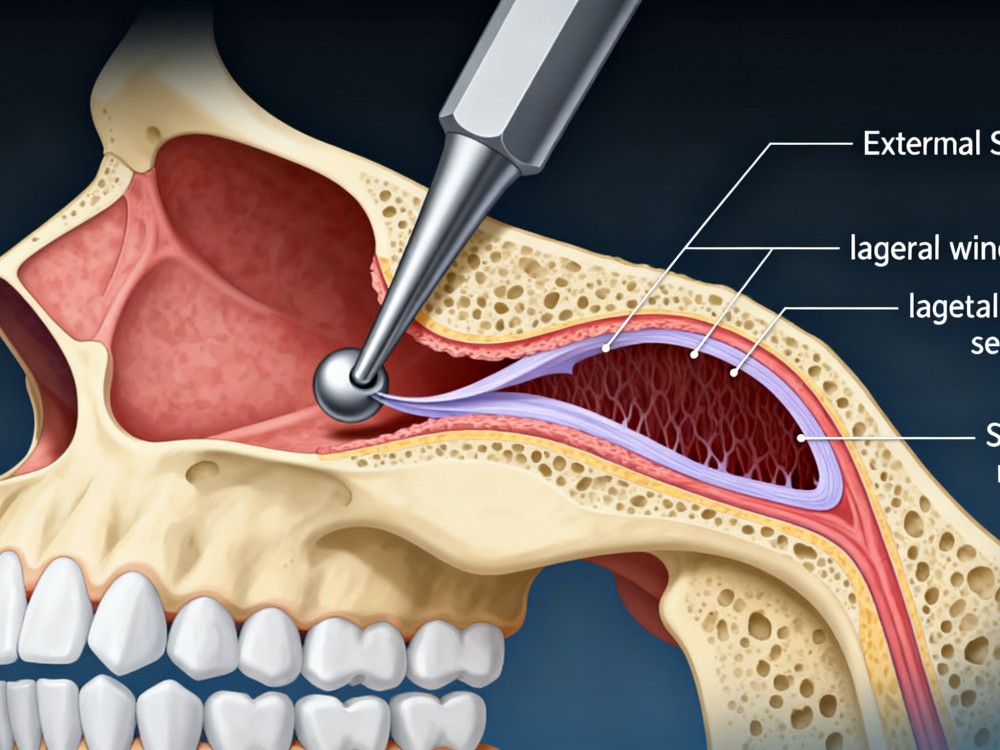
By opening a lateral window in the sinus wall, our specialized sinus lifters ensure safe and precise membrane separation.
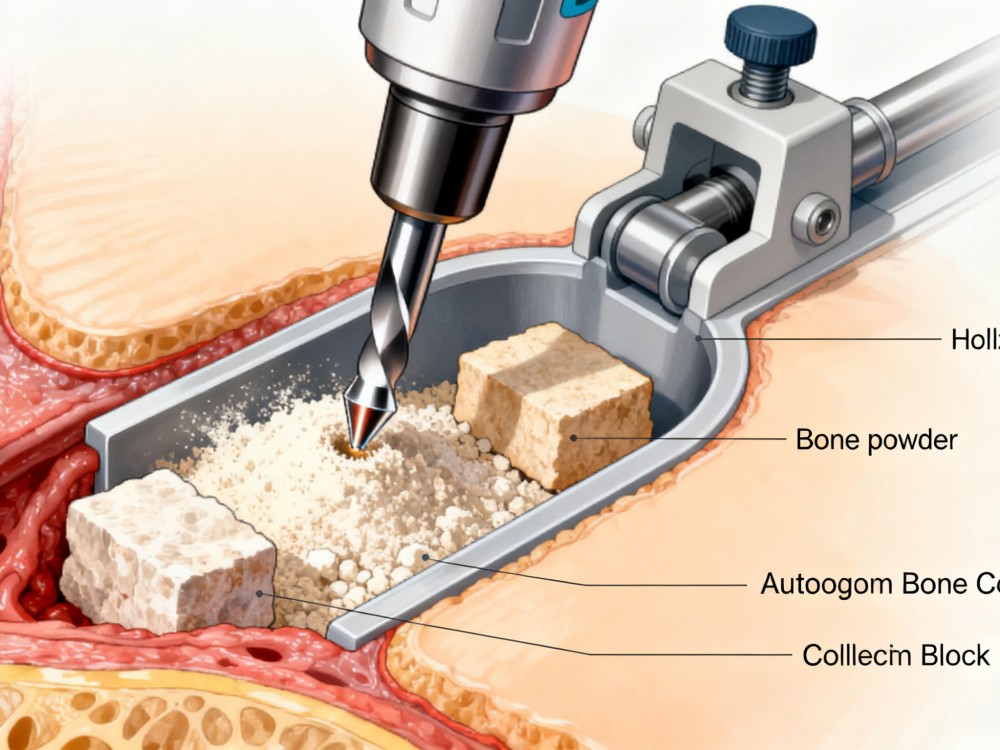
The hollow drill design minimizes bone loss and enables the efficient collection of autogenous bone powder and bone blocks.
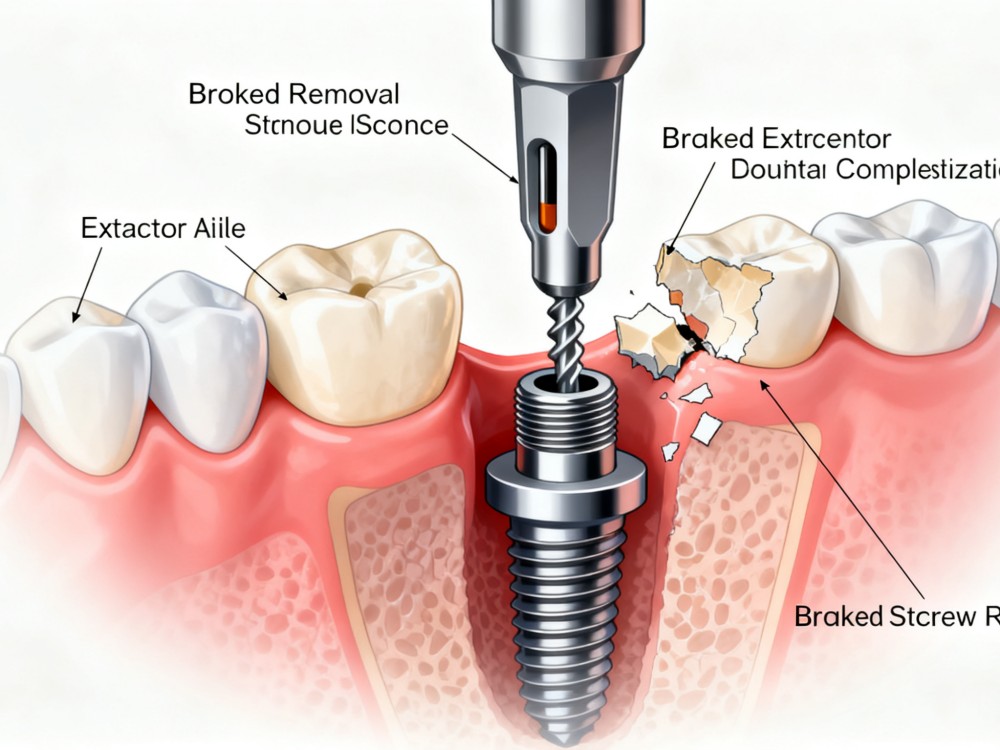
Whether it is a fractured abutment screw, central screw, or stripped screw, we provide comprehensive removal solutions using high-grip extraction drivers.
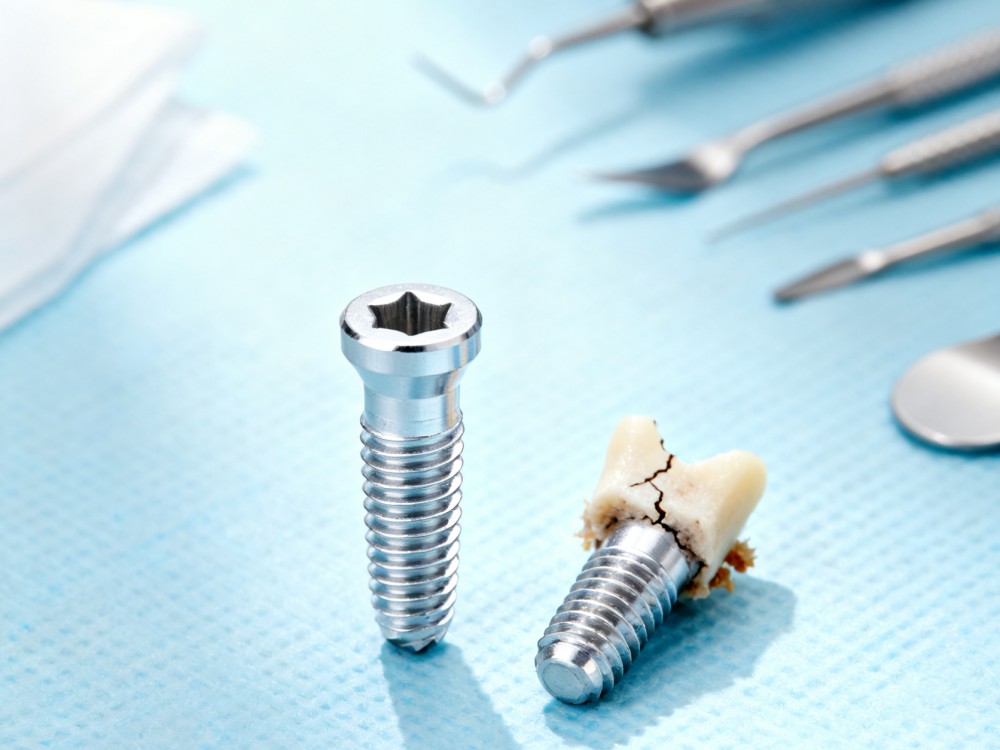
We offer advanced solutions for extracting both fractured/damaged implants and intact implants while preserving surrounding bone.
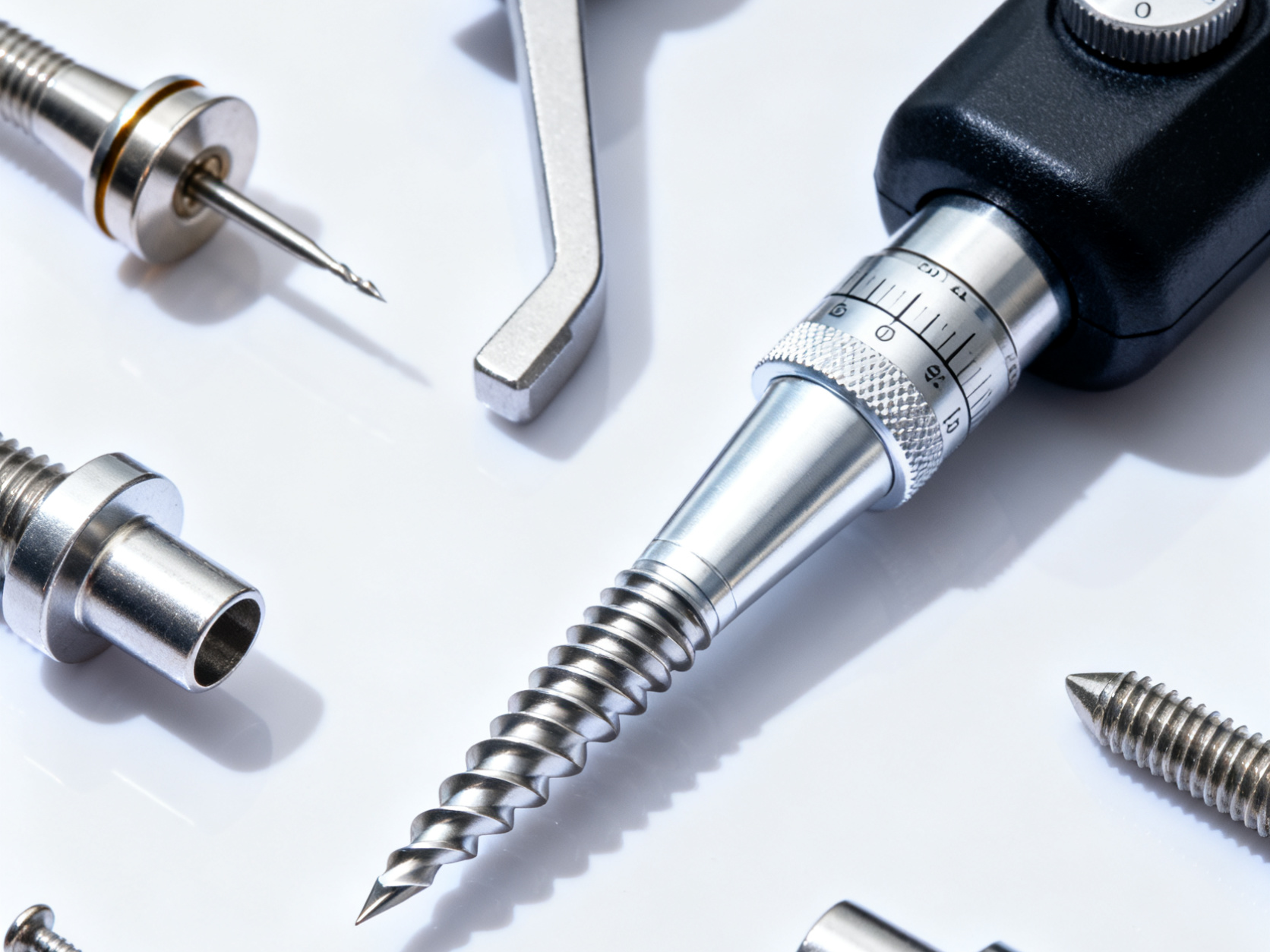
Our product range includes implant drills, torque wrenches, and related accessories to support precise initial placement across various implant systems.
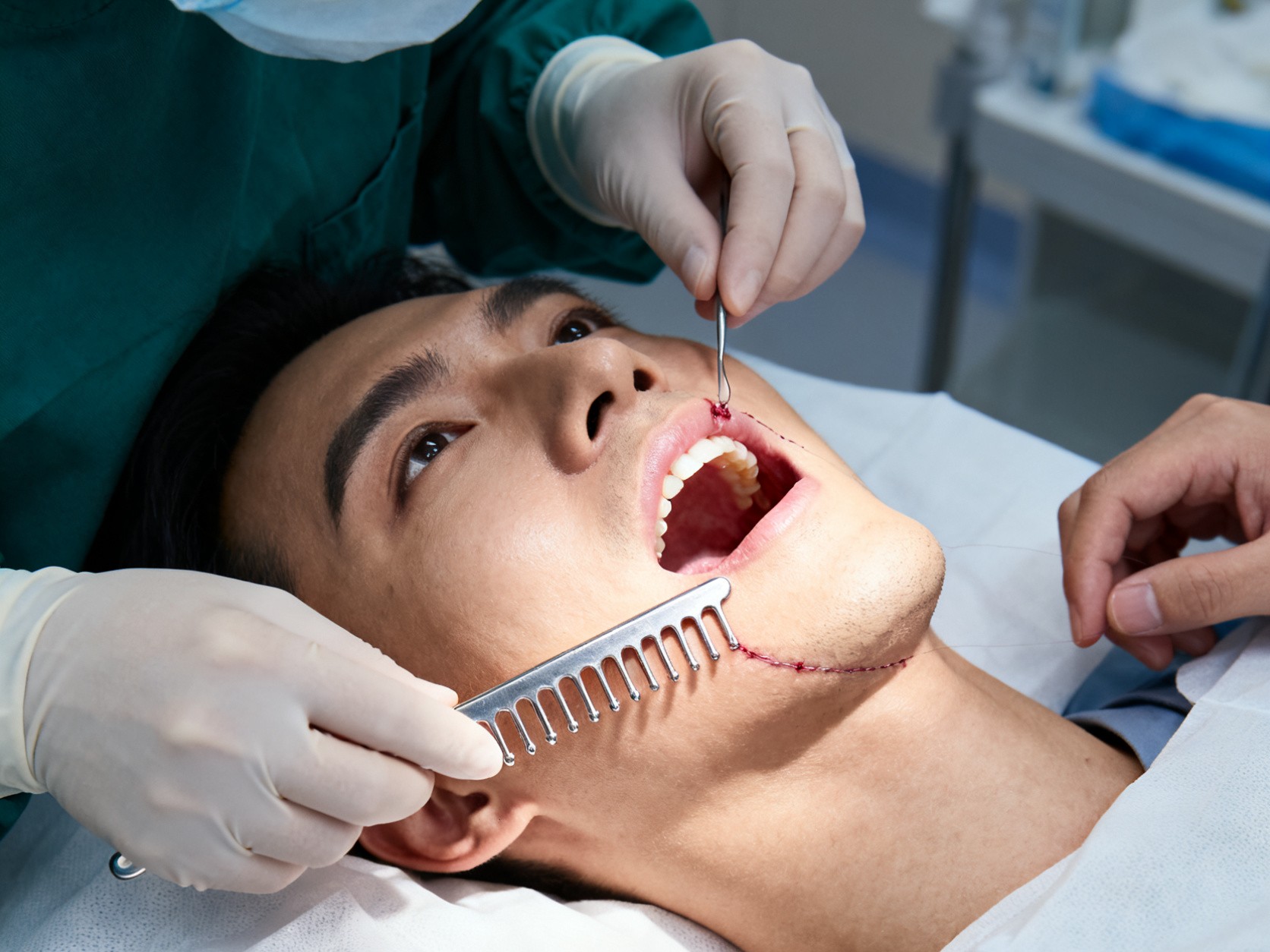
Our tension comb is designed for gingival soft tissue extension procedures, facilitating tension-free primary closure.
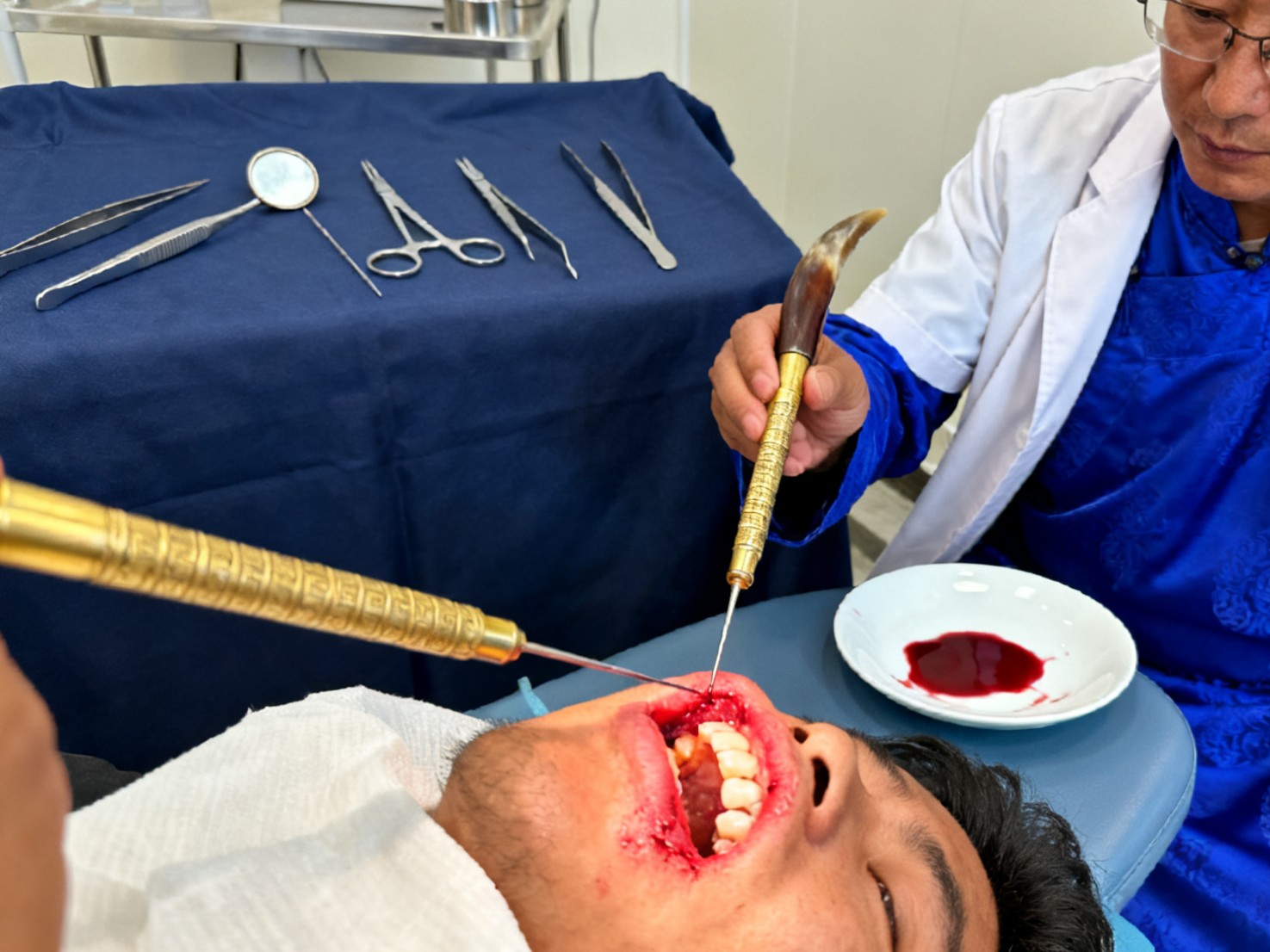
Expanding beyond dental applications, our high-precision triangular needles are also applied in traditional acupuncture and bloodletting therapy.
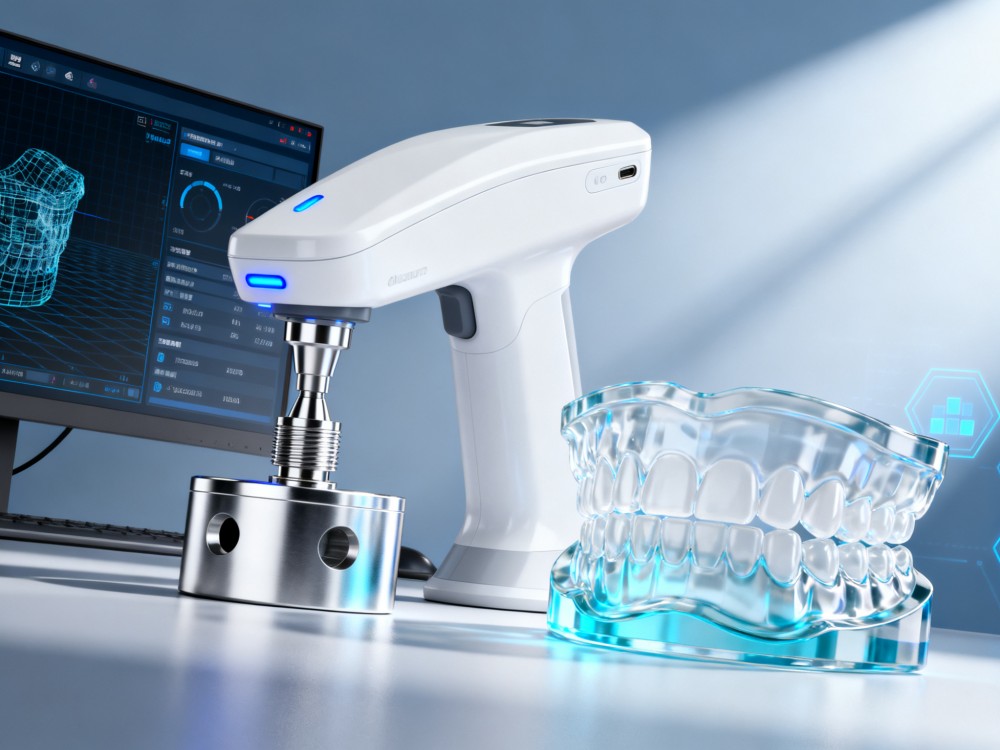
We provide customized scan bodies, scan abutments, and 3D analogs integrated with major databases to support your seamless digital CAD/CAM workflow.
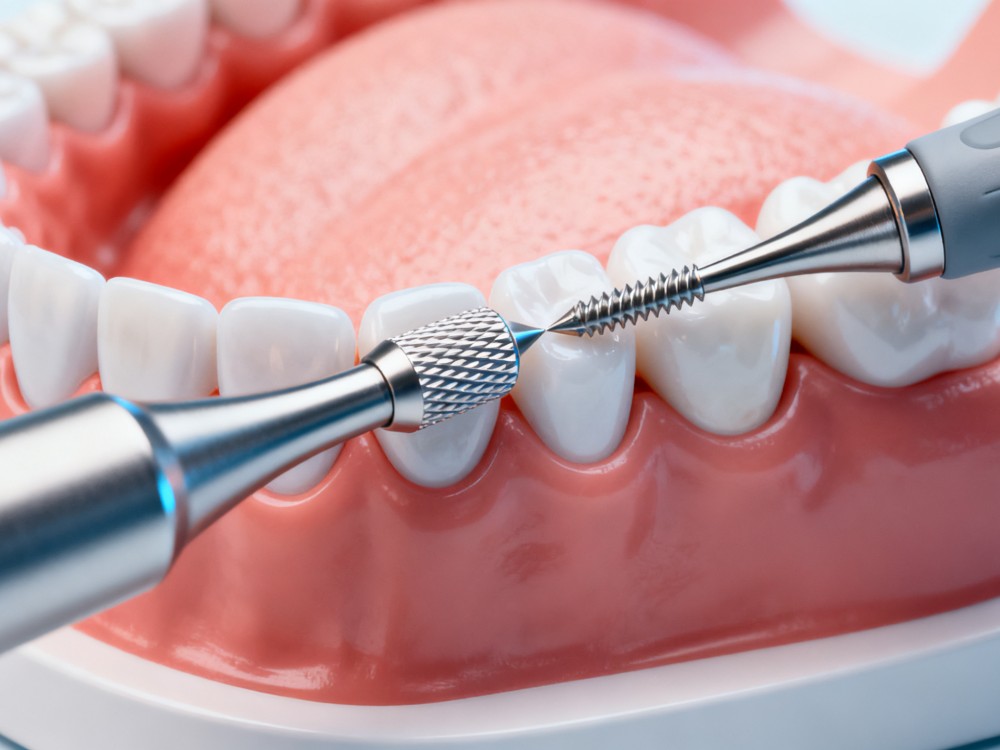
In combination with bone expansion drills, our tools facilitate controlled expansion and shaping of narrow alveolar ridges.
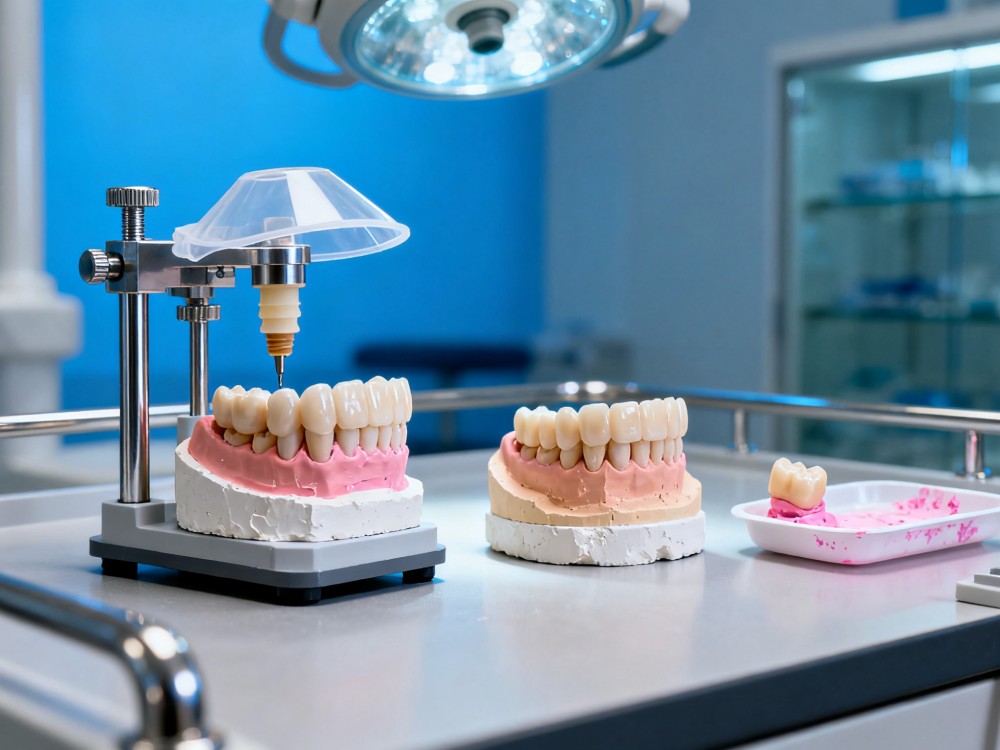
Our analogs, transfer posts, temporary abutments, and protective caps ensure comprehensive prosthetic accuracy from lab to clinic.

Our precision instruments assist students and practitioners in simulated surgery practice, clinical teaching, and hands-on training.
The physics behind the screw joint in dental restorations is complex. The primary goal of tightening the abutment screw is to achieve the optimal clamping force. This force is determined by the screw's material properties, thread design, and the applied torque. If the torque is too low, the clamping force will be insufficient, resulting in a loose screw. A loose screw allows micro-movements, which lead to micro-gaps at the implant-abutment interface. These gaps can harbor bacteria, leading to peri-implantitis and bone loss, and eventually causing mechanical failure of the implant assembly.
Conversely, if the torque is too high, the screw can exceed its yield strength, resulting in plastic deformation. Once a screw undergoes plastic deformation, it loses its elasticity and can no longer maintain the required preload. This can lead to screw fracture inside the implant, a highly challenging clinical scenario that requires specialized removal tools. Therefore, utilizing a calibrated manual torque wrench or an electronic torque-controlled motor is essential. Our abutment drivers are manufactured to exact tolerances to ensure that the torque reading on the wrench corresponds precisely to the torque delivered to the screw head.
Always refer to the manufacturer's specific torque recommendations (typically ranging from 15 Ncm for healing caps to 35 Ncm for final abutments). Never reuse temporary screws for final restorations, as they may have already undergone micro-deformation.
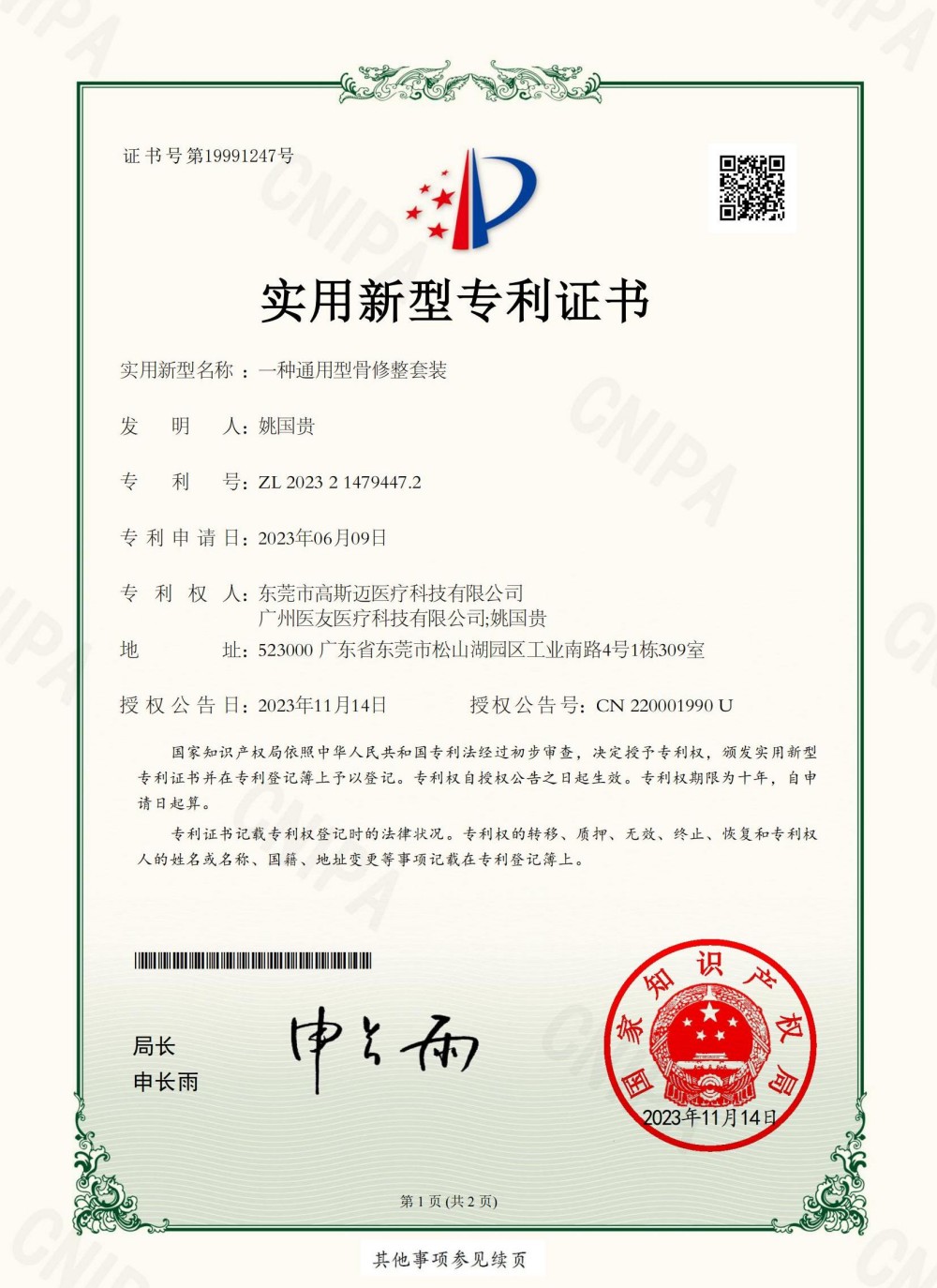
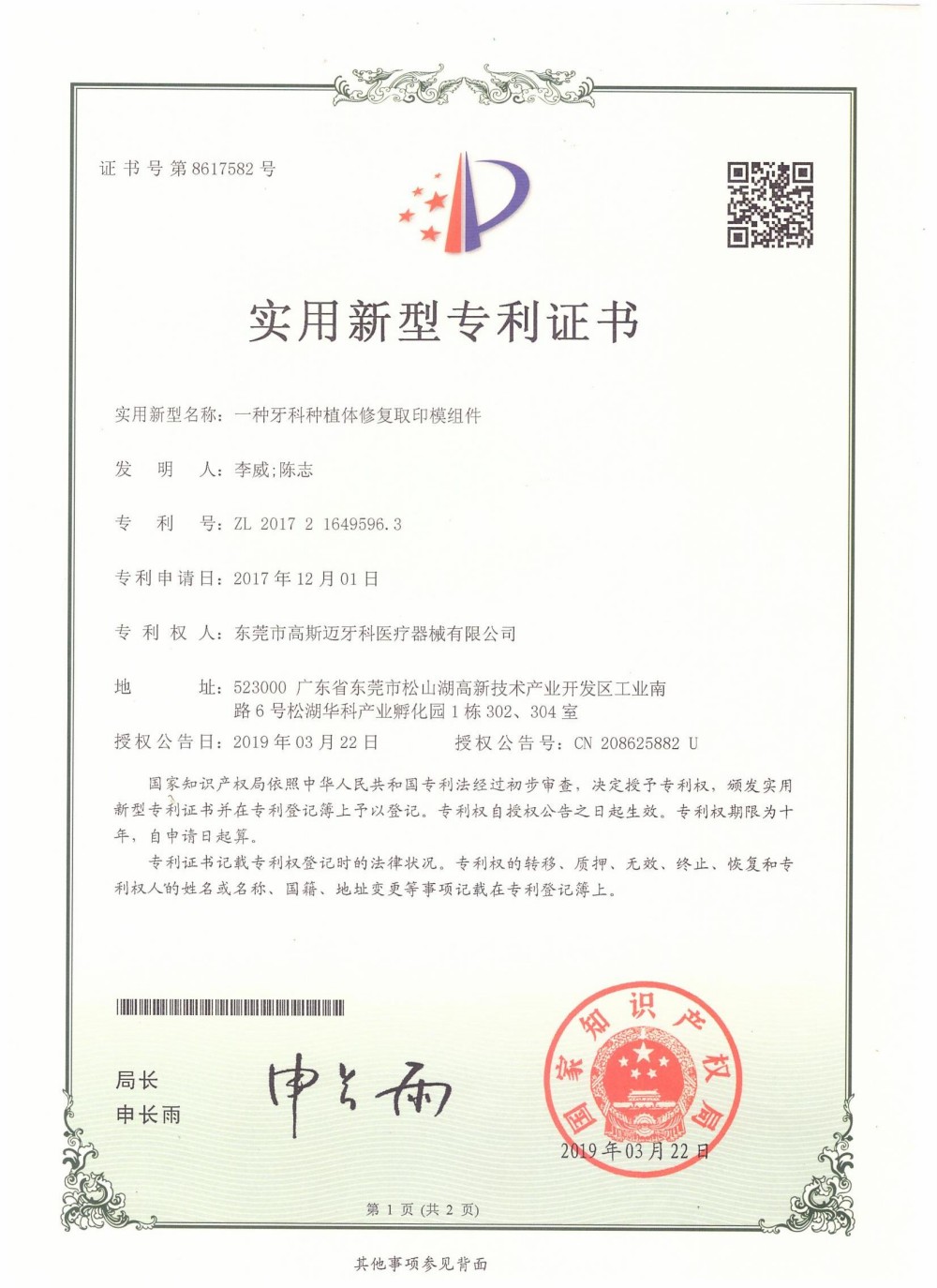
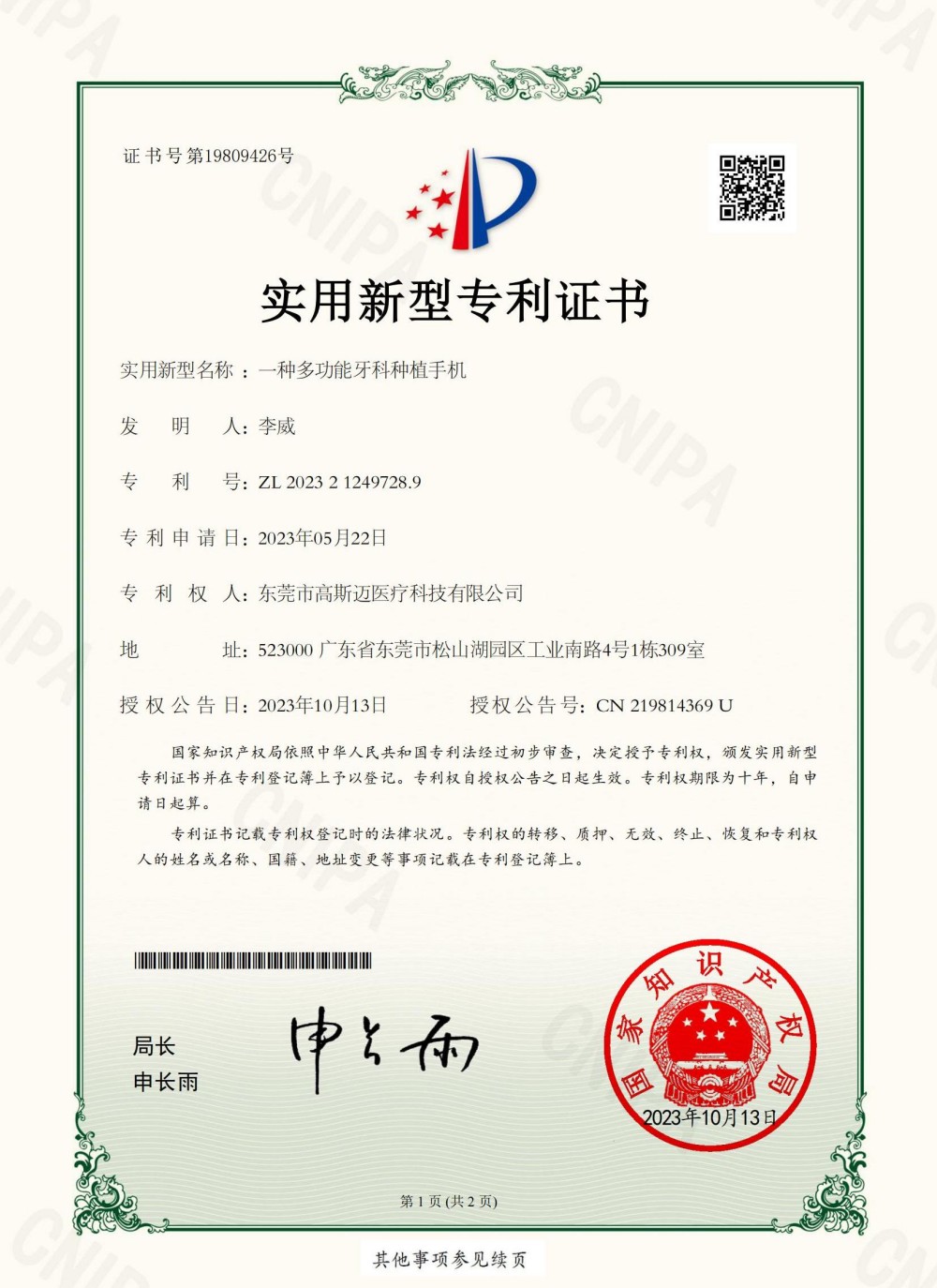
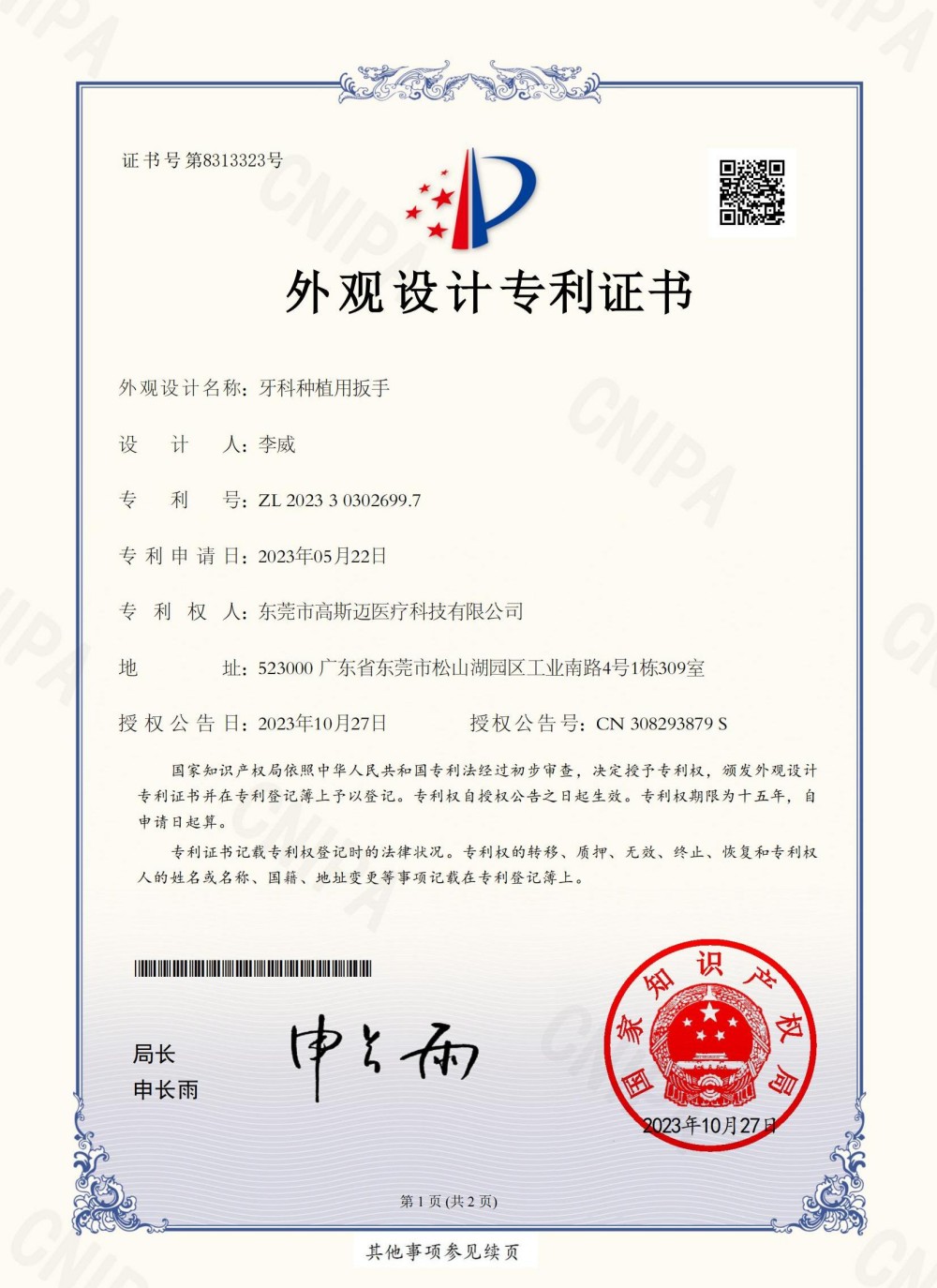
Our manufacturing facility operates under strict medical-grade quality management systems, ensuring every instrument meets international clinical requirements.
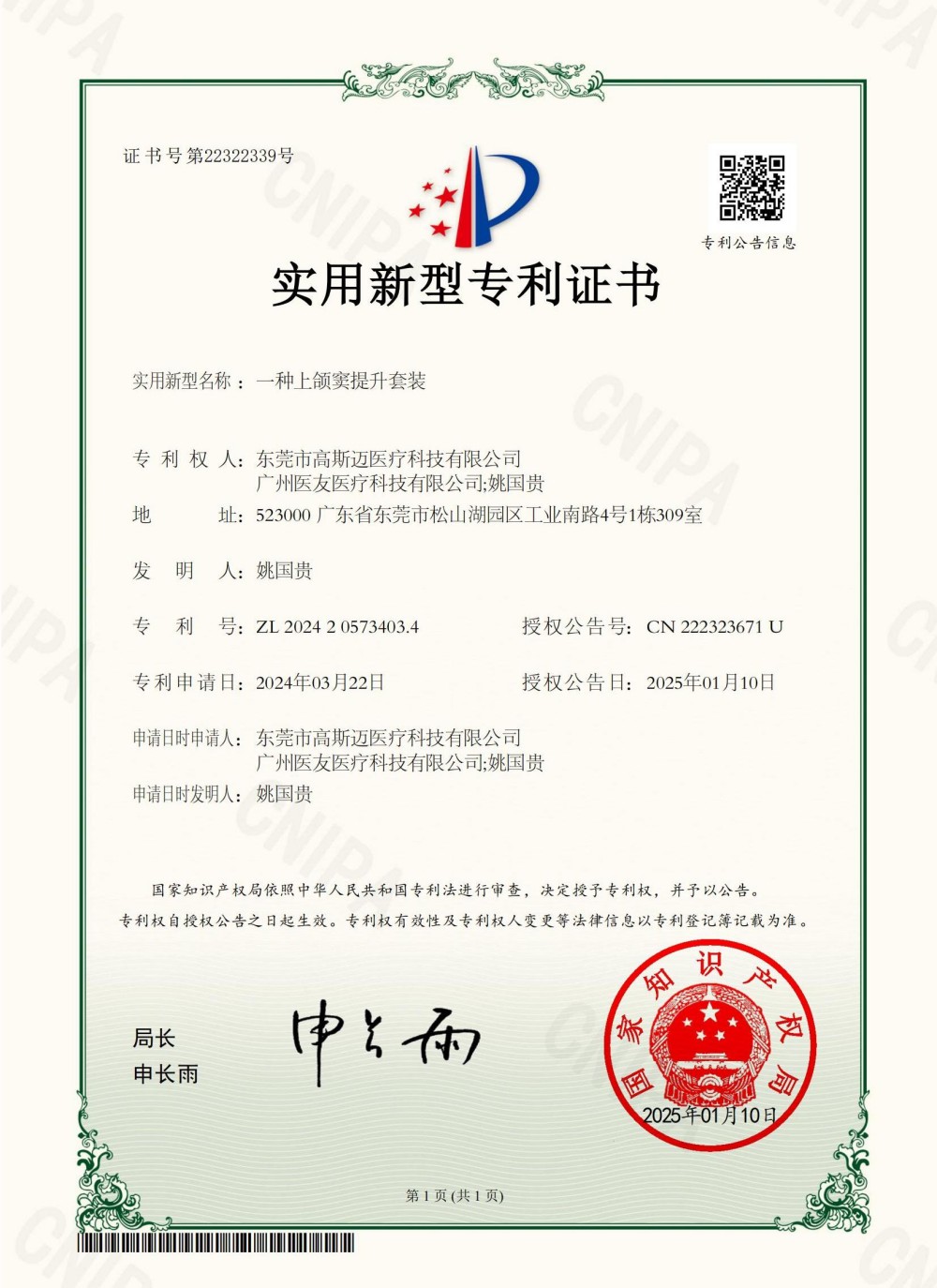
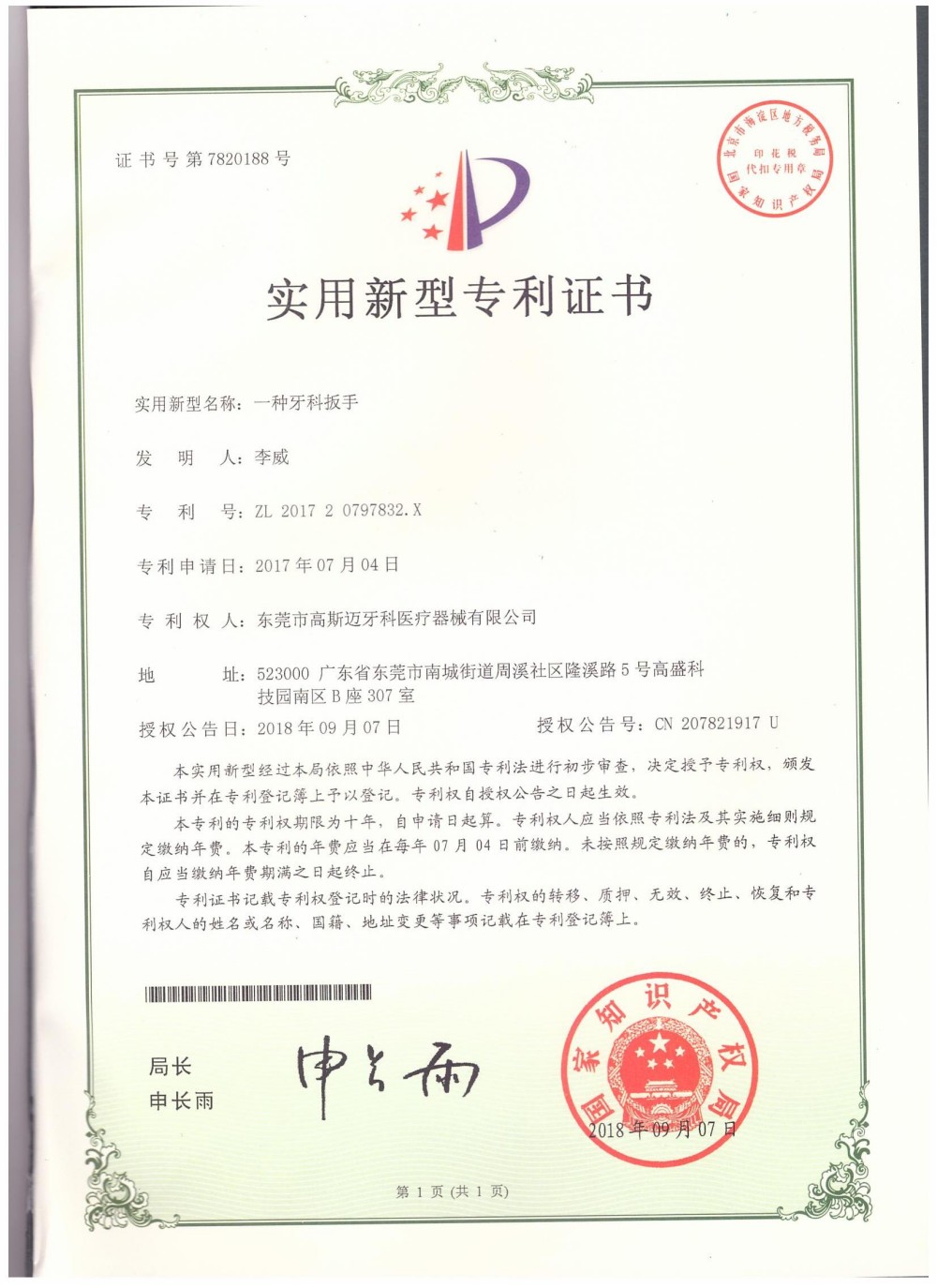
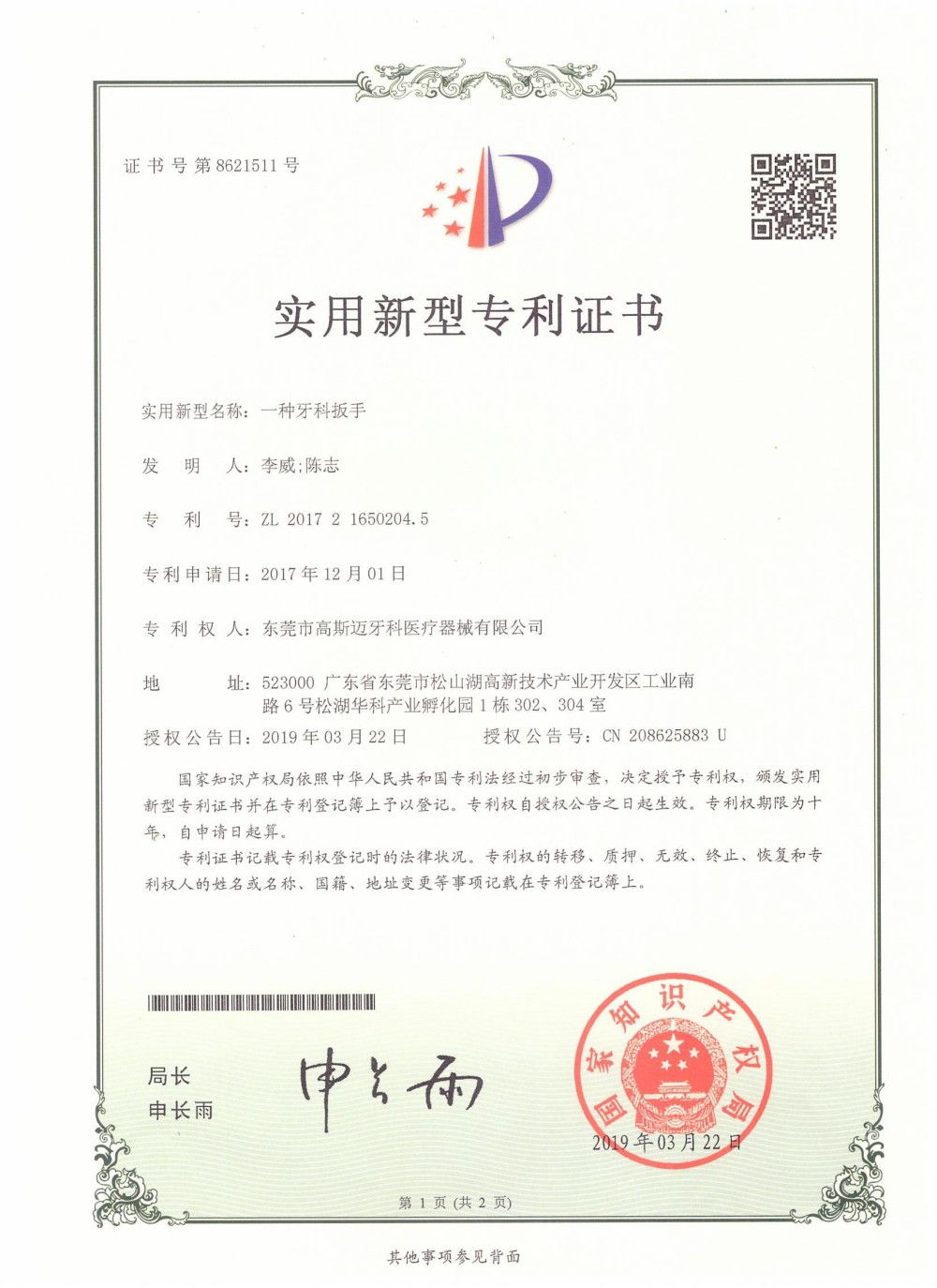
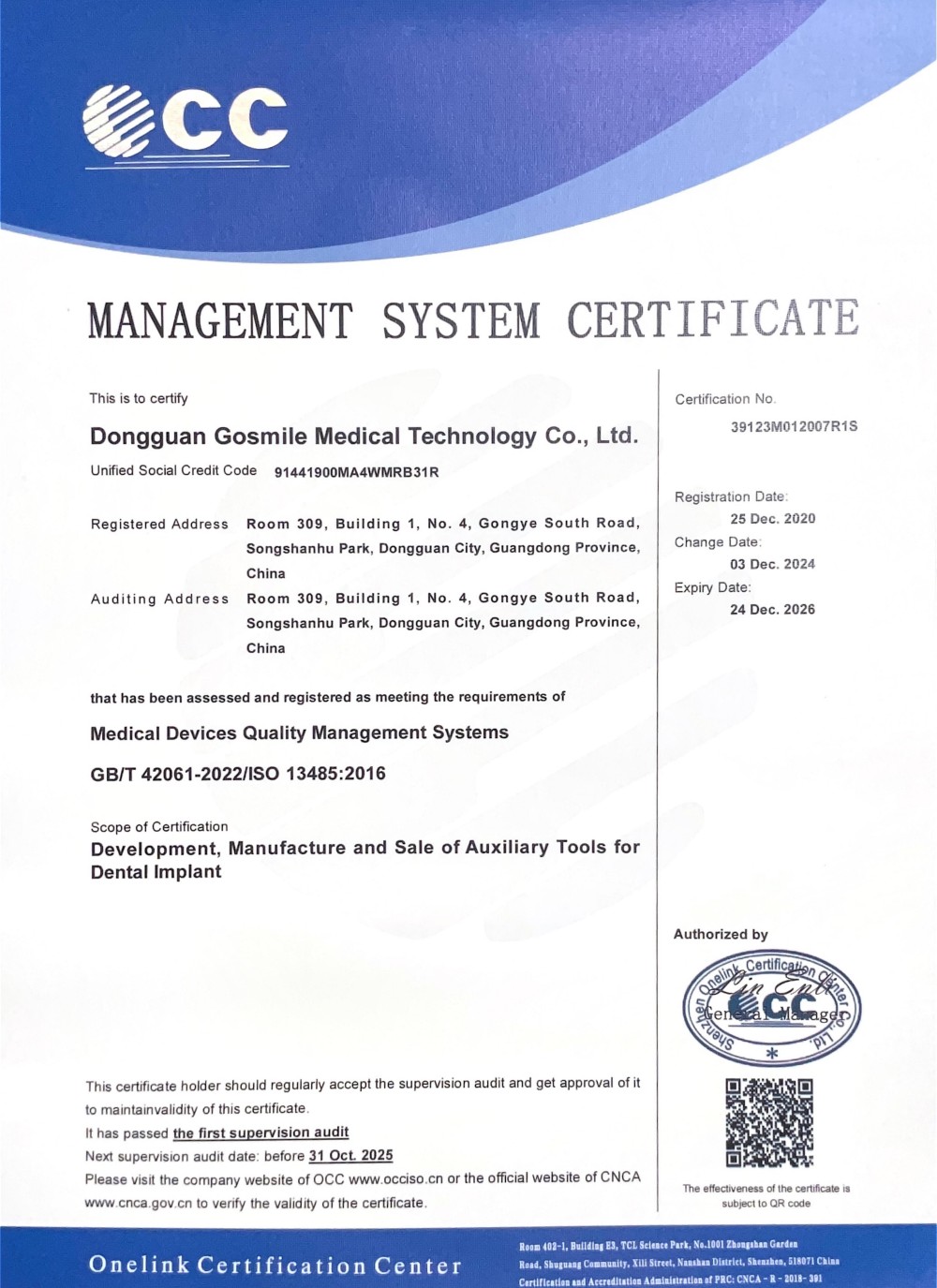
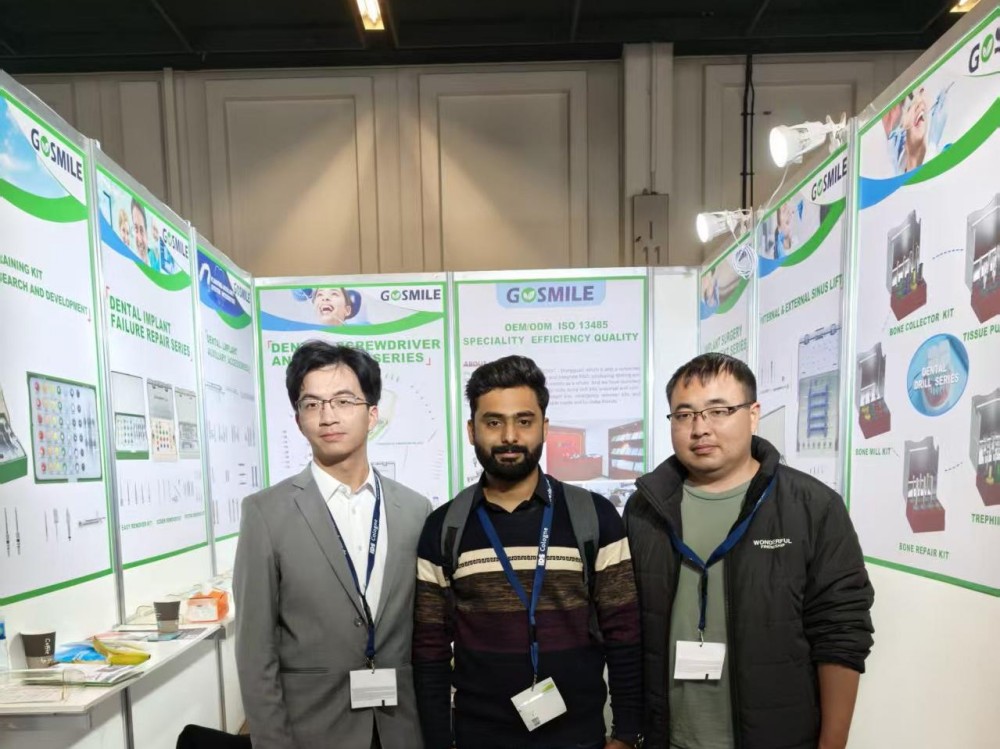
We actively showcase our technological innovations and connect with dental professionals at leading international medical and dental exhibitions.

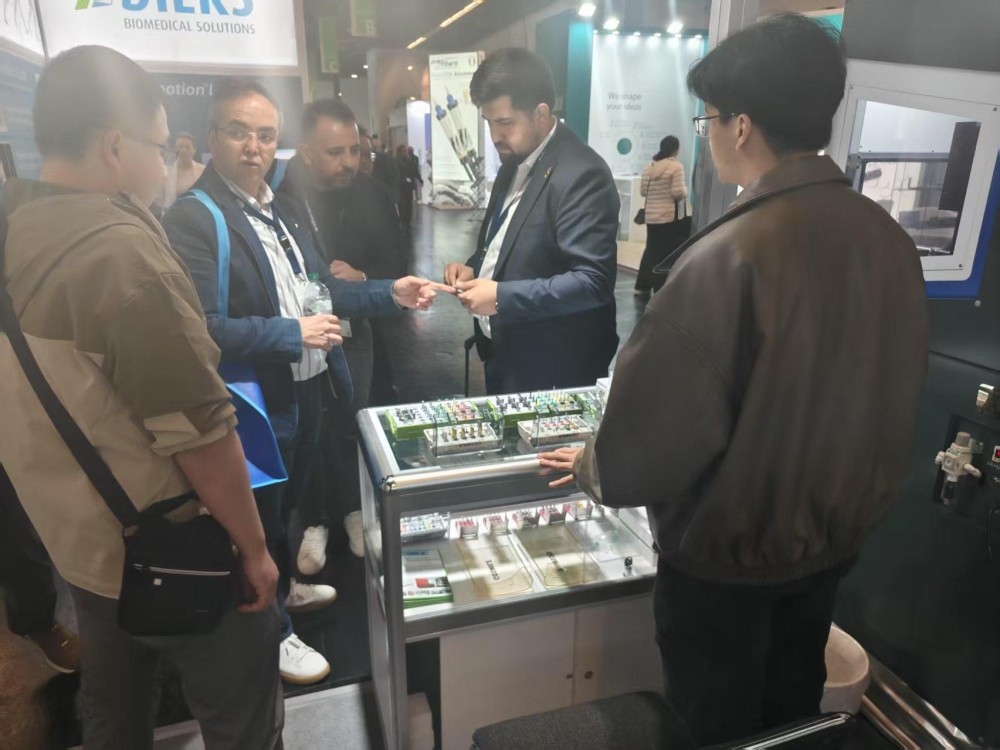
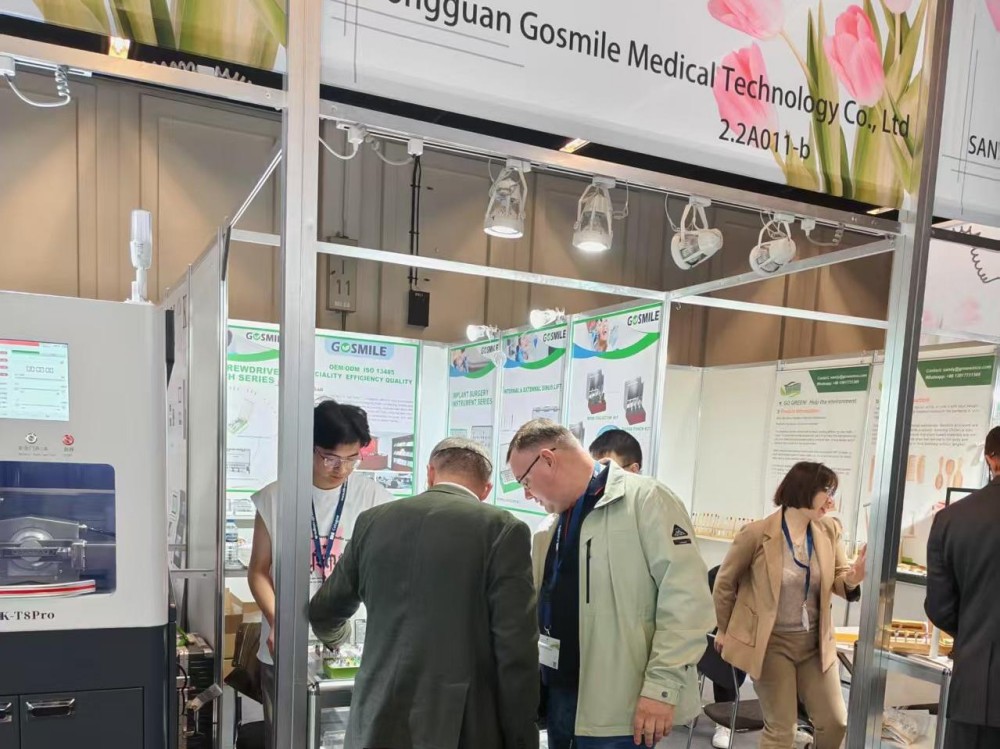
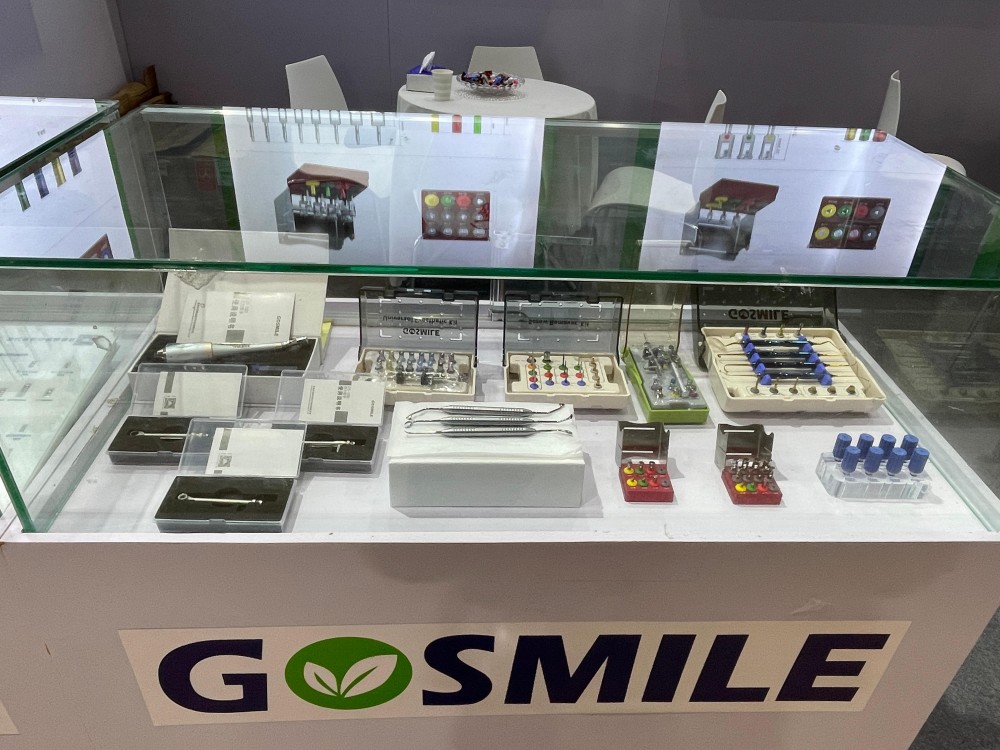
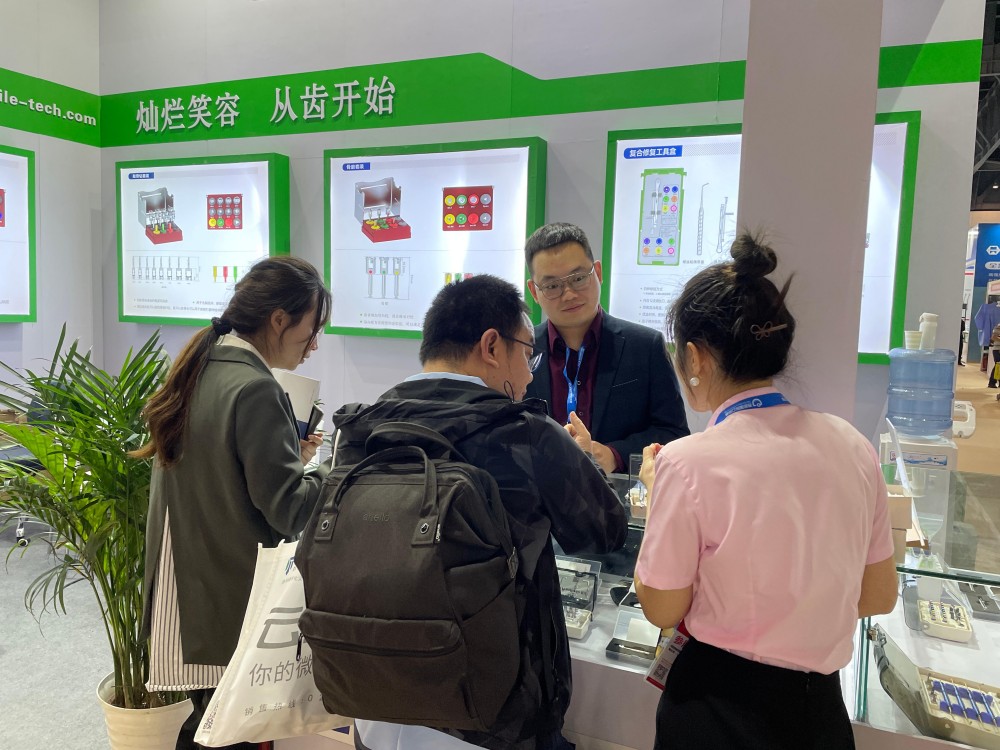
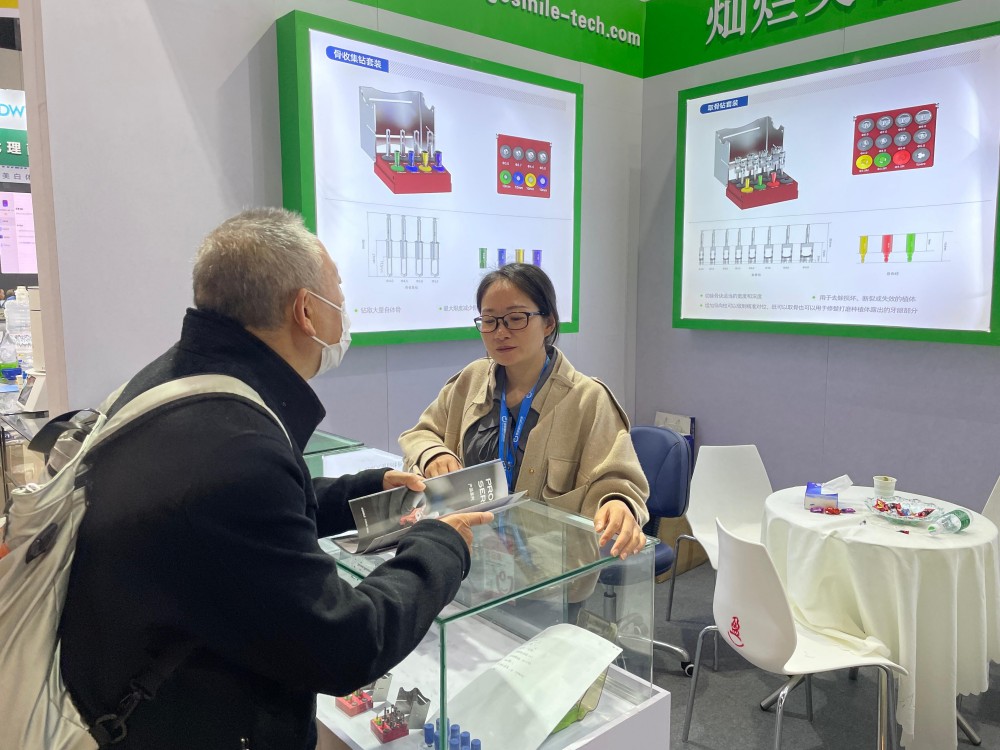
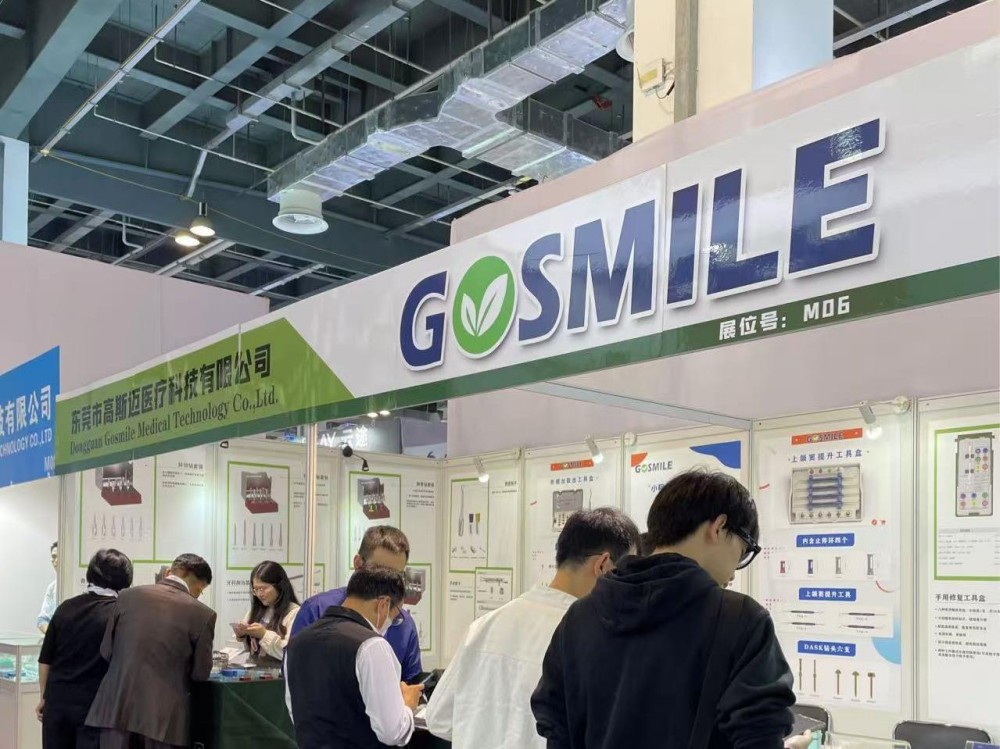
Explore our full range of implant drivers, torque wrenches, and prosthetic restoration components designed for clinical excellence.