
Leave Your Message
Explore our high-precision drivers engineered for flawless compatibility with industry-standard implant systems.
In modern restorative dentistry, the shift from conventional impression-taking to digital implant scanning has revolutionized clinical efficiency and patient comfort. Central to this technological paradigm shift is the abutment driver. As a critical mechanical interface, the abutment driver ensures that scanbodies, healing abutments, and final prosthetic components are tightened to the exact specifications required for high-accuracy digital impressions.
When executing an intraoral scan, any micro-movement or improper seating of the scanbody can introduce significant errors in the digital model. These digital discrepancies propagate through the design phase in the laboratory, leading to poorly fitting final restorations. By utilizing high-precision abutment drivers, clinicians and lab technicians ensure stable, coaxial positioning of scan components, eliminating distortion at the source.
The global dental implant market is experiencing rapid expansion, driven by an aging population and increasing demand for aesthetic dental restorations. Within this sector, the demand for high-quality prosthetic tools is skyrocketing. Historically, dental practices relied on proprietary, system-specific drivers supplied by major implant brands. However, the commercial landscape has evolved toward universal compatibility and open-architecture workflows.
Today, clinics and labs routinely manage multiple implant systems simultaneously. This has created a robust market for high-grade, third-party compatible drivers that offer the same—or superior—precision as OEM parts but at a more sustainable price point. Manufacturers now utilize medical-grade titanium alloys (such as Grade 5 ELI) and hardened stainless steels to ensure longevity, autoclave resistance, and defense against driver-head deformation.
A stripped abutment screw or a micro-tilted scanbody during scanning can result in a remade crown. In digital dentistry, accuracy is measured in microns. High-precision abutment drivers act as the insurance policy for CAD/CAM manufacturing, guaranteeing that the virtual implant position perfectly matches the physical reality in the patient's mouth.
From initial design to final inspection, we maintain the highest standards of manufacturing excellence.
 Consultation
 Development
 Production
 Inspection
 Sample
 Packaging
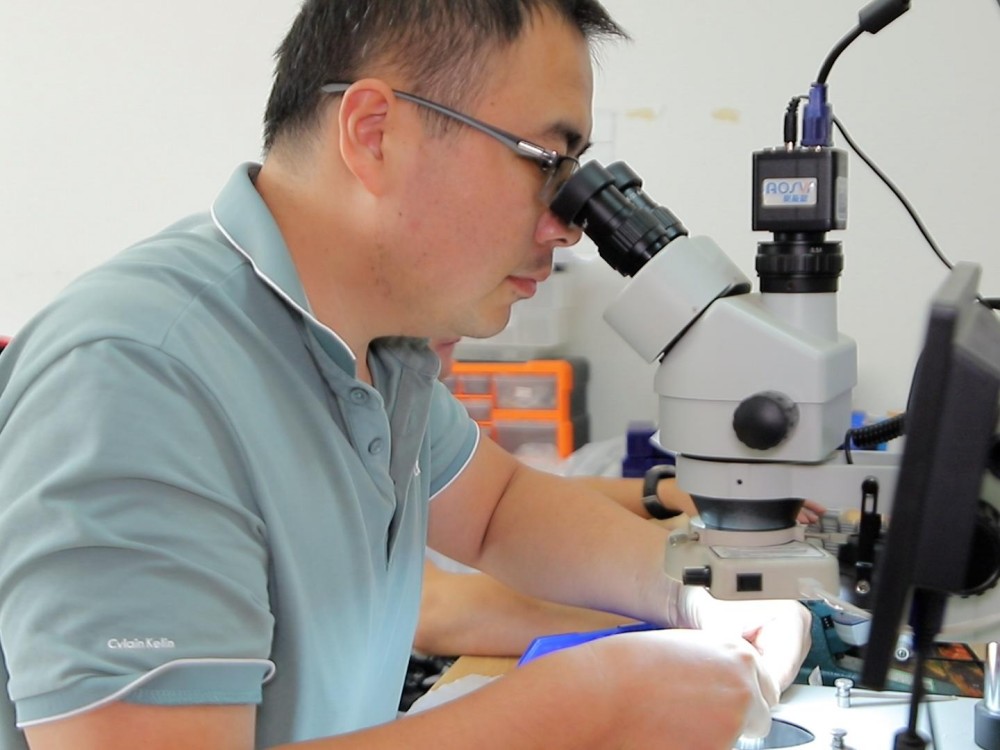
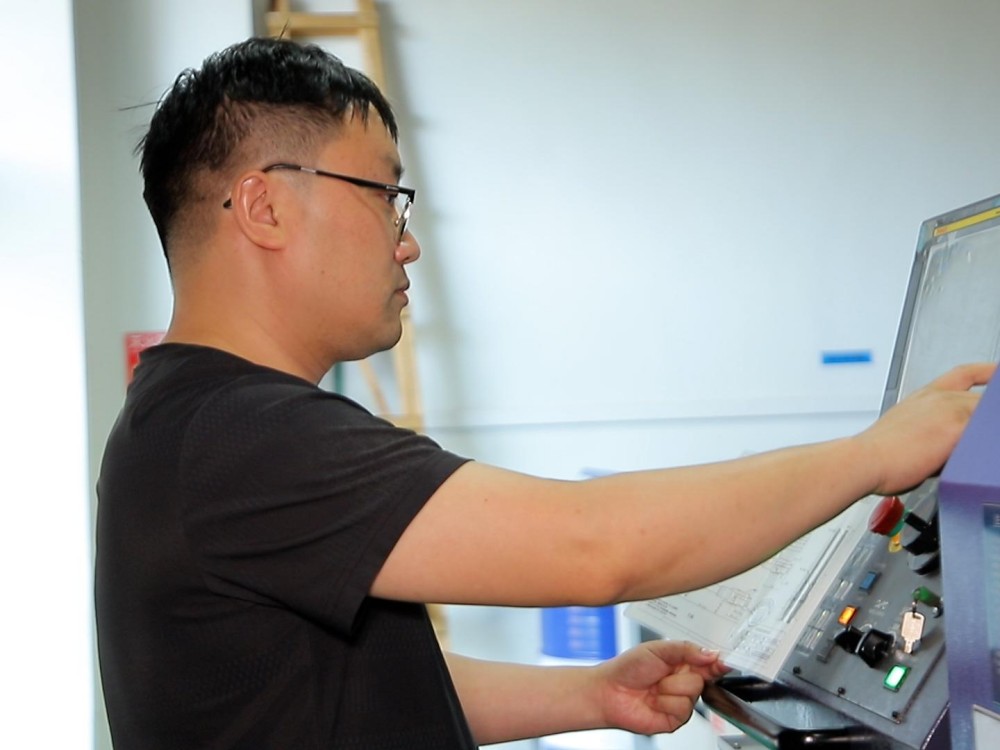
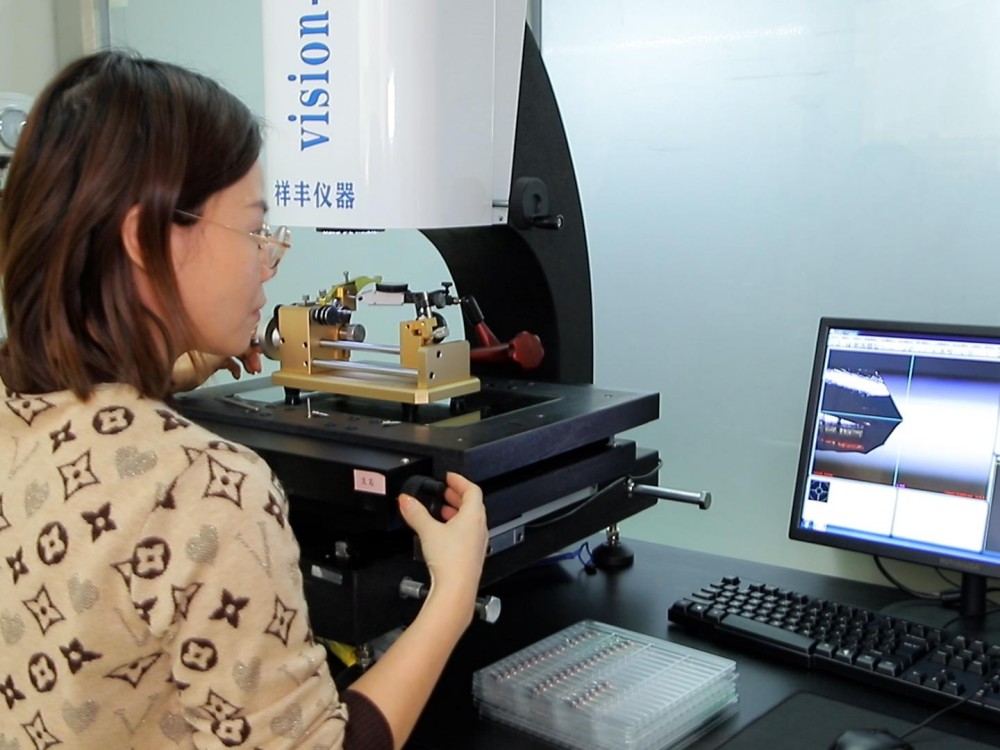
We implement a rigorous quality management system to ensure every batch undergoes thorough inspection and complies with international medical standards. Our state-of-the-art testing equipment verifies dimensional tolerances to the micron level, ensuring perfect driver-screw engagement.
Contact us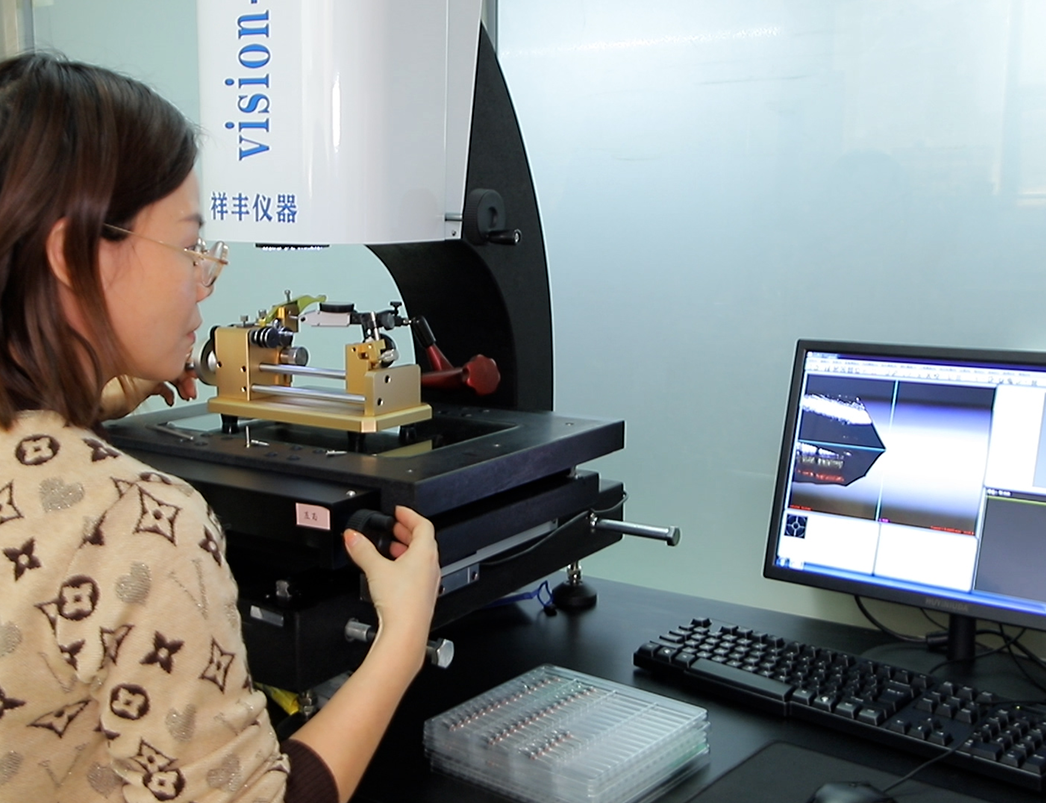


The digital workflow starts at the patient chairside with the placement of a scanbody (also known as a scan post or digital flag). The scanbody is a highly engineered geometric component designed to transfer the exact 3D position, angulation, and rotation of the implant fixture to the CAD software. Securely fastening the scanbody using a compatible abutment driver is critical. Here's why:
Once the digital impression is sent to the dental laboratory, the workflow branches into CAD design and model fabrication. If a physical model is 3D printed, lab technicians use implant analogs to replicate the implant's position in the model. Abutment drivers are utilized here to secure the analog to the model and to screw down temporary or final abutments during the build process.
Furthermore, in model-free workflows where the restoration is designed and milled purely digitally, precision-machined drivers are still required to assemble the final crown to the titanium base (Ti-Base) before clinical delivery. The longevity of the restoration depends heavily on the mechanical integrity of this screw-joint connection, which is achieved only through correct torque application using calibrated drivers.
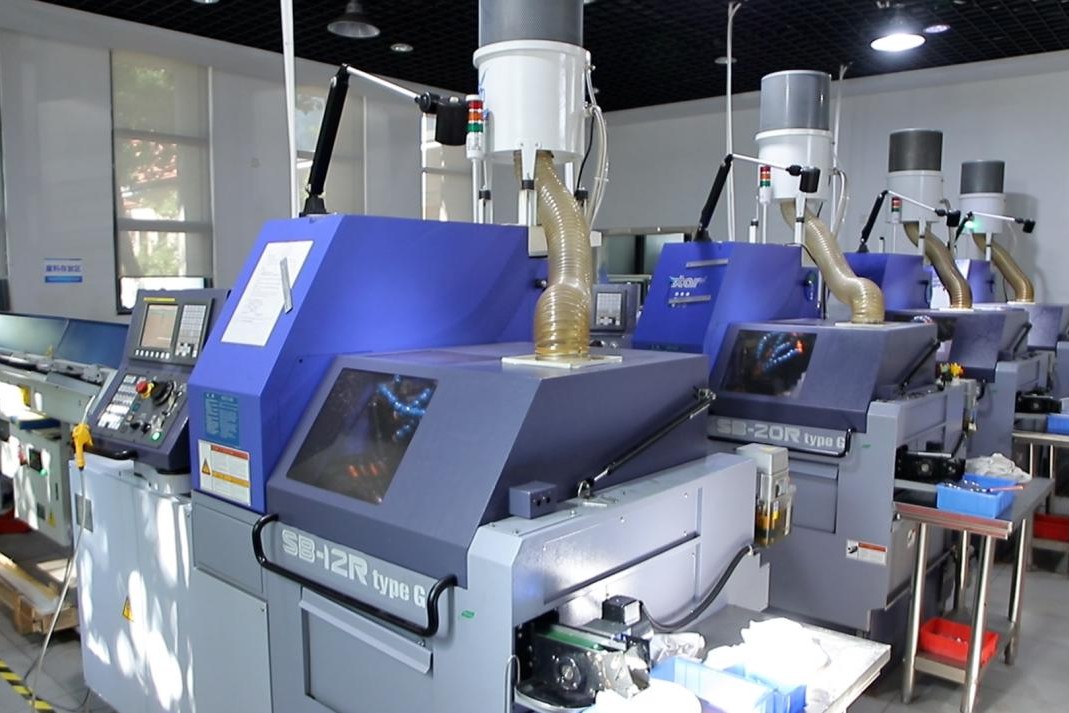
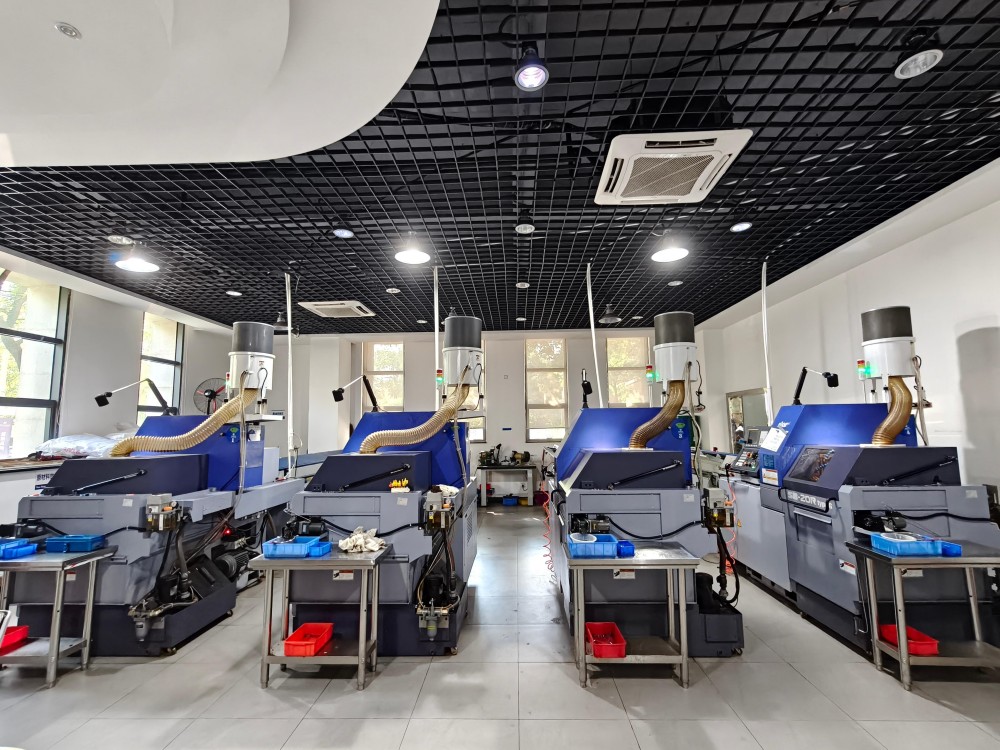
Dongguan Gosmile Medical Technology Co., Ltd. located in Dongguan, Guangdong, is a high-tech enterprise that integrates development, testing, production, packaging, and sales. Established in 2017, we hold management system certificates and multiple national invention patents. We are a trusted supplier to major domestic and international distributors, known for our uncompromising quality and stellar industry reputation.
Choosing a name for a company is one of the most important and challenging tasks for any entrepreneur, as it is believed to bring good fortune. Faced with a myriad of options, our CEO adheres to a simple yet profound principle: simplicity is key. "Gosmile" is more than sufficient.
Once, I witnessed a touching scene on the street: a boy was looking at a girl with pure joy in his eyes. However, the girl, feeling insecure about her teeth, kept her hand over her mouth, afraid to smile. She worried that her smile wouldn't be beautiful enough. This moment inspired me to venture into the dental industry. I wanted to bring smiles to people like this girl, to help them gain the confidence to laugh without hesitation.
Today, our mission remains clear: to provide reliable medical solutions and manufacture products that give patients the confidence to smile freely.


We combine advanced data insights, strategic partnerships, and customer feedback to deliver world-class dental components.
Data technology is inseparable from medical service. Based on market trends both domestically and internationally, as well as customer preferences, we offer customized products through OEM or ODM formats, leveraging data to create tailor-made solutions.
We collaborate with reputable suppliers and brand partners. These partnerships are crucial to our success. We provide them with high-quality products and services, and in return, they support and endorse our efforts.
We value customer feedback. We strive to uphold the positive evaluations from our clients, humbly accept any negative feedback, and commit ourselves to making continuous improvements.
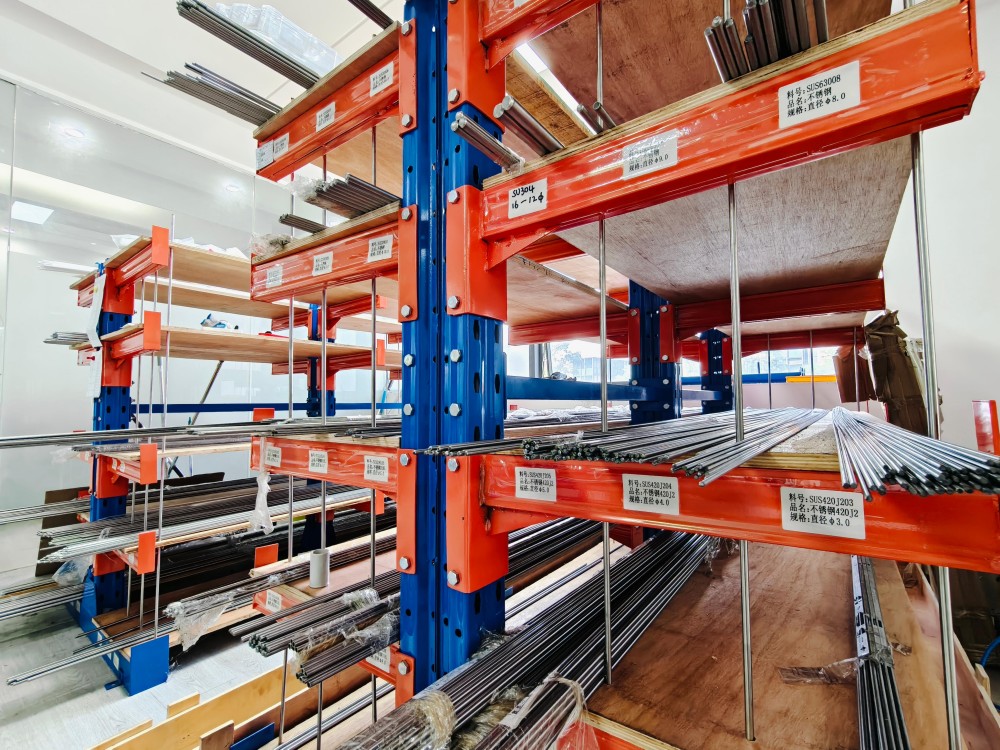
Every single component goes through a standardized, state-of-the-art 9-step production cycle.




The dental industry is moving swiftly toward smart technologies and enhanced ergonomics. The next generation of abutment drivers is not just about turning a screw; it is about intelligent torque management and advanced surface engineering.
Wear resistance is paramount for drivers subjected to repeated autoclaving and high torque loads. DLC coating provides an extremely low coefficient of friction and high hardness. This minimizes wear on the driver tip, preventing stripped screw heads and ensuring a longer operational lifespan.
Future implant workflows will incorporate smart, Bluetooth-enabled torque wrenches that transmit real-time torque data directly to the patient's digital chart. This ensures that the exact target torque (e.g., 30 Ncm for final abutments, 15 Ncm for scanbodies) is achieved and documented, reducing human error and legal liabilities.
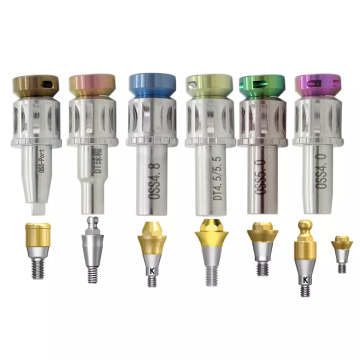
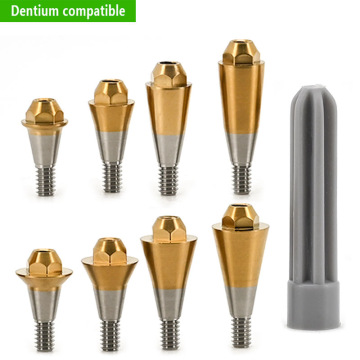
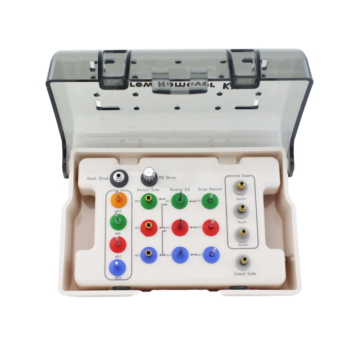
Instead of purchasing separate handpieces and drivers for every implant brand, clinics are opting for modular driver kits. These kits feature a universal handle with interchangeable tips compatible with Osstem, Dentium, Nobel Biocare, Straumann, and other major systems. This modularity reduces clutter in the operatory and cuts down on instrumentation costs.
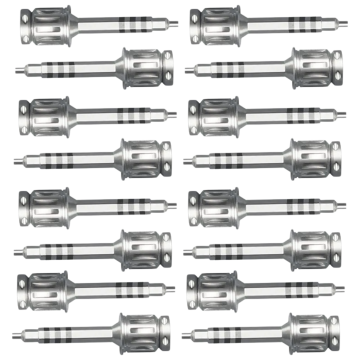
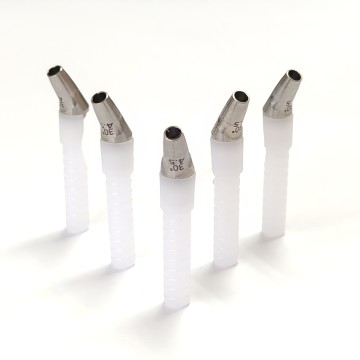
When selecting drivers for your clinic or laboratory, compatibility is key. Using a driver that is "almost" a fit will cause micro-deformations on the screw head, making future retrieval difficult. Clinicians must verify the exact tip geometry (Hex, Torx, Slot, or proprietary shapes) and length (short, medium, long) required for the specific clinical scenario. Long drivers are essential for reaching past adjacent teeth in the anterior zone, while short drivers are critical in the posterior zone where jaw opening is limited.
Explore our full catalog of compatible dental implant drivers, torque wrenches, and prosthetic solutions.
 +86 15717249033